


We’ve come up with some ideas to get your child moving, thinking, and talking this Christmas and beyond.
For each of these ideas, an occupational therapist, physiotherapist, and/or speech and language therapist has given their thoughts on why they can help your child. Each idea has the bonus of keeping them entertained (without a screen!).
Safety first
Check that toys you’ve bought have the UKCA and/or CE mark, which shows that a toy meets British or European Economic Area (EEA) safety standards. This may be on the packaging or a label instead of the toy itself.
Even if the toy has one of these marks, this isn’t a guarantee that it’s genuine or safe. Warning signs that a toy hasn’t been made by a trusted manufacturer can include:
a lack of packaging, instructions, or warnings (especially for items that look like food or could be a choking hazard)
poor spelling or phrasing on packaging or instructions
the supplier’s address isn’t in the UK (while many toys are made in other countries, they should be linked back to a business based in the UK if they’re being sold here)
a strong or unusual smell
pricing that is “too good to be true”
If a toy is damaged, it can become a hazard because of small parts coming off or dangerous parts like batteries becoming easy to access. Always check the condition of a toy before letting your child play with it.
Once you’re sure a toy is genuine and in good condition, read the manufacturer’s recommendations about age suitability and for warnings about hazards, such as small parts.
Cause and effect toys
A lot of cause and effect toys require children to press buttons, turn levers and post balls, which are all great for developing fine motor skills.
For younger children: Pop-up toys, button-activated toys, ball drop toys, shape sorter, musical books, busy boards, wind-up bath toys, light-up toys
For older children: marble/domino runs, science or electrical circuit kits, transforming mechanical action figures, remote control cars
“My go-to cause/effect toys for children under 3 is the piggy coin sorter and a push-and-play spinning top!”
“Cause and effect toys are such a brilliant way to model simple language due to their repetitive nature. They help to support the understanding of early language concepts such as ‘go/stop’, ‘open/shut’, ‘on/off’, more/finished’, etc. They can be incredibly engaging and facilitate some lovely opportunities for interaction and shared enjoyment.”
Steady-hand games and activities
Steady-hand games are activities that encourage children to carefully control their hand and finger movements while having fun.
For younger children: threading beads, large flashcards, shape sorters, posting activity cubes, stacking games, balancing games, wooden fishing rod games
For older children: 3D gravity mazes or action board games (for example, Operation, Buckaroo!, KerPlunk, Screwball Scramble, or Bed Bugs), Hama beads, jewellery/bracelet making, children’s sewing activities, pick-up sticks
Our therapists think:
Steady-hand games are a fun way to build important skills. They help children develop hand strength, coordination, and concentration, while also encouraging turn-taking, listening, and communication. These skills support everyday activities, such as getting dressed, eating, handwriting, and playing with others.
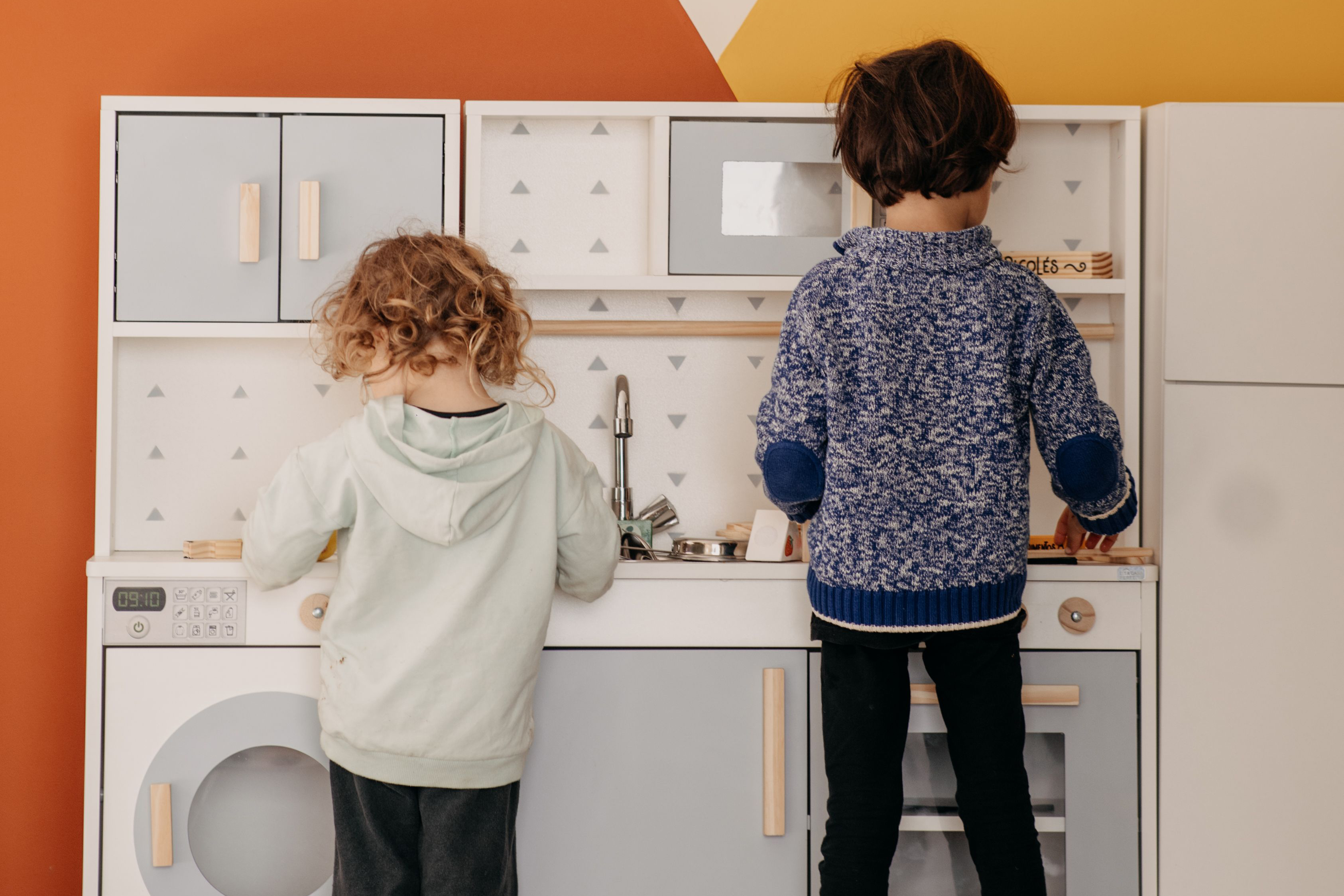
Construction and role-play
Through building, creating and pretending, children are developing skills that support learning, play and everyday life.
For younger children: chunky building blocks, stacking cups, magnetic tiles, diggers with sand/blocks, small world play, farm sets, puppets, costume and dress-up play items, play kitchen / doctor’s kit / shop
For older children: dolls house, playing vets / hairdressers / teachers, construction and engineering kits, simple robotics kits, mechanical 3D model kits
“When an adult joins in role-play, they can comment on what a child is doing and experiencing using words and phrases. Role-play also encourages interaction between children and they learn words and skills from one another too. In these ways, role-play toys encourage communication, vocabulary development, conversation skills and storytelling. Role-play also supports understanding of emotions, social situations, turn-taking, and problem-solving in everyday contexts. Role-play allows a child to learn and use words which they would not come across as part of their typical daily routine.”
Our occupational therapists think:
Construction toys and role-play games are much more than just fun activities. Building toys can help children develop fine motor skills (using the small muscles in their hands and fingers), hand strength, bilateral coordination (using both hands together), and motor planning (working out how to move their body to complete a task). These are all important skills for everyday activities like getting dressed, using school equipment and developing handwriting.
Role-play activities, such as playing shops, schools, or superheroes, can help children learn how to plan, organise, and sequence tasks (working out what comes first, next, and last).
Advent calendars
Instead of chocolate, think about getting an advent calendar that gives a new piece of a construction set each day. Waiting to reveal the next piece can help with developing patience. If this type of advent calendar is out of your price range right now, consider a DIY approach, or snap one up for next year when they go into the clearance sales.
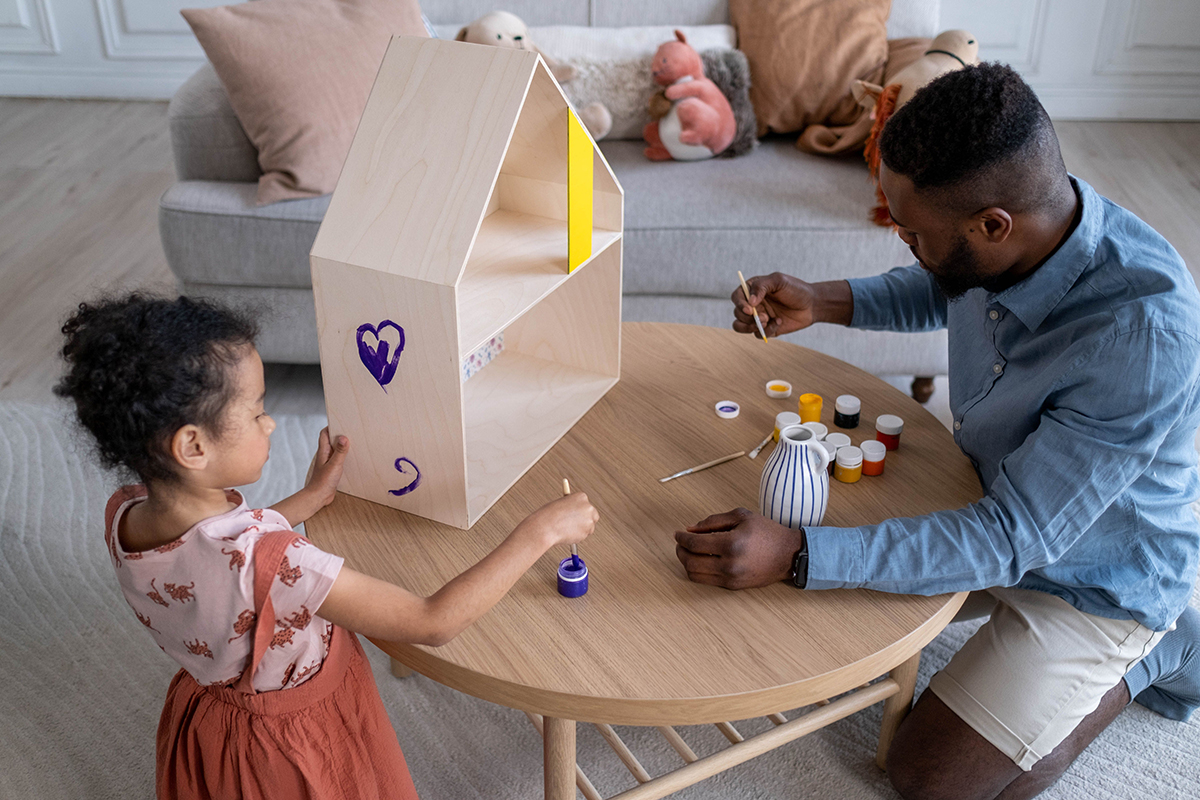
Arts and crafts
Arts and crafts activities, such as finger painting, colouring and cutting with scissors, are a great way to build important skills. They help children develop hand strength, coordination and control, while also encouraging both hands to work together. These skills support everyday activities like getting dressed, using cutlery, and developing handwriting.
For younger children: water-based non-toxic paints, chunky crayons, drawing mat, colour-in cardboard structures, stickers, playdough or TheraPutty, cutting with safety scissors, stamps.
For older children: DIY craft kits (ceramics, textiles, beading, etc.), slime or sand art kits, materials for drawing and colouring, sewing kits, origami, card making air dry clay, scrapbooks
“Try rolling TheraPutty out and making it into animals. TheraCrew have playdough handouts that work well to visually copy from.”
Our physiotherapists think:
Creative activities are a great way for children to build physical skills while having fun. Whether they're painting, sticking, colouring or crafting, children are practising sitting, reaching, using their muscles and building the stamina they need for everyday activities and learning.
Boredom is normal and healthy
It can be tempting to make sure your child is always busy, but this doesn’t give them the space needed for imaginative play and creativity. Being bored can also help with developing independence. Instead of giving them the solution when they whine that they’re bored, ask them what they think they could do. Don’t give them the answer – encourage them to come up with it. It will help them develop confidence if you show that you believe they can think of something without help. If this doesn’t work, you can invite them to help with whatever you’re doing, like folding laundry or cooking dishes, and have a conversation. Sometimes they might just be looking for interaction.
Balance and strength
Active play is one of the best ways for children to build strength and coordination. Whether they're balancing, climbing or jumping, they're developing important skills that support everyday activities like sitting comfortably, joining in at school and developing handwriting.
For younger children: balance bike/trike, balance board, animal walks on the floor, skipping rope, stepping stones, ride on toys, soft play, climbing and obstacle courses, push and pull toys.
For older children: bicycle (without stabilisers), slackline (balance rope) kit, Twister, scooters, yoga cards, ball activities, obstacle courses, dance and movement games.
Our occupational therapists think:
Adding movement into everyday routines is a great way to build strength and coordination through play. Try walking like different animals, balancing along a line on the pavement, helping carry shopping bags, or creating a simple obstacle course at home.
Our speech and language therapists think:
Play is one of the best ways for children to develop communication skills. Activities like these encourage children to listen, learn new action words, follow directions, and interact with family and friends in a fun and meaningful way.
Tackling screen time
Children’s brains are going through very important stages of development and lots of screen time can affect their ability to concentrate. Children copy the adults around them, so if you spend lots of time looking at your devices, they will too. Model the behaviour you expect and don’t get distracted by your screens when you’re in their company.
Festive activities
Festive activities don't need to be complicated or expensive to be meaningful. Simple seasonal games, crafts and traditions can provide opportunities for children to explore, create, move and learn, all while enjoying time together.
For younger children: go and see Christmas lights, decorating baubles, paper chains, card making, fake snow/festive playdough, Christmas songs, festive treasure hunt around the house, pin the nose on Rudolph, decorating biscuits
For older children: ice skating, baking, sewing decorations, creating festive posters, making cards/gifts, festive scavenger hunt, design a sleigh, board games
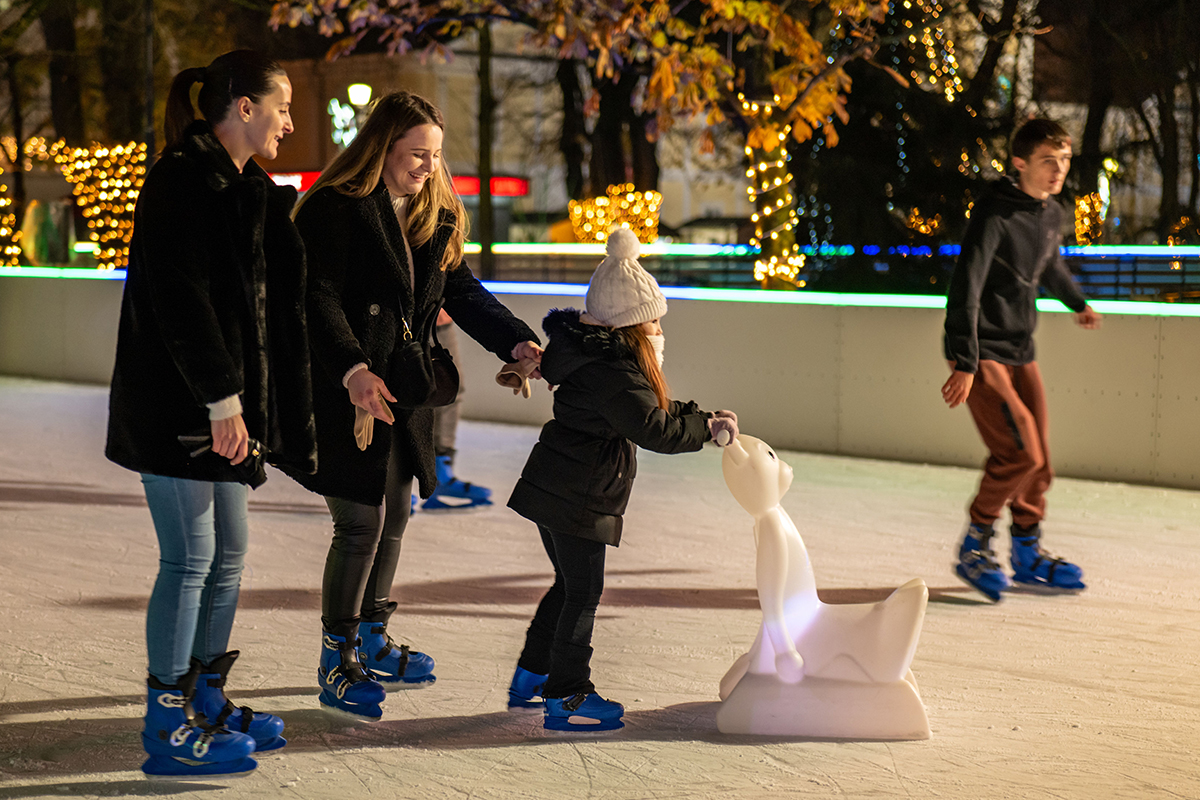
“Doing things together is a great way to get a conversation going with your child. Model and repeat new vocabulary and talk about what you are doing. For older children, incorporate connective words like ‘although’, ‘before’, ‘until’ to demonstrate different ways to link ideas together. Craft activities and baking provide a great opportunity for your child to practice listening to instructions.”
Further information
We post tips about a variety of related health topics on our TikTok channel.
Related services
Occupational Therapy Service for children and young people
Help for children and young people up to the age of 19 who have difficulties doing everyday activities, such as dressing and feeding.
Occupational Therapy Service for children and young people: Go to servicePhysiotherapy Service for children and young people
Help for children and young people up to the age of 19 who have difficulties with gross motor skills, including posture and mobility.
Physiotherapy Service for children and young people: Go to serviceSpeech and Language Therapy Service for children and young people
Help for children and young people up to the age of 19 whose communication and/or swallowing difficulties impact on everyday life.
Speech and Language Therapy Service for children and young people: Go to service