
Are you a carer?

If you look after someone who couldn’t manage without your help, you’re a carer. Many people help family or community members without realising they’re unpaid carers. It often feels like a natural part of the relationship. You might be helping with their daily life because of illness, disability, mental health needs, or addiction. You don’t need to live with them or be related. With the patient’s consent, we can add your details to their records to help communication. Ask our teams about adding you as a main carer to patient records or completing our e-health passport which includes a Carer Passport. 

Ask us how you can get help

Support may come from the NHS, your local council, or voluntary organisations. Our Friends, Family and Carer Handbook also explains your rights and any benefits you may be entitled to.

Share your expert insights about the person you care for

Tell us about how you support the person you care for and whether you have any specific concerns. We’ll listen to you and use this information to improve the care we provide. 

Looking after yourself

Looking after yourself is just as important as caring for someone else. Let your GP know you're a carer, ask for support when needed, and take care of your health, eat well, stay active, and get enough rest. Prioritising your wellbeing can ease stress and help you stay strong in your caring role.

Our Carer Handbook

Download and read our handbook to understand confidentiality, information sharing and what support is available to you.

View handbook

Find carers support in Berkshire

Download the Berkshire Map to access contact details for local services that can support you.

Download

How we guide and support carers

Find useful resources and learn how local authority and voluntary sector organisations can support you.

Learn more

FAQs and useful documents

Our FAQs are a great place to start, with helpful tips and answers. You’ll also find a range of useful documents.

Learn more

How we inform and involve carers

We’re committed to supporting friends, family, and carers, and we’ve outlined our approach in the Carers Charter to help build a carer-friendly culture.

We’ll ask patients and service users whether they have a carer and how they’d like that person to be involved. If someone identifies you as their ‘Main Carer’, we can add your details to their patient record to support better communication.

We aim to try involve carers as much as possible in planning and delivering care, ensuring your insights and support are valued throughout.

We’ll aim to provide you with clear, accurate and relevant information and keep you informed throughout the care pathway. If, for legal reasons, we can’t share information, we’ll explain why. 

Carers charter

pdf
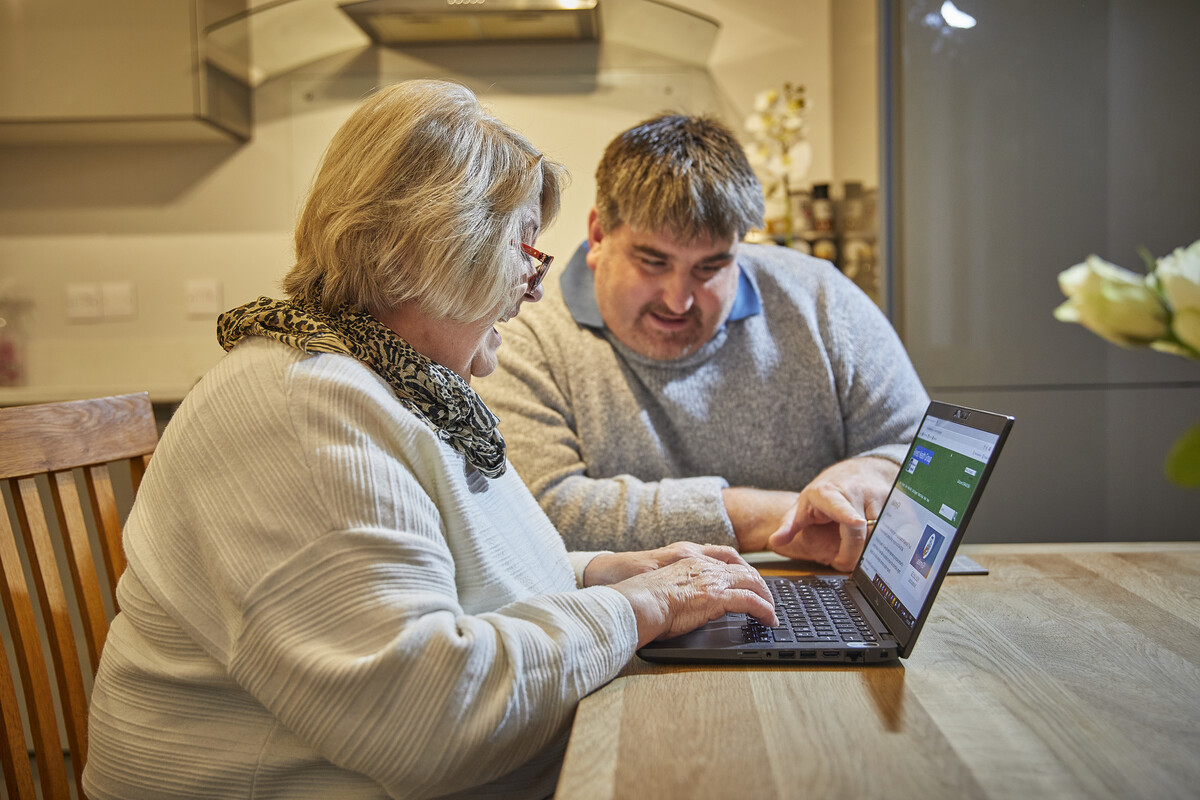
Carer and older woman looking at laptop

Supporting people accessing mental health services

Whilst we promote a culture of working in partnership with carers, each service may provide different support, information and signposting services.

Watch our short video, which explains how we involve carers within our mental health services.

" "

How to access support

Depending on where you live and who you support, you might need to access help or information from the NHS, the local authority or voluntary sector organisations. We’ll try to connect or signpost you to people who can help.

Find carer support

Concerns about safety panel

Our new concerns about safety panel is an opportunity for carers to raise their worries or concerns about the patient’s care and/or treatment, specifically related to safety.

If you’ve got concerns about the person you are caring for and you’ve raised these with the ward or relevant service, but you don’t feel you are being heard or understood, you can self-refer to our concerns about safety panel.

Read our leaflet which sets out the referral criteria and the escalation process.

Friends, family and carer - concerns about safety

pdf

Triangle of care

We aim to promote a three-way relationship between the person using our services, their family/carers and our staff. We call this partnership approach the ‘Triangle of Care’. This partnership approach promotes safety, supports recovery and sustains wellbeing.

The Carers Trust operates an accreditation system to recognise Trusts who show their commitment to working in partnership with services users, friends, family and carers. Our strategy and charter align to these principles and we’ve been awarded two-star status.

Triangle of care

Get in touch

Help improve our service

You can share your views and experiences by completing our Friends, Family and Carers Feedback form, taking part in forums, interview panels, and talking to our teams as part of our learning programmes.

Open feedback form

Martha's Rule

If you're concerned about a deterioration in someone's physical or mental health, whether you're a patient, family member, or carer. You have the right to speak up and request urgent help.

Learn more

Patient Advice and Liaison Service

PALS is an informal service you can contact to share your suggestions or concerns to help us improve.

Visit our service