
Lived Experience

Lived experience refers to personal, first-hand experience.

Learn more: Learn more

Lived Experience Advisory Panels

Groups of people from different backgrounds who share their views and ideas.

Learn more: Learn more

Peer Support

People who have experienced mental health challenges themselves and use this to help others.

Learn more: Learn more

Lived Experience

Lived experience refers to personal, first-hand experience of a particular health condition or life situation. This may include experiences of mental health conditions such as anxiety, depression, or bipolar disorder, as well as physical health conditions like multiple sclerosis or epilepsy.

Lived experience can include:

  • Living with a health condition or supporting someone who does
  • Receiving care, treatment, or support from health services
  • Managing the impact of a condition on daily life, relationships, education, or work

By recognising and valuing lived experience, healthcare services can better understand what truly matters to people and improve the care they provide.

Why is lived experience important?

People with lived experience often understand things that professionals may not always see. Their insights help improve mental health services, make care more compassionate, and support others who are going through similar experiences.

Talking therapies

Lived Experience Advisory Panels

We listen by working closely with people who have experience through our Lived Experience Advisory Panels (LEAPs). These are groups of people from different backgrounds who share their views and ideas. They help us make our services better, fairer, and easier to use.

Why your experience matters

Your experiences help us to:
•    Design services that meet real needs
•    Make services easier to access for everyone
•    Provide care that focuses on recovery and what matters to you
•    Create a culture of kindness, respect, and working together

How can you get involved?

There are many ways to get involved, and you can contribute in a way that feels right for you. These include:

  • Filling in surveys or questionnaires
  • Joining online meetings or workshops
  • Coming to Lived Experience Advisory Panel (LEAP) meetings
  • Sharing your story with our teams in a way that feels safe and comfortable for you

We can support you to take part. This includes help with translation, interpreters, and access to the internet. You may also be able to receive payment for your time and get travel or other expenses paid.

Join our lived experience community

Whether you want to share feedback, join a panel, or simply learn more, we welcome your involvement.

LEAPS Information Sheet

pdf
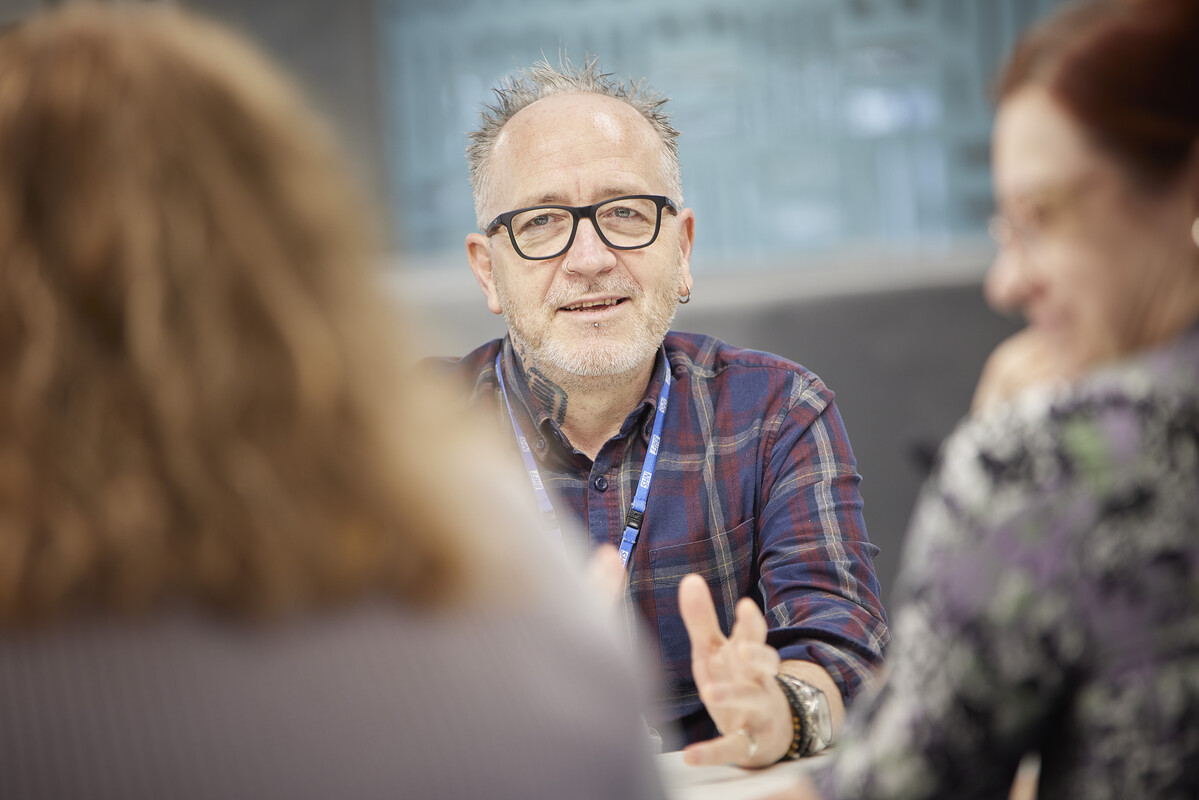
Staff member talking to two others
“I found the support I received helpful. I've been going to therapy for over 20 years, and this is the first person who has listened to everything I've said and understood, as they are on the same wavelength.”
Patient A

Peer Support

This is the term for people who have experienced mental health challenges themselves and use this insight to offer understanding, encouragement and hope to others.

This includes Peer Support Workers, Lived Experience Practitioners and other roles such as mentors.

As fully included members of the clinical team, they bring a new perspective that is shaped by real experience.

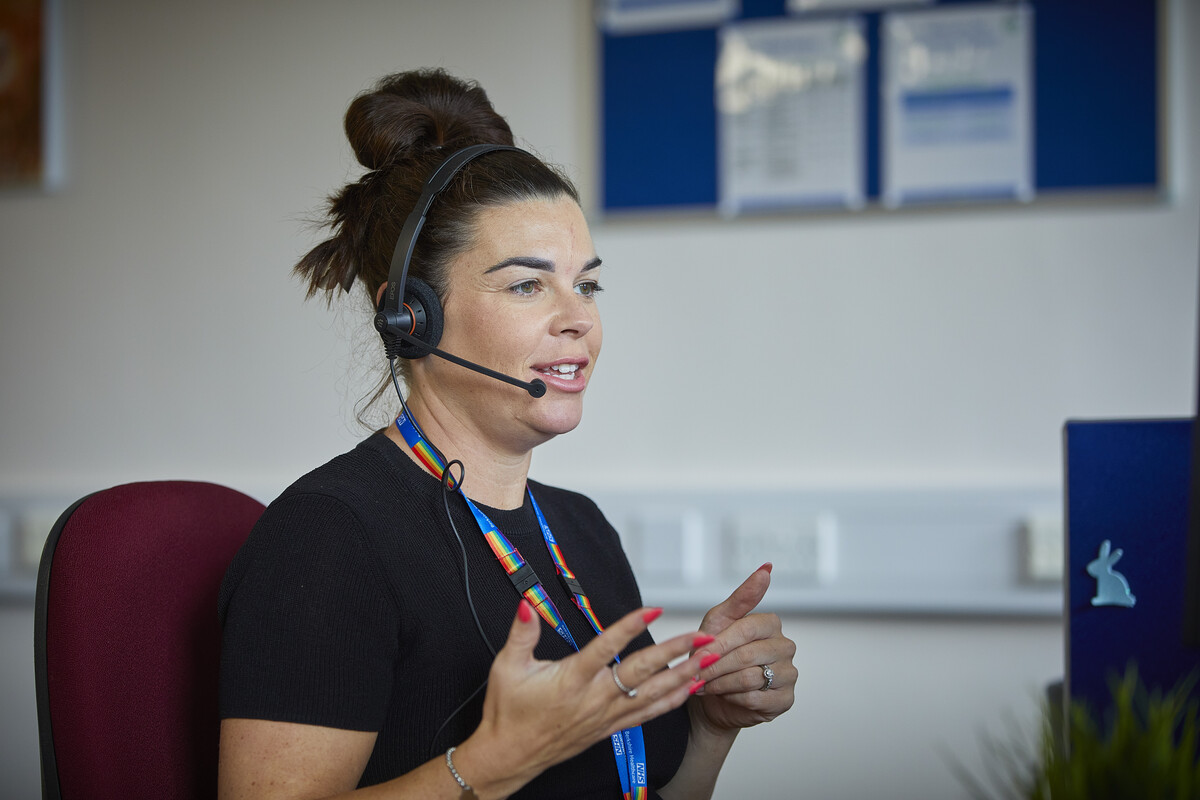
Female member in Headset on computer in Talking Therapy
“[My peer support worker] experienced similar things to what I have been and ‘made it out alive’. This has inspired me to want to help others and myself. The approach to my care was different to my previous experiences in a good way – I didn't expect people to actually care.”
Patient C

Frequently asked questions

What is peer support?

Peer Support is provided by people who have their own lived experience of mental health challenges and recovery. They use this experience to offer understanding, encouragement and hope.

How do I get support? 

Many of our services now offer peer support. If you'd like to find out more, please speak to the team supporting you and ask whether they have a Lived Experience Practitioner or Peer Support Worker.

What happens at an appointment?

An appointment is a safe, informal space where you can talk with someone who has their own lived experience of mental health challenges and recovery. Every appointment is different because it is shaped around what you need, but it may include:

  • Listening and understanding
  • Sharing lived experience
  • Talking about what matters to you
  • Exploring ideas for staying well
  • Planning next steps
Is peer support confidential?

Yes. Peer Support Workers follow the same confidentiality rules as the rest of the team. Information is only shared if there is a concern about safety.

Do Peer Support Workers have training?

Yes. Peer Support Workers receive professional training and ongoing supervision to support them in their role.

“I have been coming to therapy for many years and the interaction I had was with an understanding very few people in my life have achieved.”
Patient C

Our stories

Read about the experiences of staff who work in a lived experience role.

Missing profile image

Sarah, Mental Health Integrated Care Service (MHICS)

I hit the wall with career burnout, resulting in a terrifying mental health crisis. After a slow slog of self-recovery, I wanted to focus my professional energy on the wide and often murky world of mental health and recovery.

Sarah, Mental Health Integrated Care Service (MHICS): Read more
Missing profile image

Marc, Liaison and Diversion Service

A typical day for me can involve client work such as phone calls, video calls, face to face meetings, a walk in the park, a drink in a coffee shop, training supervision and attending meetings.

Marc, Liaison and Diversion Service: Read more
Missing profile image

Jennie, Intensive Management of Personality Disorder and Clinical Therapies Team (IMPACTT)

Having permission to use our lived experience is a privilege – there are give and takes each day, and I learn from all my encounters with colleagues and clients.

Jennie, Intensive Management of Personality Disorder and Clinical Therapies Team (IMPACTT): Read more
Missing profile image

Molly, Service User Network (SUN)

I know that I wanted to be a part of mental health services and try to support other people who are struggling.

Molly, Service User Network (SUN): Read more
Three members of staff smiling and looking at tablet

Join us

Join a compassionate team dedicated to making a real difference in patients’ lives. Whether you're clinical or support staff, your skills matter and so does your passion.

Work with us