

About the condition
Whiplash is a common injury to the neck that can happen after a road traffic accident, fall, or sports injury. It occurs when the head is suddenly forced forwards, backwards, or sideways, stretching the soft tissues of the neck.
This can cause a range of symptoms that may appear immediately or develop over a few days.
Signs and symptoms
These symptoms are usually temporary and improve with simple self‑care.
- Neck or shoulder pain.
- Stiffness or reduced movement.
- Headaches, often starting at the base of the skull.
- Upper back or arm discomfort.
- Pins and needles or mild numbness in the arms or hands.
- General tiredness or difficulty concentrating.
Red flag symptoms
Seek urgent medical help by contacting NHS 111, going to A&E, or making an emergency GP appointment if you have:
difficulty walking or coordinating movement
loss of feeling or weakness in your arms or legs
sudden or worsening severe headaches
severe or worsening symptoms that do not respond to simple measures
What to do if you have whiplash
- Painkillers can help reduce discomfort so you can stay active. Speak to your GP or pharmacist to find the most suitable option for you.
- You may return to driving when you can turn your head and look over both shoulders comfortably and safely, and you can control the vehicle without hesitation. On longer journeys take regular breaks, move around, and gently stretch your neck and shoulders.
- Stay at work if possible. Normal activity helps recovery. Keep moving, change position often, and avoid staying still for long periods.
- Modify activities such as housework or gardening if needed. Aim to return to normal activities gradually, even if there is mild discomfort.
- Use gentle heat (e.g., heat pad or warm wheat bag) over the sore area for short periods, unless you have reduced or altered sensation in the skin.
- Try relaxation techniques, such as mindfulness or breathing apps, gentle walking, listening to calming music. relaxation can help reduce muscle tension and improve pain.
Exercises
Complete these gentle exercises little and often to help reduce stiffness and other symptoms. They may be uncomfortable, but they should not significantly increase your symptoms.
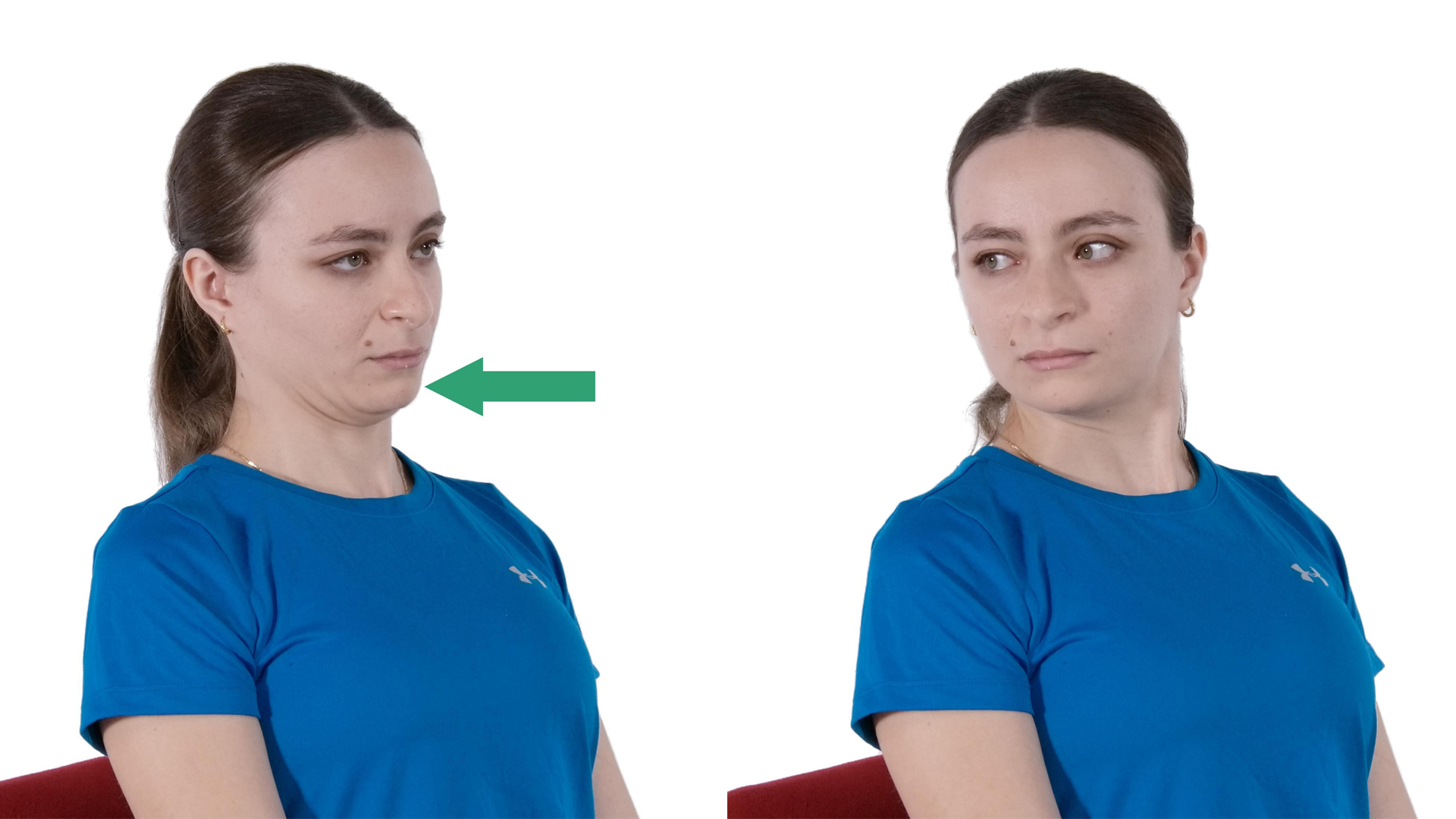
1. Neck rotation
Repetitions: 10-20
Frequency: 2-3 times daily
Stand or sit tall and gently draw your chin straight back (keeping your eyes looking forward).
Slowly turn your head as far as comfortable while keeping your chin tucked in.
Return to the middle and repeat.
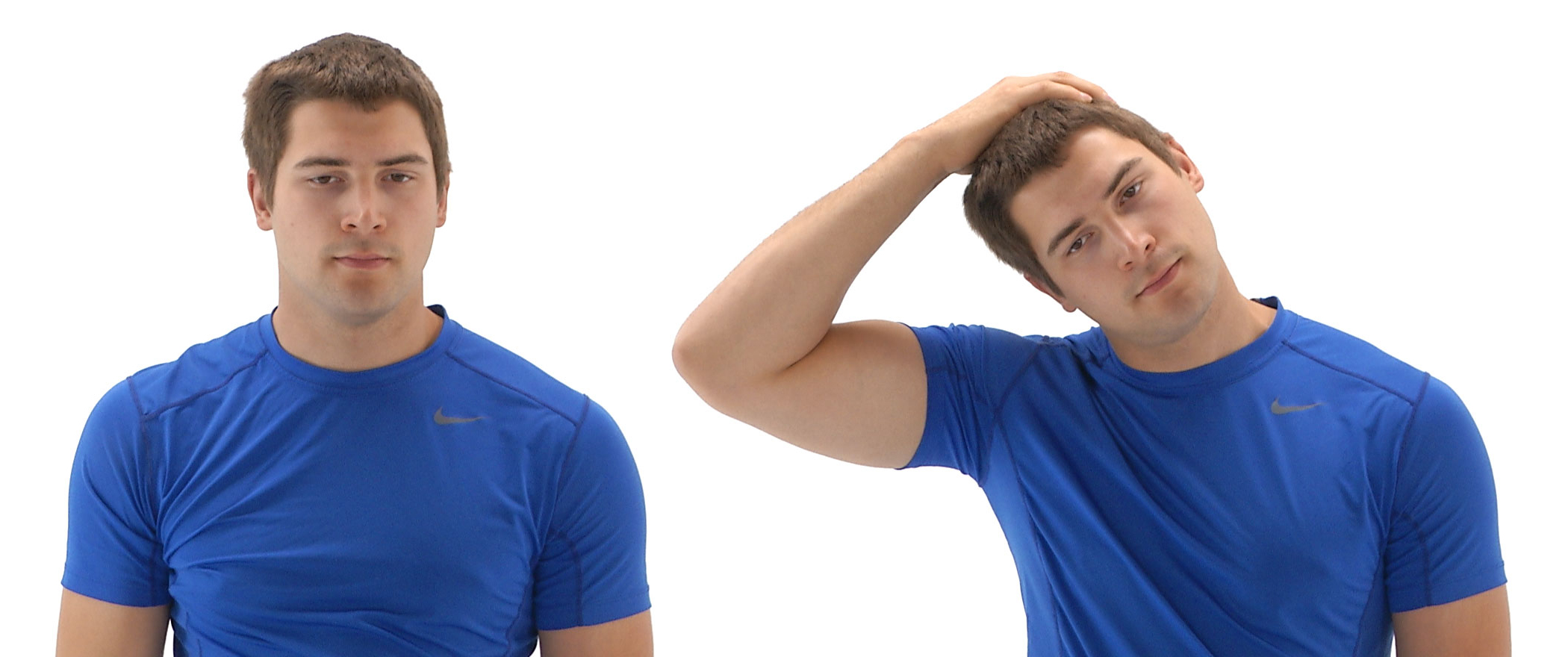
2. Side neck stretch
Repetitions: 10-20
Frequency: 2-3 times daily
Lift one arm and gently bring it over your head, placing your hand on the opposite side of your head.
Gently pull your head toward your shoulder until you feel a stretch on the other side of your neck.
Hold the stretch.
Keep your head level - don't turn it or tilt it forward or backward.
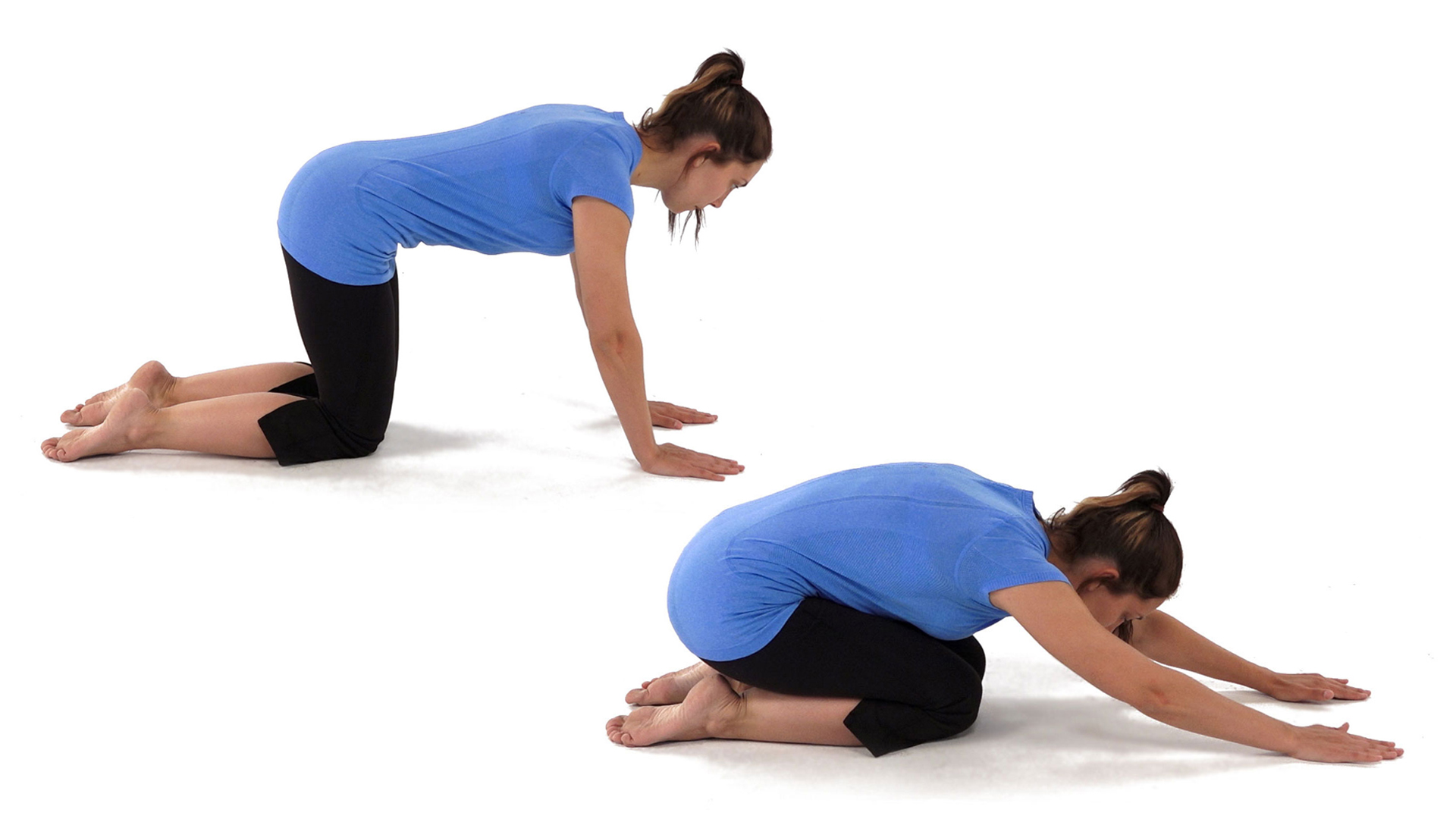
3. Upper body stretch
Repetitions: 10-20
Frequency: 2-3 times daily
Kneel on the floor and sit your hips back toward your heels.
Gently lower your chest toward the ground and stretch your arms forward.
Let your head relax down.
Breathe deeply and hold the position for as long as comfortable.
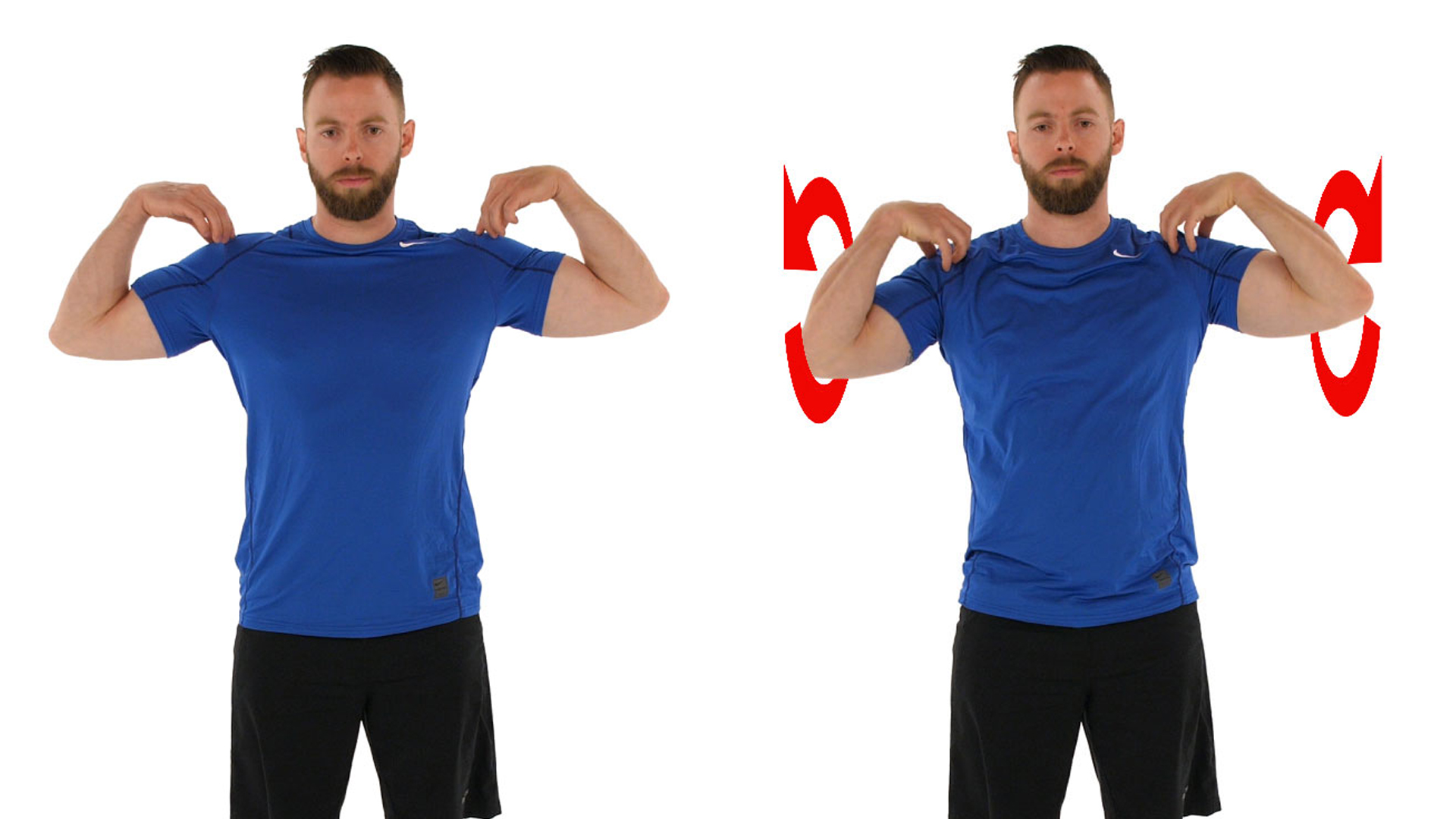
4. Shoulder circumduction
Repetitions: 10-20
Frequency: 2-3 times daily
Stand or sit straight and place your hands on your shoulders.
Move your elbows up, in, out, and down to make circles with your elbows that are as large as possible.
Lower your arms and repeat.
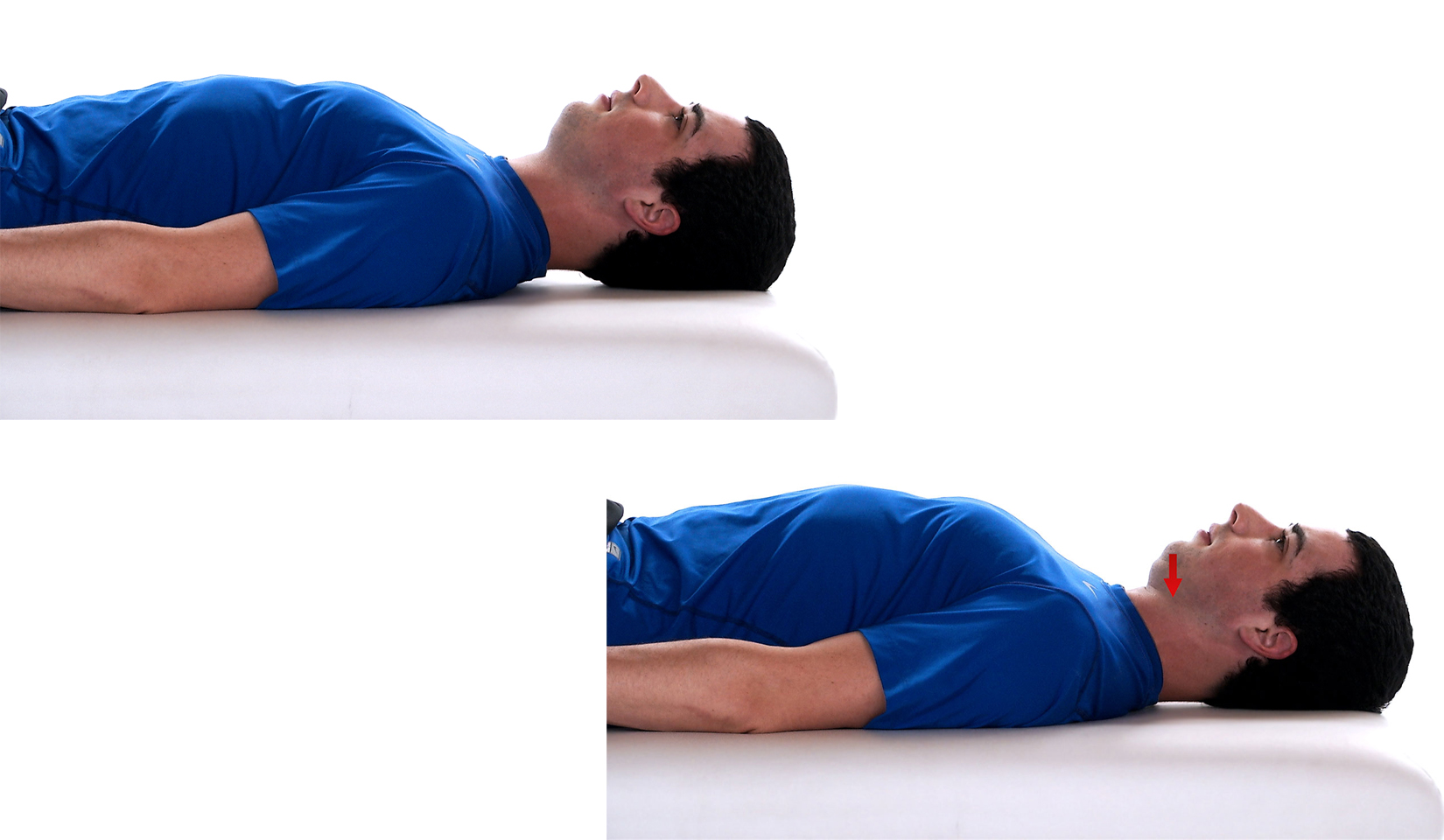
5. Upper cervical flexion
Repetitions: 10-20
Frequency: 2-3 times daily
Lie on your back.
Gently tuck your chin inward and pull yourself taller as if there is a rope pulling the back of your head.
Hold for 5 seconds then relax and repeat.
When to seek help
If you feel these exercises are making your symptoms worse, take a break. You can also speak to your GP for further help. This doesn’t mean it’s anything too serious. It may be that you need some extra help to deal with the symptoms, and you may be referred to a physiotherapist.
Related services
Musculoskeletal Physiotherapy Outpatients
Treatment plans to manage or improve musculoskeletal conditions, including chronic pain, recovery from surgery, and osteoarthritis.
Musculoskeletal Physiotherapy Outpatients: Go to serviceCommunity Physiotherapy Service (East Berkshire)
Support at home for housebound adults who are unable to attend clinic appointments, including a personalised rehabilitation plan.
Community Physiotherapy Service (East Berkshire): Go to serviceTalking Therapies
A free and confidential service offering effective treatment for common mental health problems such as low mood, stress or worry.
Talking Therapies: Go to service