

About the condition
Subacromial pain syndrome (SAPS) is a generic term that describes pain associated with any of the structures in the subacromial space (the area above the ball and socket joint of the shoulder and below the acromion). This includes conditions such as subacromial bursitis, impingement syndrome, rotator cuff tears, rotator cuff or bicep tendinopathy, and calcific tendonitis.
Causes
SAPS can start after an injury, from overuse, or develop gradually without a clear cause. It often follows a period of increased activity, such as DIY or painting.
It can be linked to muscle weakness or imbalance, posture, or age‑related changes in the shoulder. Shoulder tendons naturally change as we get older. Many people over 60 have small rotator cuff tears but do not have symptoms, and most people who do experience pain improve well with physiotherapy.
Signs and symptoms
- Aching or sharp pain in the shoulder or upper arm.
- Pain with overhead movement or a 'painful arc' at certain angles.
- Discomfort lying on the painful side, which may disturb sleep.
- Pain sometimes spreads toward the neck.
Treating SAPS
Most people notice improvement within 6–12 weeks if they exercise regularly. Long‑standing or more painful symptoms may take longer. A physiotherapy assessment and examination will give most of the important information, so MRI scans are only needed if surgery is being considered.
- Keep using your arm as pain allows but pace yourself and avoid ‘pushing through’ strong pain. Adapt work tasks or hobbies if they flare your symptoms. Support your arm with a pillow at night if needed. Maintain good posture and change position regularly. Consider workplace adjustments if needed.
- Use a hot or cold pack for 15–20 minutes, wrapped in a damp towel. Repeat as needed, ensuring your skin returns to normal temperature between uses.
- Paracetamol, ibuprofen, or anti‑inflammatory gels may help you stay active. Speak with your GP or pharmacist. A steroid injection may be considered if pain is severe.
Exercises
Exercise is the most effective treatment. Strengthening the shoulder muscles and keeping active helps symptoms and prevents recurrence.
Complete these gentle exercises little and often to help reduce stiffness and other symptoms. They may be uncomfortable, but they should not significantly increase your symptoms.
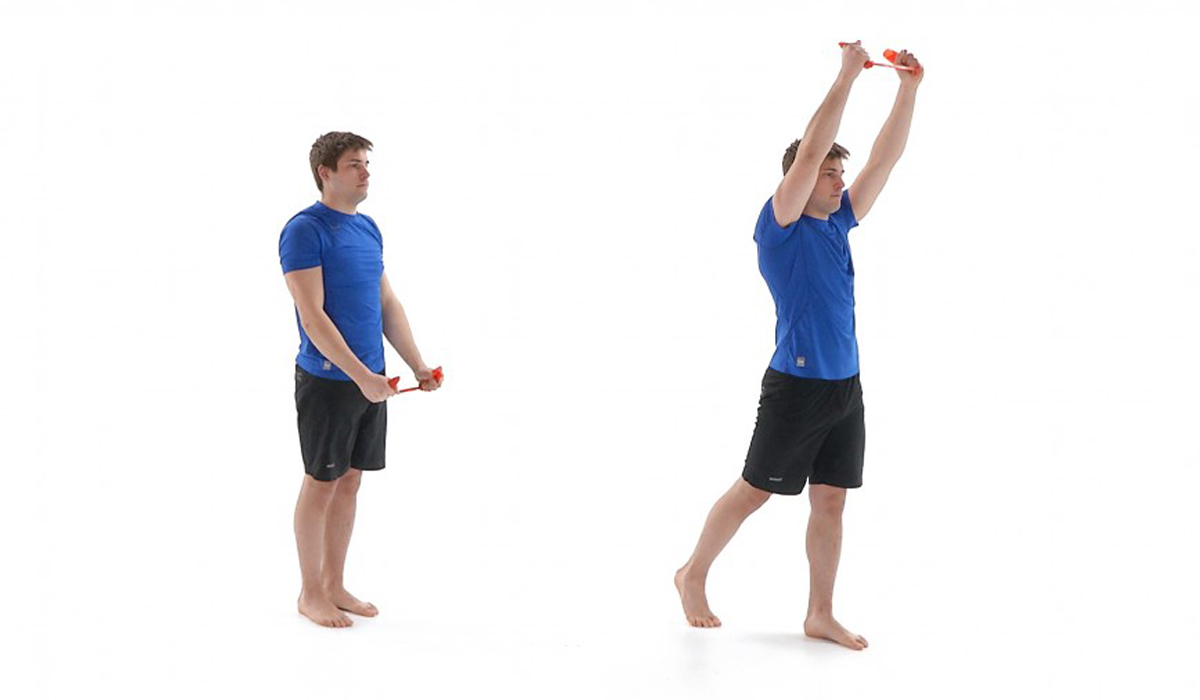
1. Shoulder flexion with band
Repetitions: 10-20
Frequency: 2 times daily (morning and afternoon)
Stand with a resistance band around your wrists and your elbows bent.
Keep the band gently taut as you lift your arms overhead and take a step forward.
Lower your arms back down and return to the start position.
Repeat.
2. Supported rotation
Repetitions: 10-20
Frequency: 2 times daily (morning and afternoon)
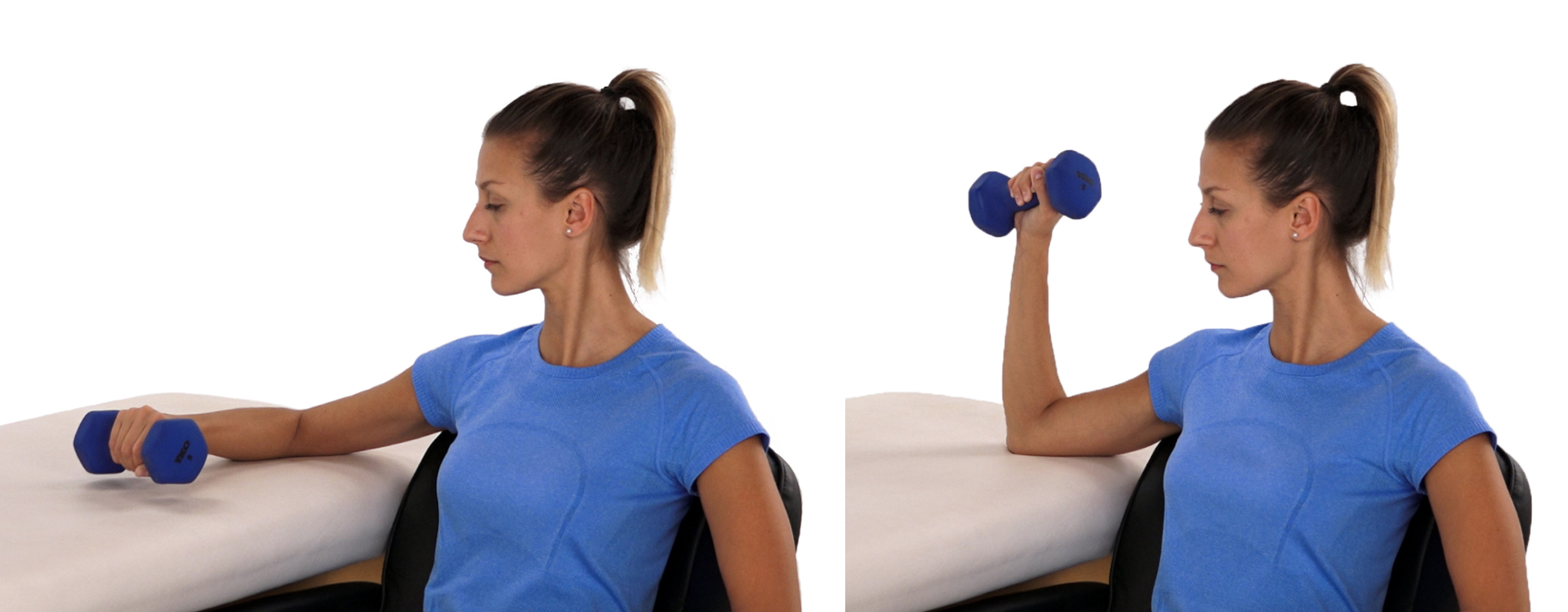
Rest your elbow on a table at a 90-degree angle and hold a weight.
Gently draw your shoulder back, then lift your hand away from the table without moving your elbow.
Lower slowly and repeat.
3. One arm row
Repetitions: 10-20
Frequency: 2 times daily (morning and afternoon)
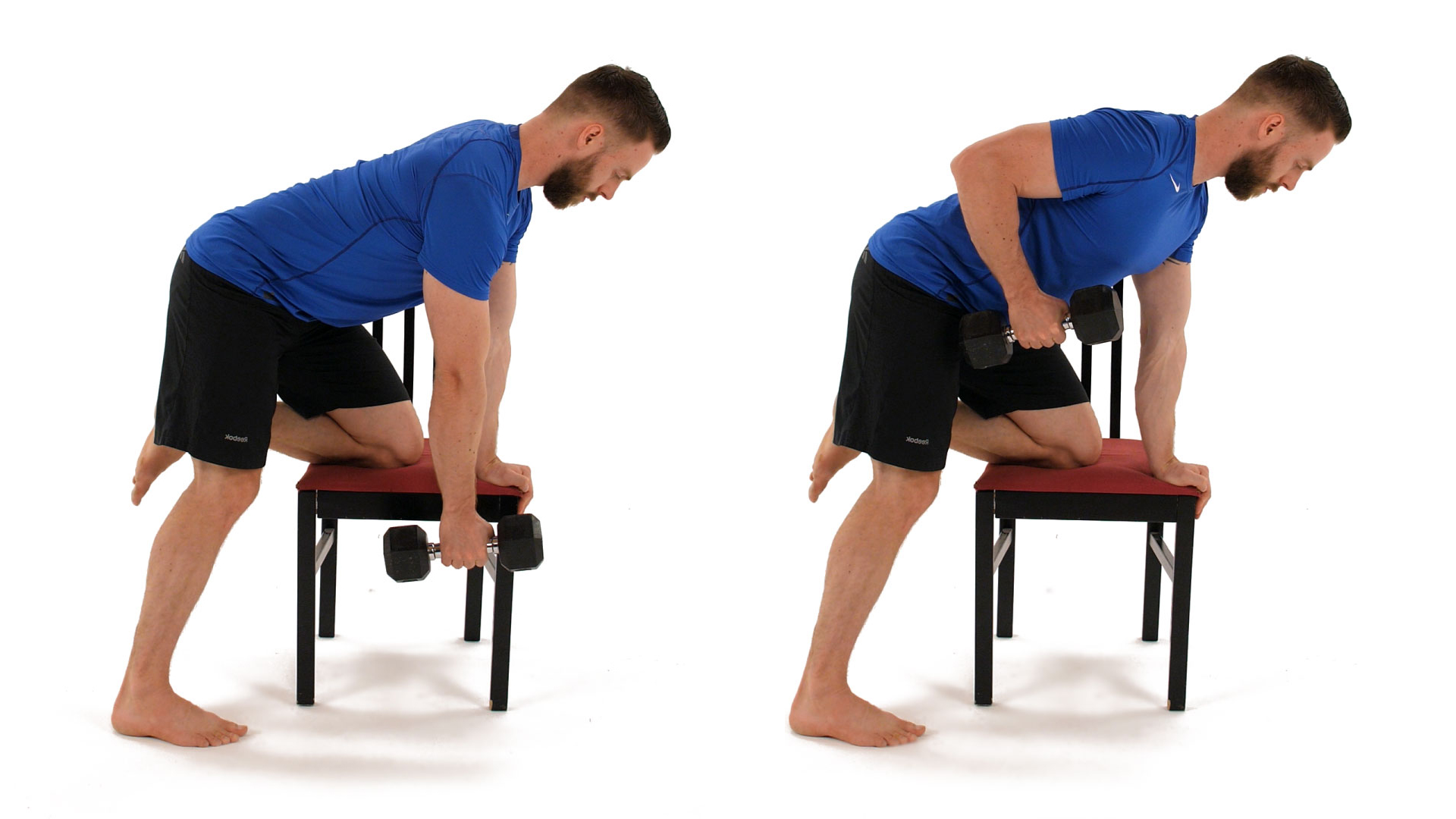
Support yourself on a bench, bed, or chair.
Squeeze your shoulder blades together and pull the weight up toward your side.
Use the muscles between your shoulder blades to lift your arm, keeping your forearm relaxed and your hips level.
Lower the weight slowly and repeat.
4. Wall push-ups
Repetitions: 10-20
Frequency: 2 times daily (morning and afternoon)
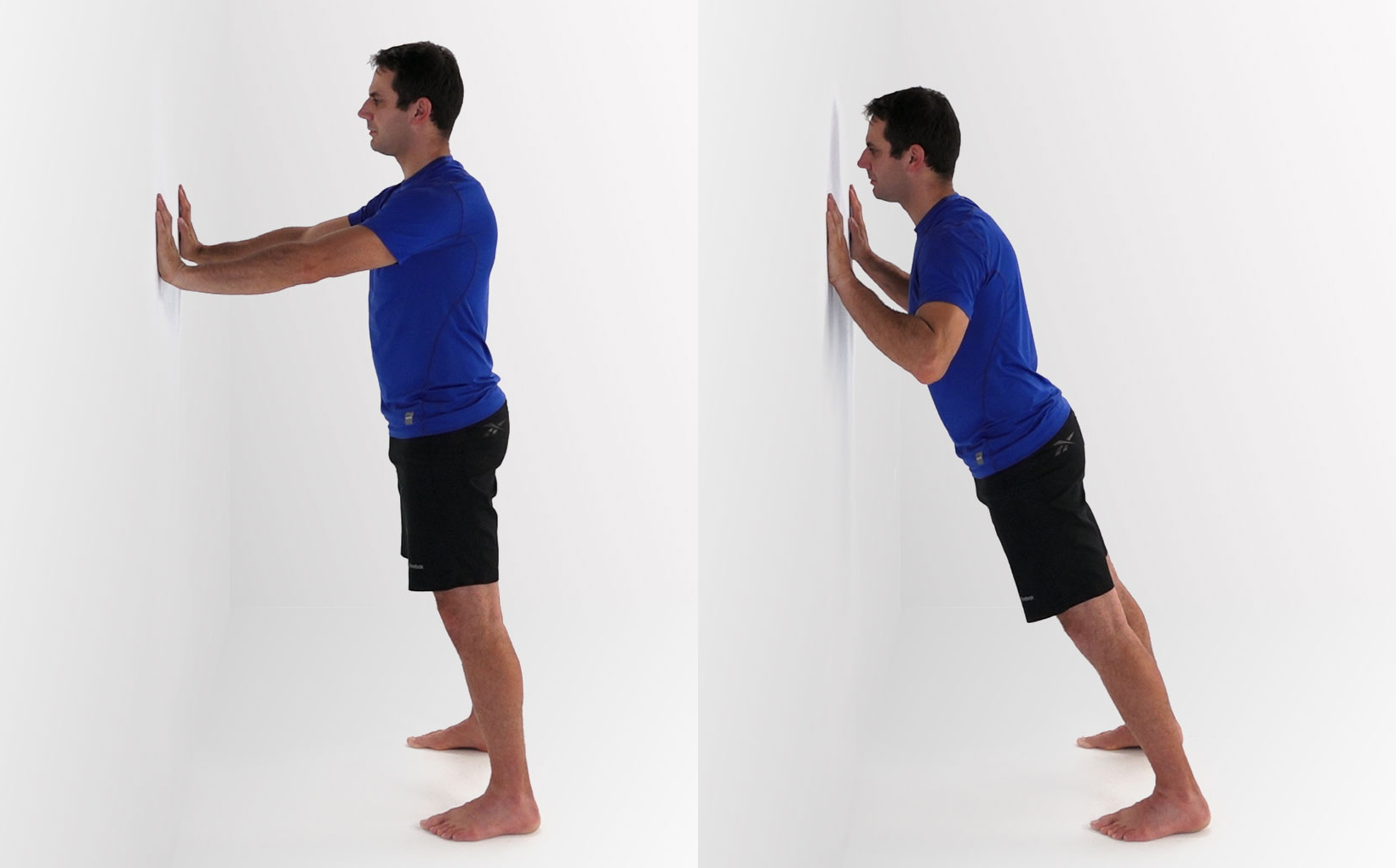
Stand 12-18 inches from the wall with your hands at shoulder height.
Keep your shoulders down and back as you slowly bend your elbows, bringing your face and forearms toward the wall.
Push through your arms to return to the start position and repeat.
Related services
Musculoskeletal Physiotherapy Outpatients
Treatment plans to manage or improve musculoskeletal conditions, including chronic pain, recovery from surgery, and osteoarthritis.
Musculoskeletal Physiotherapy Outpatients: Go to serviceCommunity Physiotherapy Service (East Berkshire)
Support at home for housebound adults who are unable to attend clinic appointments, including a personalised rehabilitation plan.
Community Physiotherapy Service (East Berkshire): Go to serviceTalking Therapies
A free and confidential service offering effective treatment for common mental health problems such as low mood, stress or worry.
Talking Therapies: Go to service