

Overview
Neck pain can be caused by many different things. It might be that you’re not sitting correctly at your office desk, you’re coping with stress, or you’ve recently had a sports injury.
There are different things you can do to help reduce neck pain and improve your recovery.
Medication
Painkillers can help reduce any discomfort you have. However, if they’re not helping, your GP may be able to prescribe something else.
Driving
Provided you can look over both shoulders, you can return to driving when you’re ready. If you’re driving on long journeys, remember to take regular breaks, walk around and stretch your neck and shoulders.
At home
A firm pillow which you can adjust may help support your neck when you sleep. The way you sit in chairs can help prevent you straining your neck further. Depending on your needs, it’s unlikely you’ll need to buy new furniture to help with your recovery.
At work
Stay at work if possible, and remember to move, stretch, and change position regularly. If you work in an office, make sure your chair fits you and supports your back. Arrange your desk so that you can reach things like your computer and phone without straining your neck.
Manual activity, gardening, and housework
If you’re still doing activities, give yourself enough time and take regular breaks. When lifting, it may help to use your legs more and to kneel down to do things rather than bending forward.
Exercise
Keeping active has been shown to help relieve pain. When you’re ready, start with simple, gentle exercises. Gradually start to build up your routine when you feel able. Be careful not to over tense your shoulders. When walking let your arms swing and remember to breathe normally.
Exercises
Complete these gentle exercises to help reduce spinal stiffness and other symptoms. They may be uncomfortable, but they shouldn’t significantly increase your symptoms.
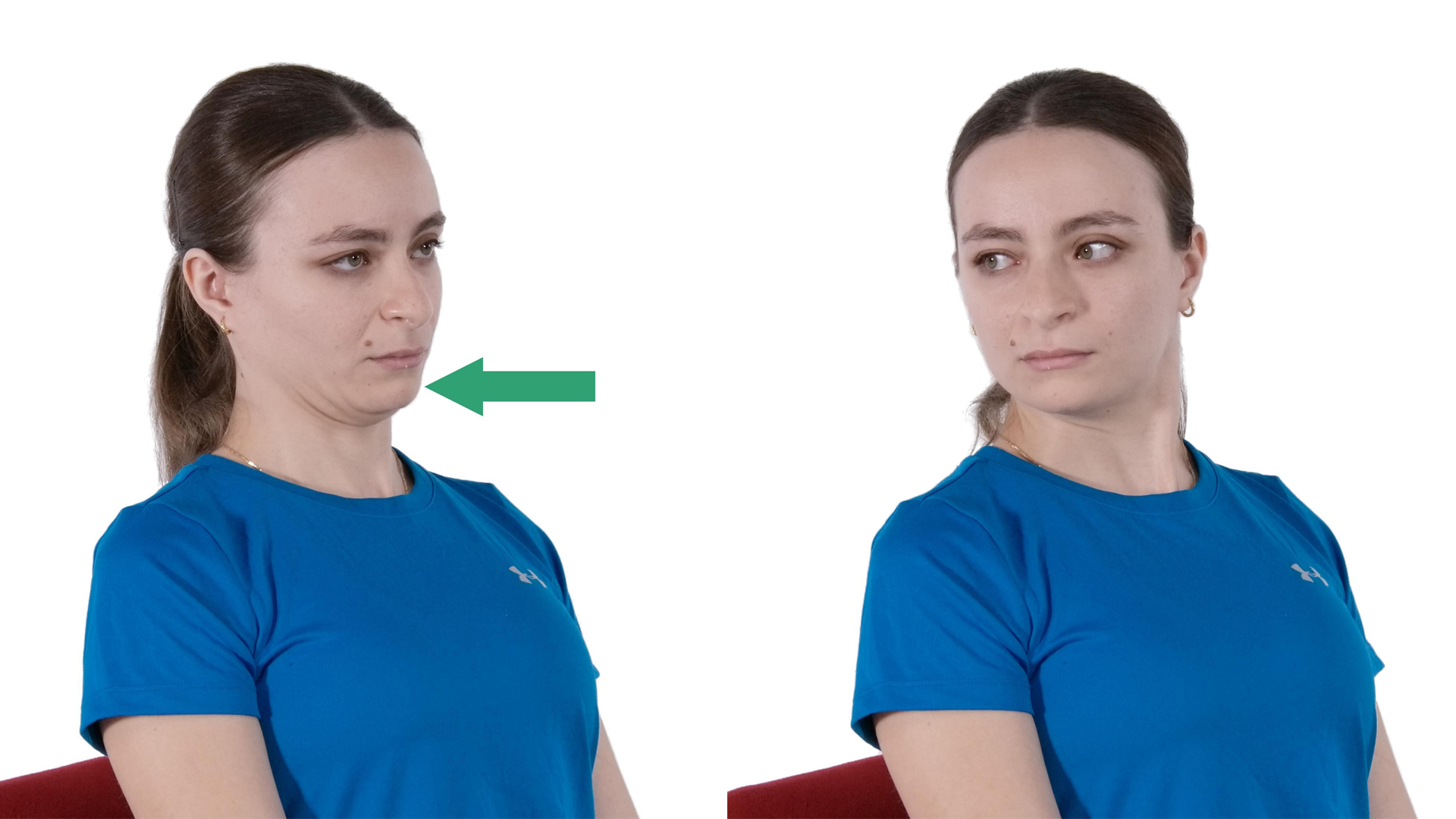
1. Neck rotation
Repetitions: 10-20
Frequency: 2 times daily (morning and afternoon)
Stand or sit tall and gently draw your chin straight back (keeping your eyes looking forward).
Slowly turn your head as far as comfortable while keeping your chin tucked in. Return to the middle and repeat.
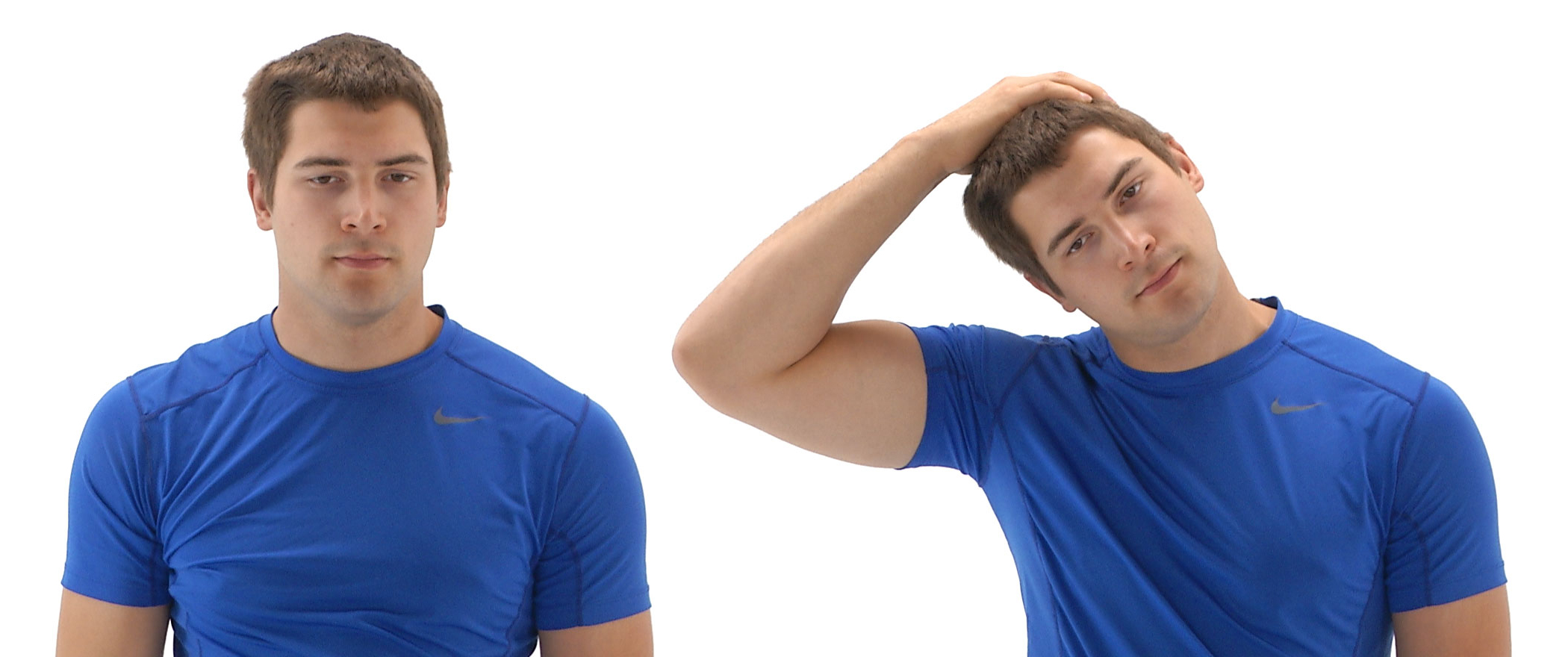
2. Side neck stretch
Repetitions: 10-20
Frequency: 2 times daily (morning and afternoon)
Sit or stand tall.
Lift one arm and gently bring it over your head, placing your hand on the opposite side of your head.
Gently pull your head toward your shoulder until you feel a stretch on the other side of your neck.
Hold the stretch.
Keep your head level - don't turn it or tilt it forward or backward.
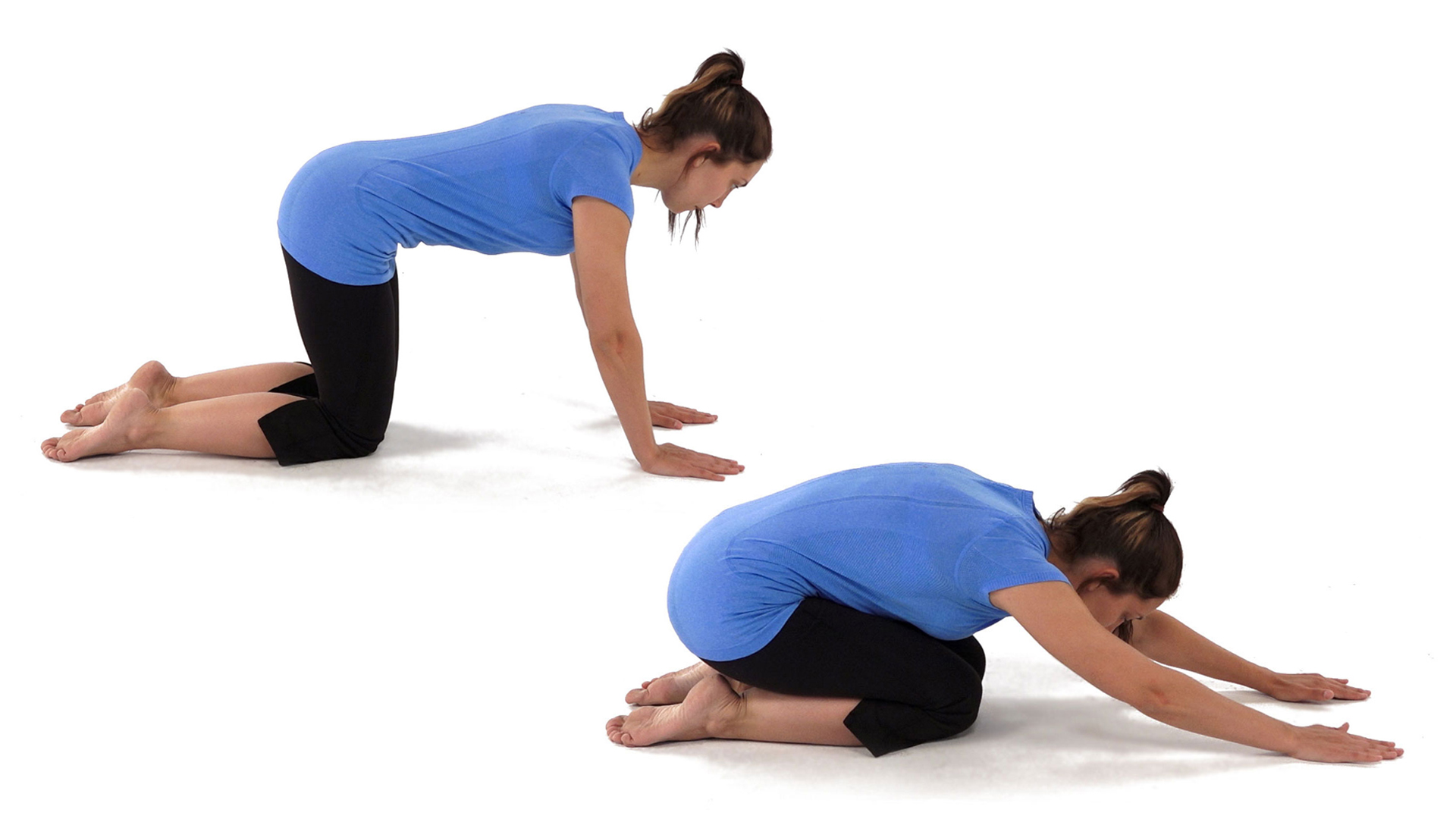
3. Upper body stretch
Repetitions: 10-20
Frequency: 2 times daily (morning and afternoon)
Kneel on the floor and sit your hips back toward your heels.
Gently lower your chest toward the ground and stretch your arms forward.
Let your head relax down.
Breathe deeply and hold the position for as long as comfortable.
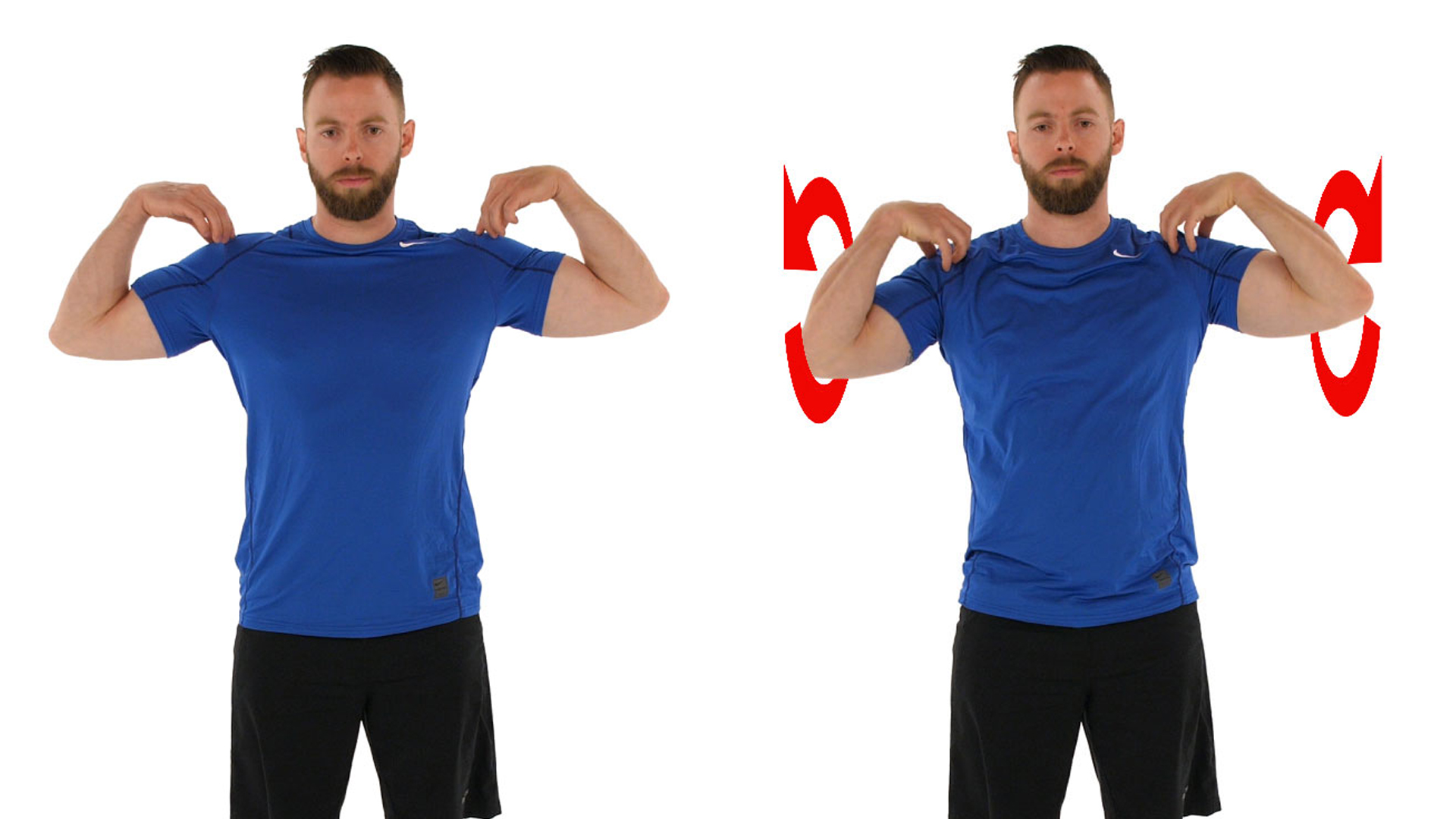
4. Shoulder circumduction
Repetitions: 10-20
Frequency: 2 times daily (morning and afternoon)
Stand or sit straight and place your hands on your shoulders.
Move your elbows up, in, out, and down in order to make circles with your elbows that are as large as possible.
Lower your arms and repeat.
When to seek help
If you feel these exercises are making your symptoms worse, take a break. You can also speak to your GP for further help. This doesn’t mean it’s anything too serious. It may be that you need some extra help to deal with the symptoms, and you may be referred to a physiotherapist.
Related services
Musculoskeletal Physiotherapy Outpatients
Treatment plans to manage or improve musculoskeletal conditions, including chronic pain, recovery from surgery, and osteoarthritis.
Musculoskeletal Physiotherapy Outpatients: Go to serviceCommunity Physiotherapy Service (East Berkshire)
Support at home for housebound adults who are unable to attend clinic appointments, including a personalised rehabilitation plan.
Community Physiotherapy Service (East Berkshire): Go to servicePhysiotherapy Service for children and young people
Help for children and young people up to the age of 19 who have difficulties with gross motor skills, including posture and mobility.
Physiotherapy Service for children and young people: Go to service