

About the condition
Back pain is very common and is generally not caused by a serious illness or condition. It often improves with time.
Causes
Common causes of back pain include:
- muscle strain
- joint pain
- irritation of the nerves in your back
- arthritis of the spine (spondylosis)
Red flag symptoms
Seek urgent medical help by contacting NHS 111, going to A&E, or making an emergency GP appointment if you have:
new bladder or bowel problems, such as difficulty starting, leaking, or not feeling the need to go
numbness or tingling around your bottom, genitals, or inner thighs (“saddle area”)
severe or quickly worsening leg weakness, or difficulty walking
loss of sexual function that feels sudden or unusual
Treating low back pain
There are a few things you can do to help manage your pain and speed up your recovery.
- Keep moving – Your back is designed to move. Staying active and continuing your usual daily tasks helps speed up recovery.
- Use a pillow between your legs to make sleeping more comfortable.
- Pain relief – Over‑the‑counter anti‑inflammatory medicine such as ibuprofen may help.
- Ice or heat – Use an ice pack in a damp towel or a covered hot water bottle on the painful area for up to 20 minutes. Repeat as needed. Avoid if you have reduced skin sensation or skin damage.
- Exercises and stretches – Gentle back exercises can help ease pain (see suggestions on the next page).
- Avoid long bed rest – Resting too much or avoiding movement can slow recovery and make stiffness worse.
- Gradually re-introduce your usual activities in a way that feels manageable for you.
Exercises
Complete these gentle exercises little and often to help reduce spinal stiffness and other symptoms. They may be uncomfortable, but they shouldn’t significantly increase your symptoms.
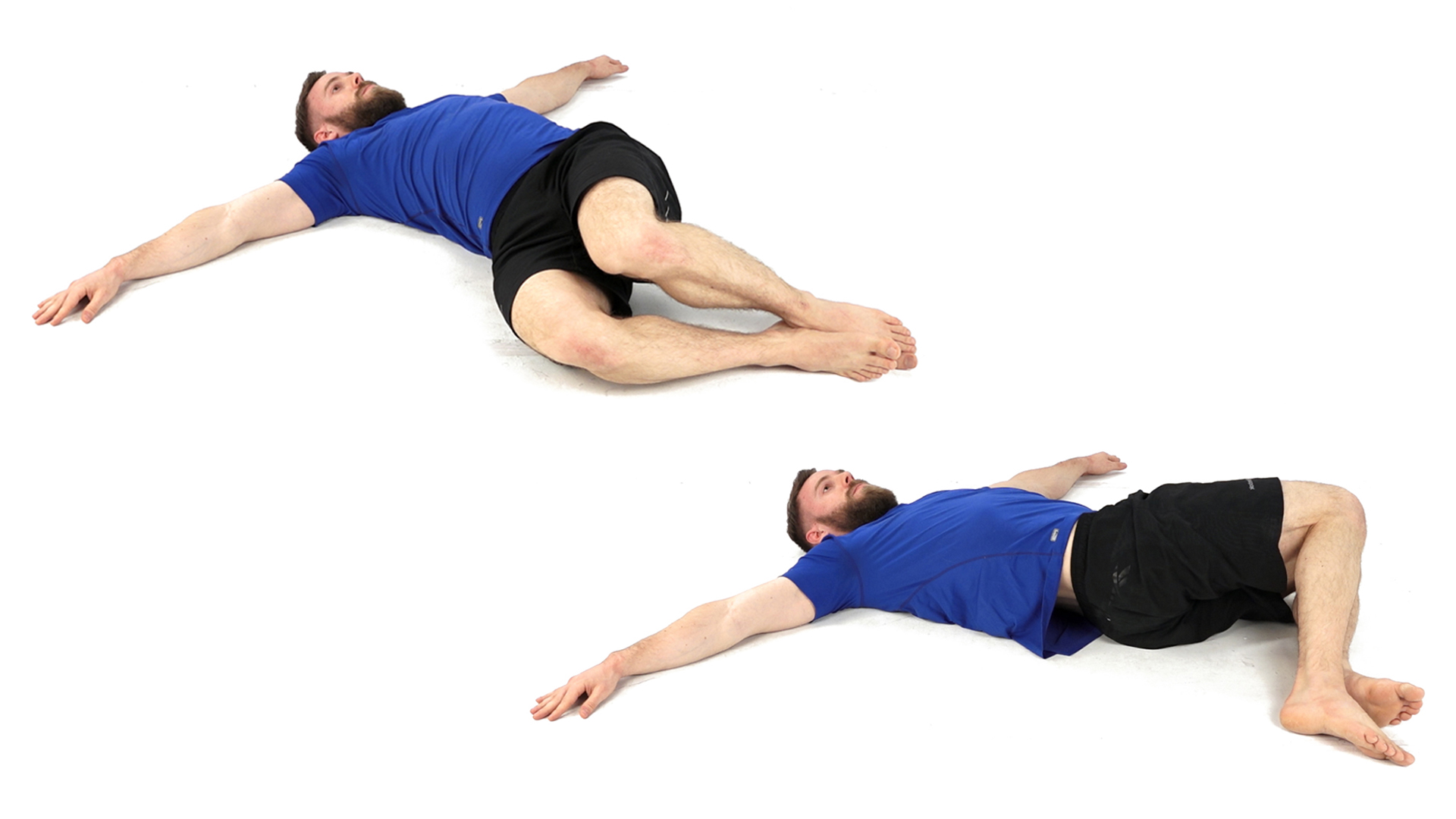
1. Knee roll stretch
Repetitions: 1-20
Frequency: 2 times daily (morning and afternoon)
Lie on your back with your knees bent and feet on the floor.
Place your arms out to the sides for support.
Slowly let both knees roll to one side until you feel a gentle stretch.
Bring them back to the middle and repeat.
Keep your knees together throughout the movement.
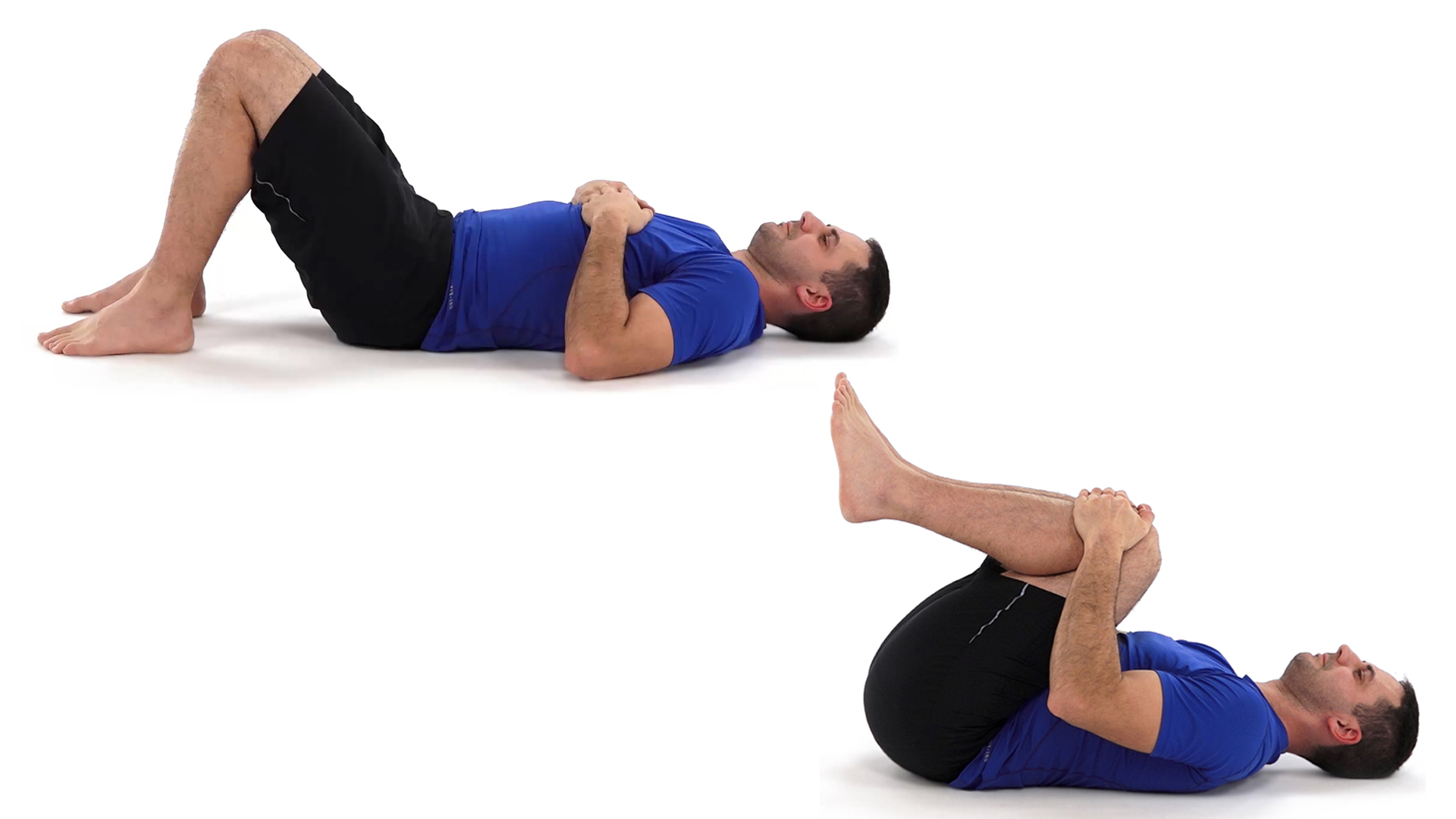
2. Knee to chest stretch
Repetitions: 1-20
Frequency: 2 times daily (morning and afternoon)
Lie on your back.
Gently pull both knees toward your chest, holding behind your thighs.
Bring them in until you feel a comfortable stretch in your lower back.
Hold the position.
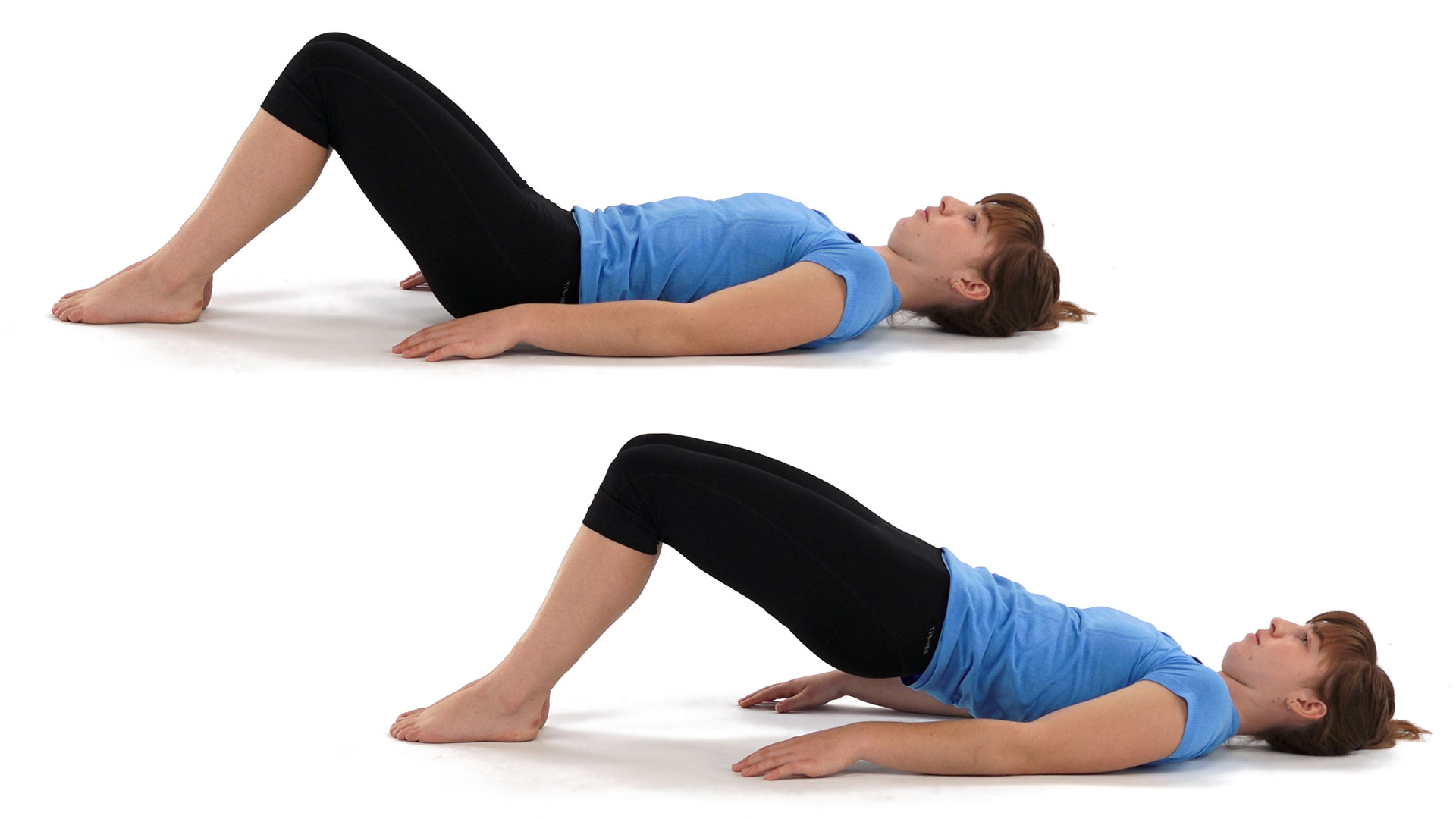
3. Bridge
Repetitions: 1-20
Frequency: 2 times daily (morning and afternoon)
Lie on your back with your knees bent and feet on the floor.
Squeeze your buttocks to lift your hips until your body forms a straight line from shoulders to knees.
Lower your hips slowly and repeat.
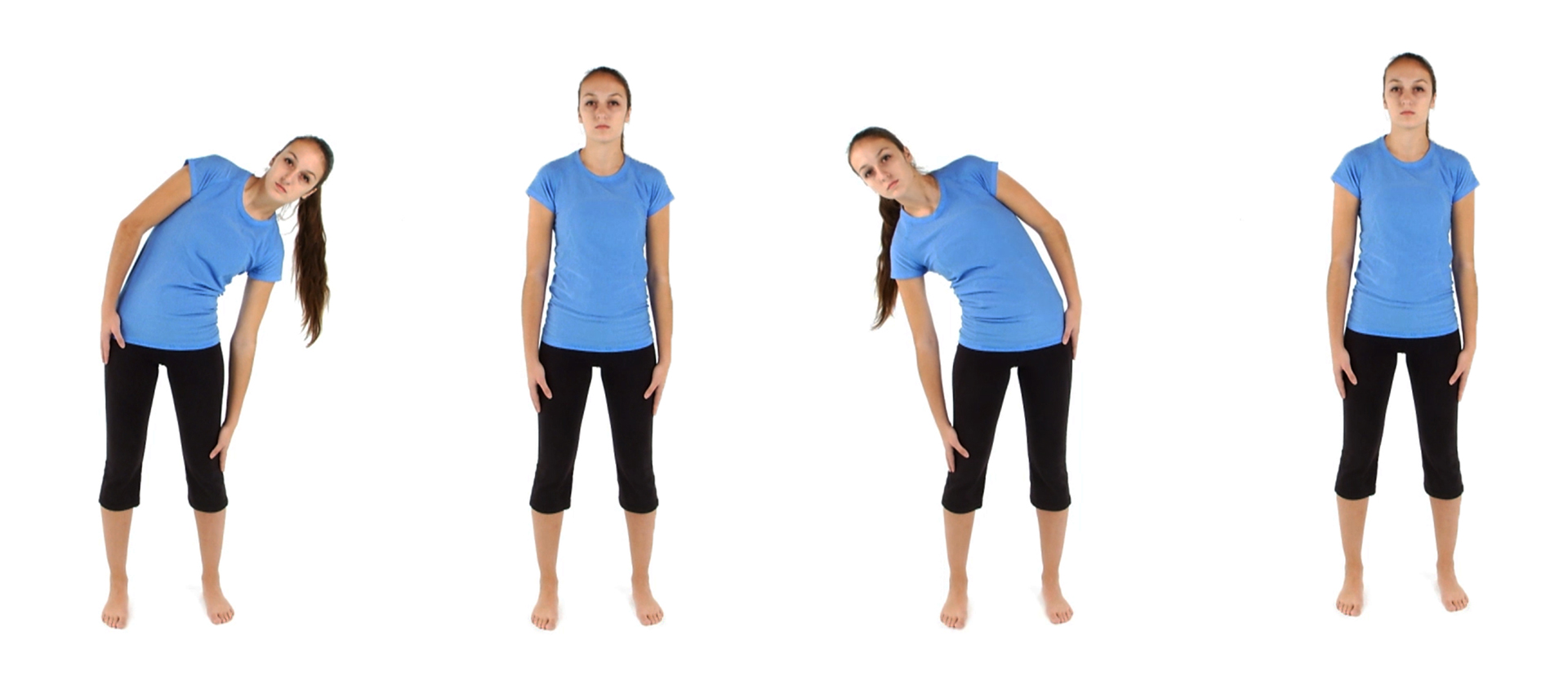
4. Side bend stretch
Repetitions: 1-20
Frequency: 2 times daily (morning and afternoon)
Stand tall with your arms by your sides or crossed over your chest.
Slowly slide one hand down your thigh as you bend sideways.
Return to the middle, then repeat on the other side.
When to seek help
If you feel these exercises are making your symptoms worse, take a break. You can also speak to your GP for further help. This doesn’t mean it’s anything too serious. It may be that you need some extra help to deal with the symptoms, and you may be referred to a physiotherapist.
Related services
Musculoskeletal Physiotherapy Outpatients
Treatment plans to manage or improve musculoskeletal conditions, including chronic pain, recovery from surgery, and osteoarthritis.
Musculoskeletal Physiotherapy Outpatients: Go to serviceCommunity Physiotherapy Service (East Berkshire)
Support at home for housebound adults who are unable to attend clinic appointments, including a personalised rehabilitation plan.
Community Physiotherapy Service (East Berkshire): Go to serviceTalking Therapies
A free and confidential service offering effective treatment for common mental health problems such as low mood, stress or worry.
Talking Therapies: Go to service