

What are immunisations?
Vaccines help protect us from getting very sick. They not only keep you safe but also help protect people who can’t have vaccines, like babies or those with certain health conditions.
Diseases like smallpox, polio, and tetanus, which once harmed and killed millions, are now very rare in the UK thanks to vaccines.
Some diseases like measles and diphtheria still exist, but mostly in other countries. If people stop getting vaccines, these illnesses could come back and spread quickly. Getting vaccinated keeps you, your family, and your community safe.
Flu vaccine
Flu can be serious, especially for young children. It can lead to complications like bronchitis, pneumonia, and even ear infections. Children under five are most likely to end up in hospital with flu. The flu vaccine is the best way to protect them and stop the virus spreading to others, like pregnant women, older relatives, and people with health conditions. This year, it’s also free for anyone aged 50 and over.
During the autumn term, children in reception to year six are offered the flu vaccine at school. If your child is two or three, you’ll get an invite from your GP. Children with certain health conditions who aren’t in those school years can have theirs at the GP or a pharmacy. And if your child doesn’t go to school, they’ll be invited to a local community clinic.
HPV vaccine
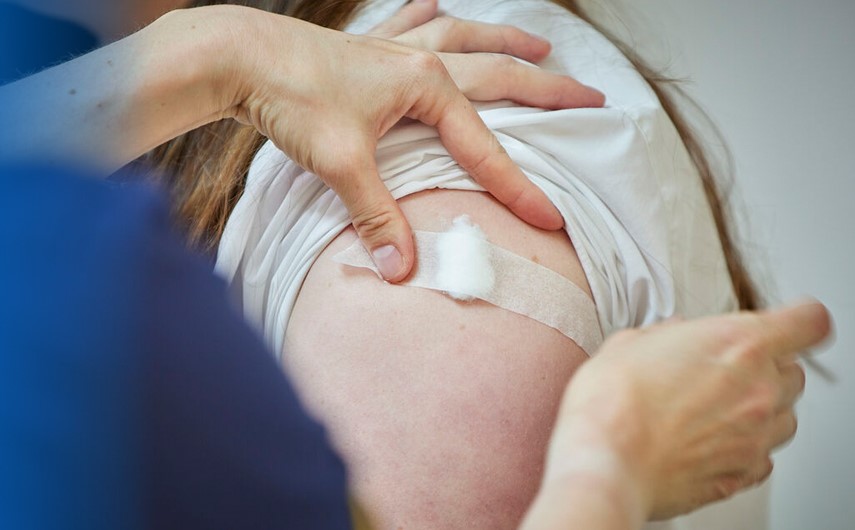
HPV (human papillomavirus) is a common group of viruses, some of which are considered high-risk due to their link to cancers. The HPV vaccine protects against types 16 and 18, which cause around 70% of cervical cancers, as well as types 6 and 11, which cause 90% of genital warts. The current vaccine used, Gardasil 9, offers protection against nine HPV types.
All children in school year eight (aged 12-13) are offered the vaccine at school as a single dose. If your child has a weakened immune system, they may need three doses within the year. If your child isn’t in school, you’ll get an invite to a local clinic. It’s quick, easy, and gives them long-term protection.
MMR vaccine
Measles, mumps and rubella (MMR) are highly infectious diseases that can lead to serious complications like meningitis, encephalitis, and even deafness. The MMR vaccine is a safe and effective way to protect your child against all three in one injection. Two doses are needed for full protection, usually given before starting primary school.
If your child missed a dose, they can have one or two catch-up jabs at school or at a local clinic. Teenagers heading to college are especially encouraged to check they’re fully up-to-date, as mumps is more common in older ages.
Diphtheria, Tetanus and Polio (DTP) vaccine
Diphtheria, tetanus and polio are serious infections that can cause life-threatening complications. Diphtheria can block airways and damage the heart, tetanus enters through wounds and causes painful muscle spasms, and polio can lead to paralysis. While rare in the UK, these diseases still exist elsewhere, so it’s important to stay protected.
The teenage booster (Td/IPV) protects against all three diseases in a single injection. It’s usually offered at school during year nine, often alongside the MenACWY vaccine. If your child isn’t in school or missed their booster, they’ll be invited to a local clinic. It’s quick, easy, and helps keep them protected for the future.
Men ACWY vaccine
Meningitis is a serious infection of the membranes around the brain and spinal cord. It can affect anyone but is most common in babies, children, and young adults. If not treated quickly, it can lead to life-threatening complications like blood poisoning and permanent brain or nerve damage.
The MenACWY vaccine protects against four types of meningitis and is given as a single injection in school year nine, usually alongside the DTP booster. If your child isn’t in school or missed their jab, they’ll be invited to a local clinic.
Consent for vaccinations
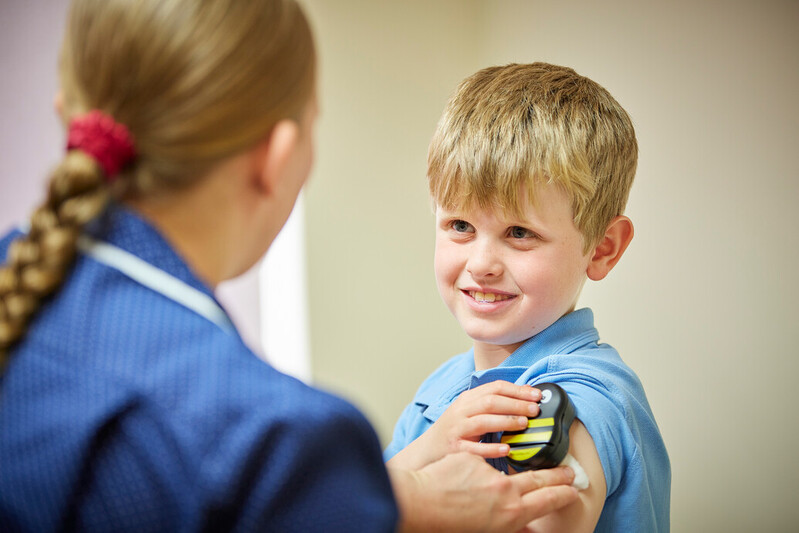
Our Immunisations Service work with schools to schedule vaccination sessions. To arrange this, parents need to complete an online consent form, without it, your child can’t be vaccinated.
Children under 16 who fully understand what's involved, know as “Gillick competent”, can give their own consent, even if a parent disagrees.
If anything changes after you’ve sent the consent form, like your child’s health, please let us know before the vaccination day. If you need help with the form or have questions about whether the vaccine is right for your child, we’re here to support you.
Related service
Immunisation Service for children and young people
Routine immunisations delivered in schools and community settings to children and young people aged 4 to 18.
Immunisation Service for children and young people: Go to service