

What is hip dysplasia?
Hip dysplasia (also called developmental dysplasia of the hip, or DDH) means the ball and socket of the hip joint don’t fit together as well as they should. The socket may be too shallow, or the ball may sit at the wrong angle. This can make the hip feel less stable and increase strain on the joint. This is a condition that is present at birth but may not become evident until later in life.
Common symptoms
Not everyone gets all these symptoms, and they may come and go. Pain can come from extra pressure on the joint cartilage or from irritation/tearing of the labrum (a ring of cartilage that helps stabilise the hip). Many people have labral tears without symptoms, and improving muscle control can often reduce pain even when a tear is present.
Symptoms may include:
- pain in the groin, side of the hip, or front of the thigh
- pain when bending the hip or turning it inwards
- clicking, catching, or locking
- a feeling that the hip might “give way”
- pain that worsens with activity and improves with rest
- sometimes, pain in the knee, lower back, or pelvis
Risk factors
You may be at increased risk of having hip dysplasia if you:
- are a firstborn
- are female
- were in the breech position as a baby
- were tightly swaddled in infancy
- have a family history of joint hypermobility or hip dysplasia
How hip dysplasia is diagnosed
Hip dysplasia is diagnosed by combining your symptoms, a physical examination, and imaging tests. During a clinical examination, your clinician will ask about and check:
- where your pain is
- what movements make it worse
- any clicking, catching, or giving way
- your hip movement
- strength and stability
- how you walk
The main test is an X‑ray, which shows the shape of the hip bones and how well the ball sits in the socket. If more detail is required, you may have an MRI scan that looks at soft tissues like the labrum and cartilage. A CT scan is sometimes done to give a 3D view of the bones and is mainly used to plan surgery.
Treating hip dysplasia
Exercise
The most effective long‑term treatment is strengthening the hip and core muscles to reduce strain on the joint. Stretching is not usually helpful, as it can increase symptoms.
Regular aerobic exercise (e.g., walking, cycling, swimming) also helps reduce pain. Aim for 2.5 hours of aerobic exercise per week, plus two strength sessions.
Physiotherapy
A physiotherapist will give you a tailored programme to improve strength, control and movement patterns. Symptoms often improve over 3–6 months, and exercises should be continued long-term.
Weight management
Carrying excess weight increases the load on the hips. A balanced diet and regular activity can help reduce symptoms if you need to lose weight.
Sleep and mood
Pain can affect sleep and mood. Good sleep habits, relaxation strategies, and (if needed) support from your GP or a psychologist can help.
Stop smoking
Smoking affects healing, so it’s important to address, especially if surgery is being considered.
Medication
Pain relief can help you stay active. Examples include paracetamol, stronger painkillers (if prescribed), short courses of anti‑inflammatory medication, and steroid injections. These may help in the short-term, but they are not a long‑term solution.
Surgery
Surgery can sometimes be needed to make the hip more stable, reduce pain, and protect it for the future.
Types of surgery include:
- open reduction (placing the hip back into the correct position)
- pelvic osteotomy (reshaping the hip socket for better coverage)
- femoral osteotomy (repositioning the thigh bone to improve alignment)
- hip arthroscopy (keyhole surgery to repair cartilage or the labrum)
- total hip replacement (replacing the ball and socket with artificial parts, if reconstruction is not appropriate)
Exercises
Completing these exercises may be uncomfortable, but they should not significantly increase your symptoms.
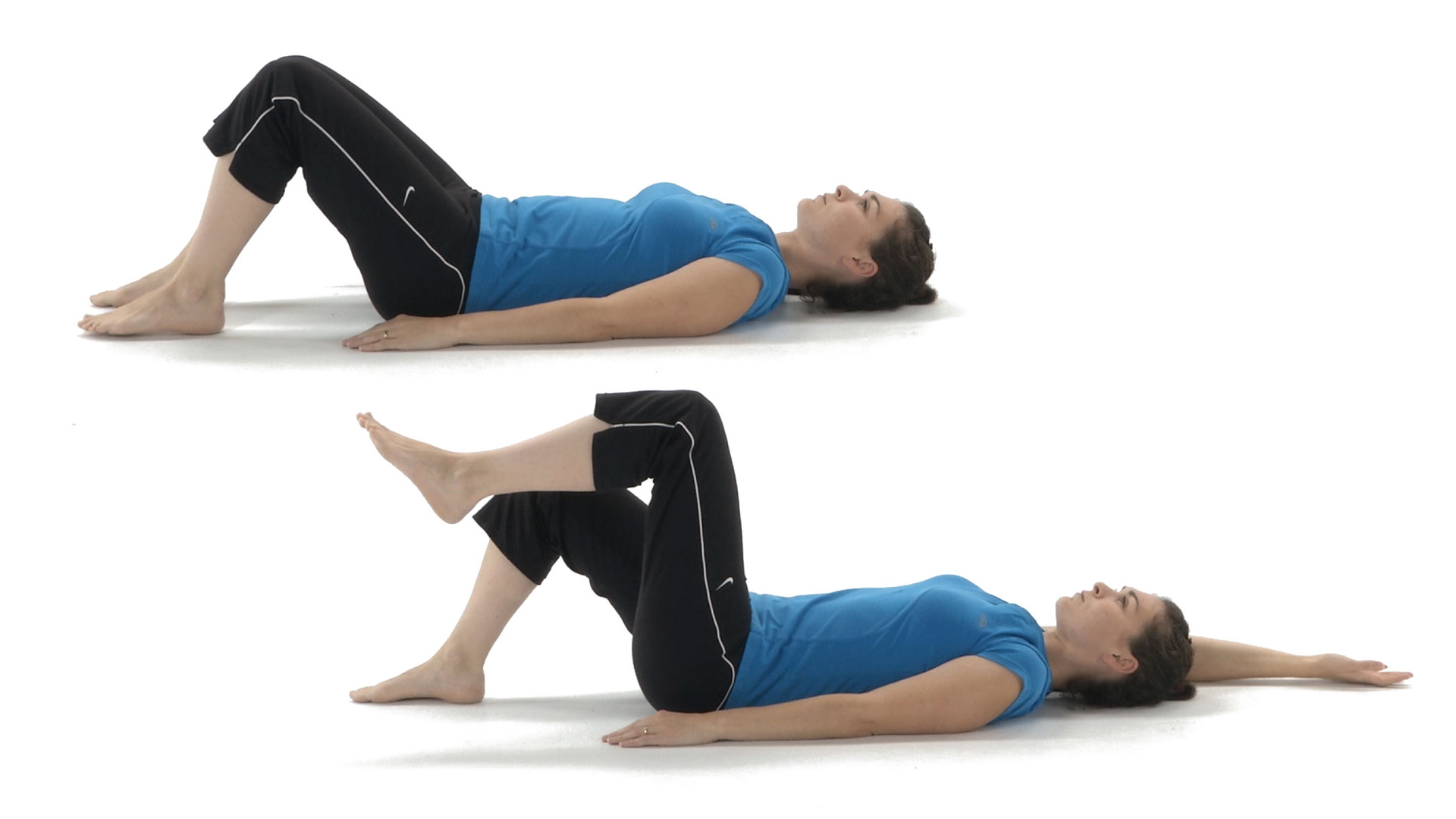
1. Beginner dead bug
Repetitions: 10-20
Frequency: 2 times daily (morning and afternoon)
Lie on your back with your knees bent and feet flat.
Lift one arm overhead while raising the opposite leg to 90°.
Lower slowly, then repeat on the other side.
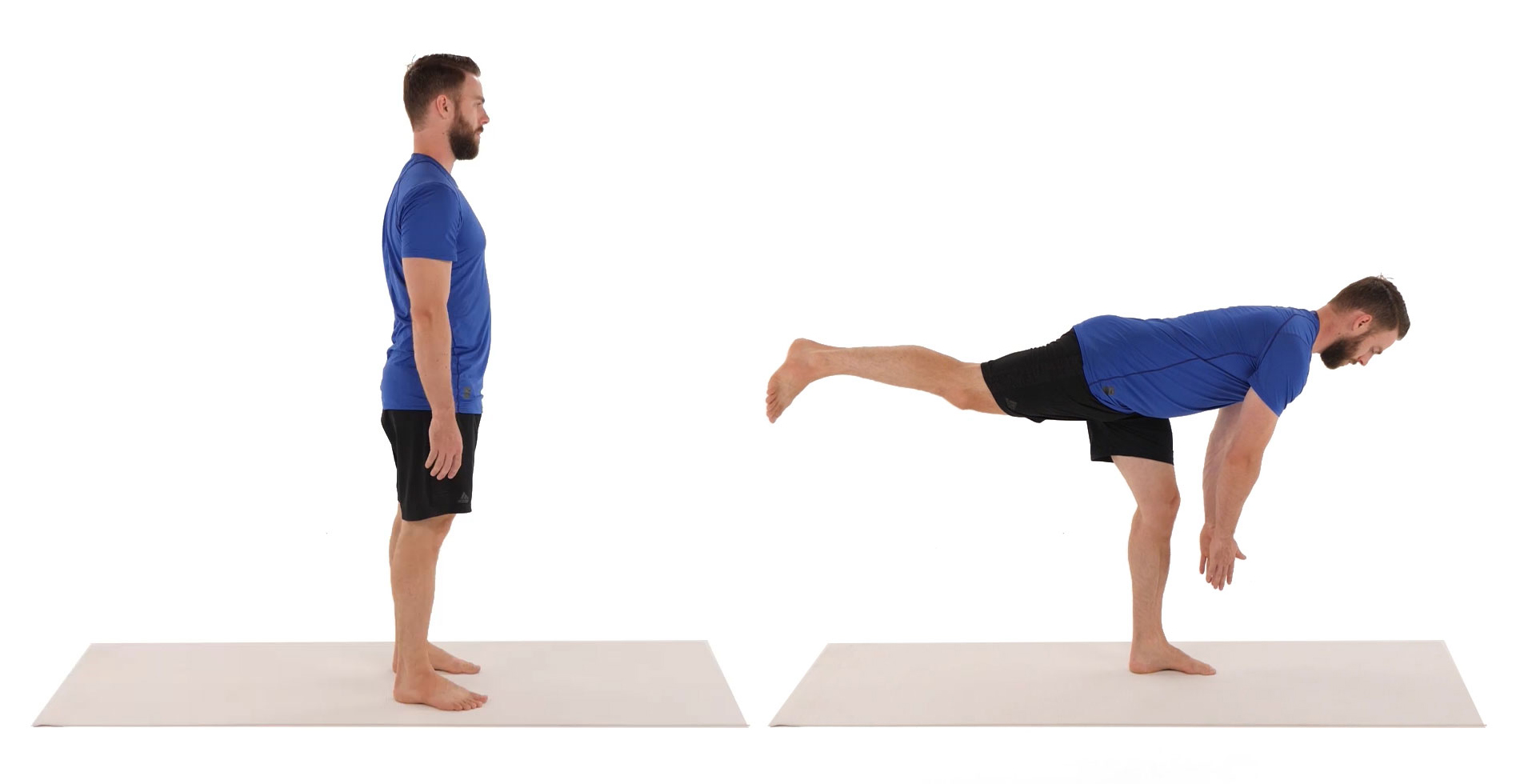
2. One leg toe touch
Repetitions: 10-20
Frequency: 2 times daily (morning and afternoon)
Stand on one leg and hinge forward from your hips, keeping your back straight.
Reach toward the floor, then use your hamstring to lift yourself back up.
Keep your knee aligned with your foot and your hips level throughout.
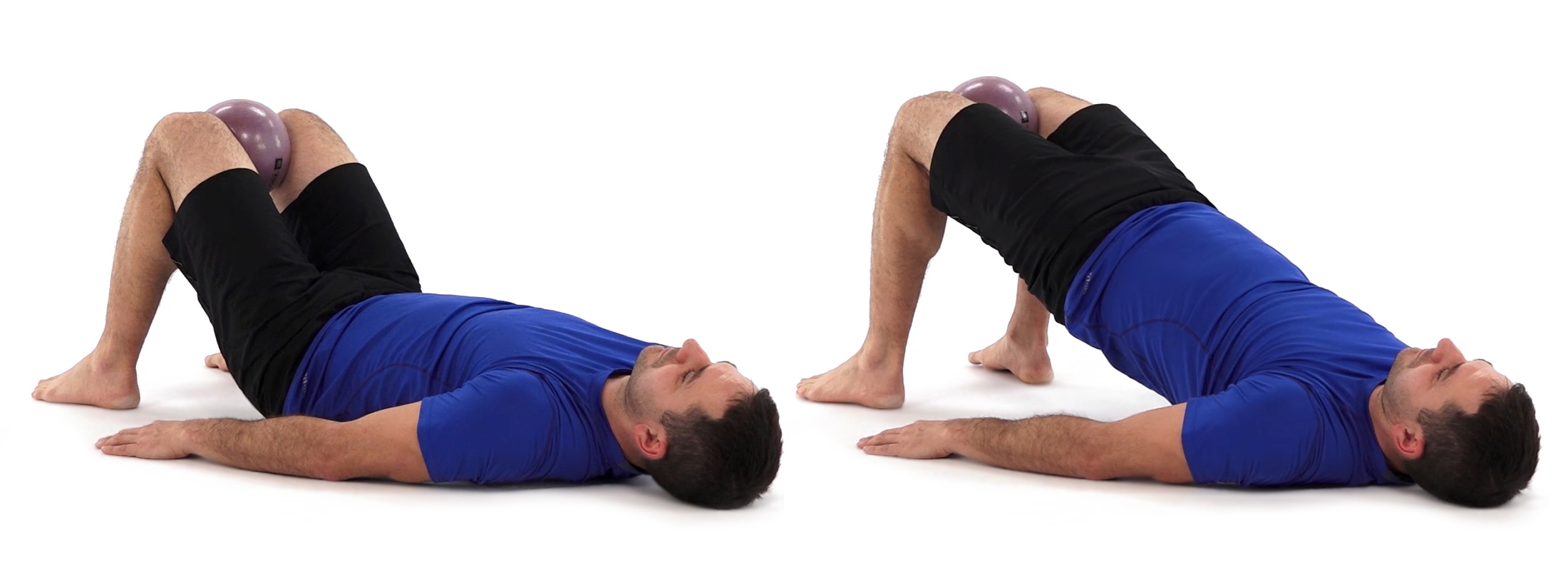
3. Glute bridge with ball squeeze
Repetitions: 10-20
Frequency: 2 times daily (morning and afternoon)
Lie on your back with your knees bent and a ball or pillow between them.
Lift your hips by squeezing your glutes and tightening your tummy, gently squeezing the ball as you rise.
Hold for a few seconds, then lower back down.
When to seek help
If you feel these exercises are making your symptoms worse, take a break. You can also speak to your GP for further help. This doesn’t mean it’s anything too serious. It may be that you need some extra help to deal with the symptoms, and you may be referred to a physiotherapist.
Further support
Living with hip dysplasia impacts all areas of life, so having mental, physical, and peer opinion support can be helpful.
Related services
Musculoskeletal Physiotherapy Outpatients
Treatment plans to manage or improve musculoskeletal conditions, including chronic pain, recovery from surgery, and osteoarthritis.
Musculoskeletal Physiotherapy Outpatients: Go to serviceCommunity Physiotherapy Service (East Berkshire)
Support at home for housebound adults who are unable to attend clinic appointments, including a personalised rehabilitation plan.
Community Physiotherapy Service (East Berkshire): Go to servicePhysiotherapy Service for children and young people
Help for children and young people up to the age of 19 who have difficulties with gross motor skills, including posture and mobility.
Physiotherapy Service for children and young people: Go to serviceTalking Therapies
A free and confidential service offering effective treatment for common mental health problems such as low mood, stress or worry.
Talking Therapies: Go to service