

Overview
A groin strain is a term used to describe pain in the inner thigh or hip, due to overuse or over stretching the hip.
The following advice and exercises may help you manage your groin strain. If you have further pain, please contact your GP for further information.
Signs and symptoms
Groin strains usually occur whilst playing sports involving sudden changes of direction, twisting, turning and kicking, but can also occur by simply slipping on a wet surface.
Symptoms may include:
- pain and tenderness in the groin and inside thigh area
- pain from quick or strong movements to your leg
- pain when you raise your knee or climb the stairs
- groin may be warm to touch
- bruising or swelling in the groin area or inside the thigh
Treating groin strain
In the first 48-72 hours, remember P.O.L.I.C.E.
- Protection: Rest the injured area. Start gentle movement when it feels okay. You may need crutches for a short time.
- Optimal Loading: Begin light, comfortable movements early to help healing and stop stiffness or muscle weakness.
- Ice: Wrap ice or frozen peas in a damp towel. Apply for 15–20 minutes every 2–3 hours. Be careful to monitor for ice burns.
- Compression: Use an elastic bandage. It should feel snug, not tight.
- Elevation: Raise your foot while resting, ideally up to hip level.
Exercises
Complete these gentle exercises little and often to help reduce stiffness and other symptoms. They may be uncomfortable, but they should not significantly increase your symptoms.
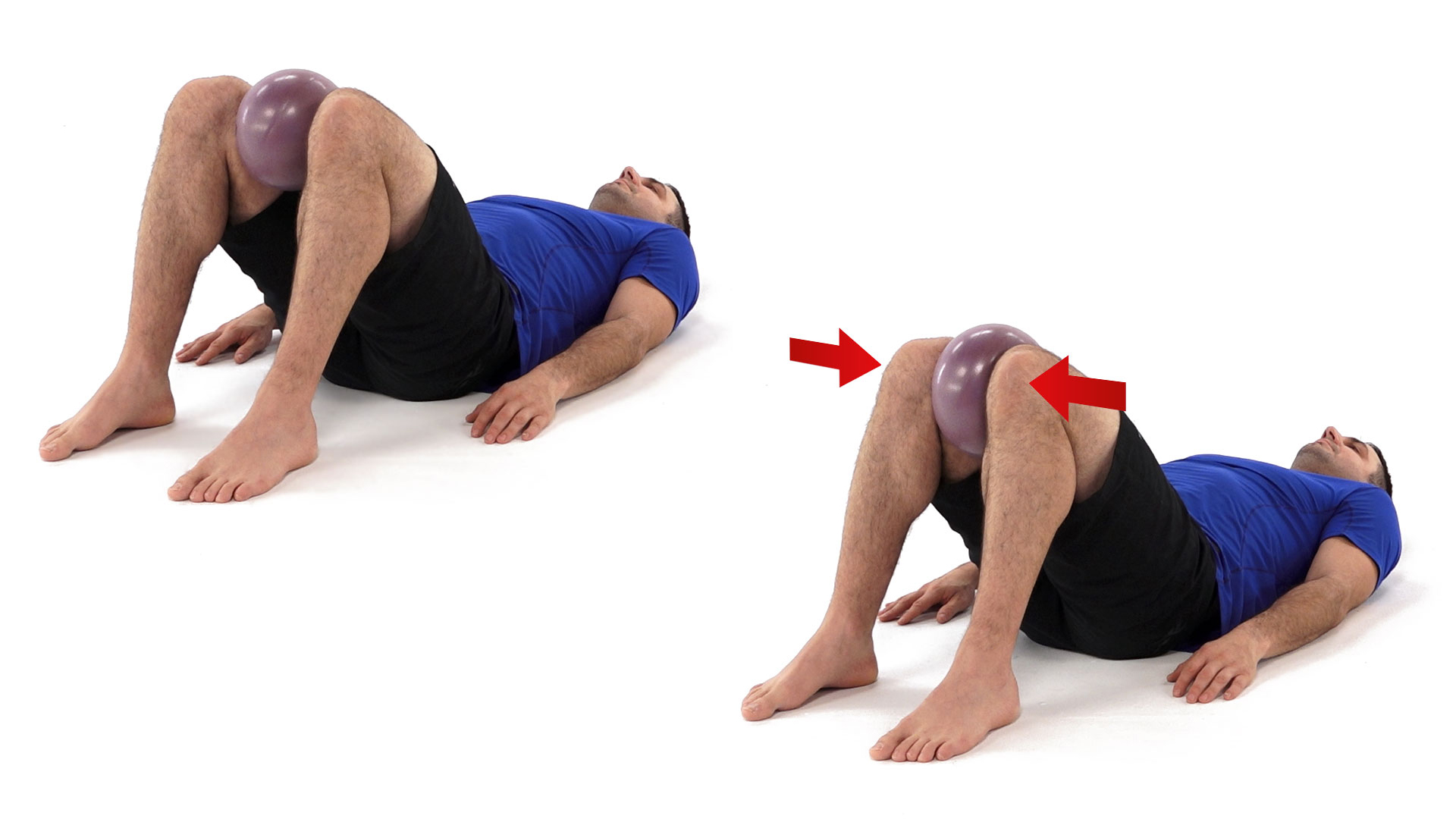
1. Inner thigh squeeze
Repetitions: 10-20
Frequency: 2 times daily (morning and afternoon)
Lie on your back with your knees bent.
Place a ball between your knees, keeping your feet in line with them.
Gently squeeze the ball by pressing your knees together.
Hold for 5 seconds.
Relax and repeat.
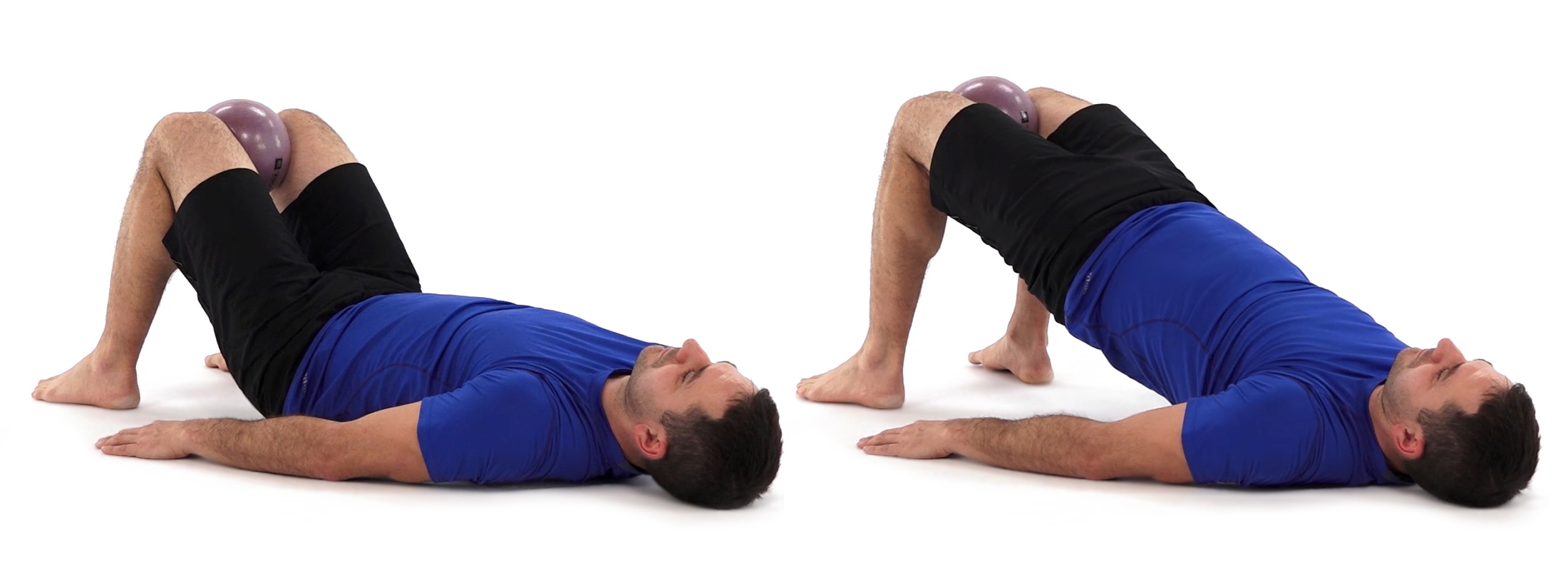
2. Bridge with thigh squeeze
Repetitions: 10-20
Frequency: 2 times daily (morning and afternoon)
Lie on your back with your knees bent and a ball or pillow between them.
Squeeze your glutes and tighten your tummy to lift your hips.
As you rise, gently squeeze the ball between your knees.
Hold for a few seconds, then lower back down.
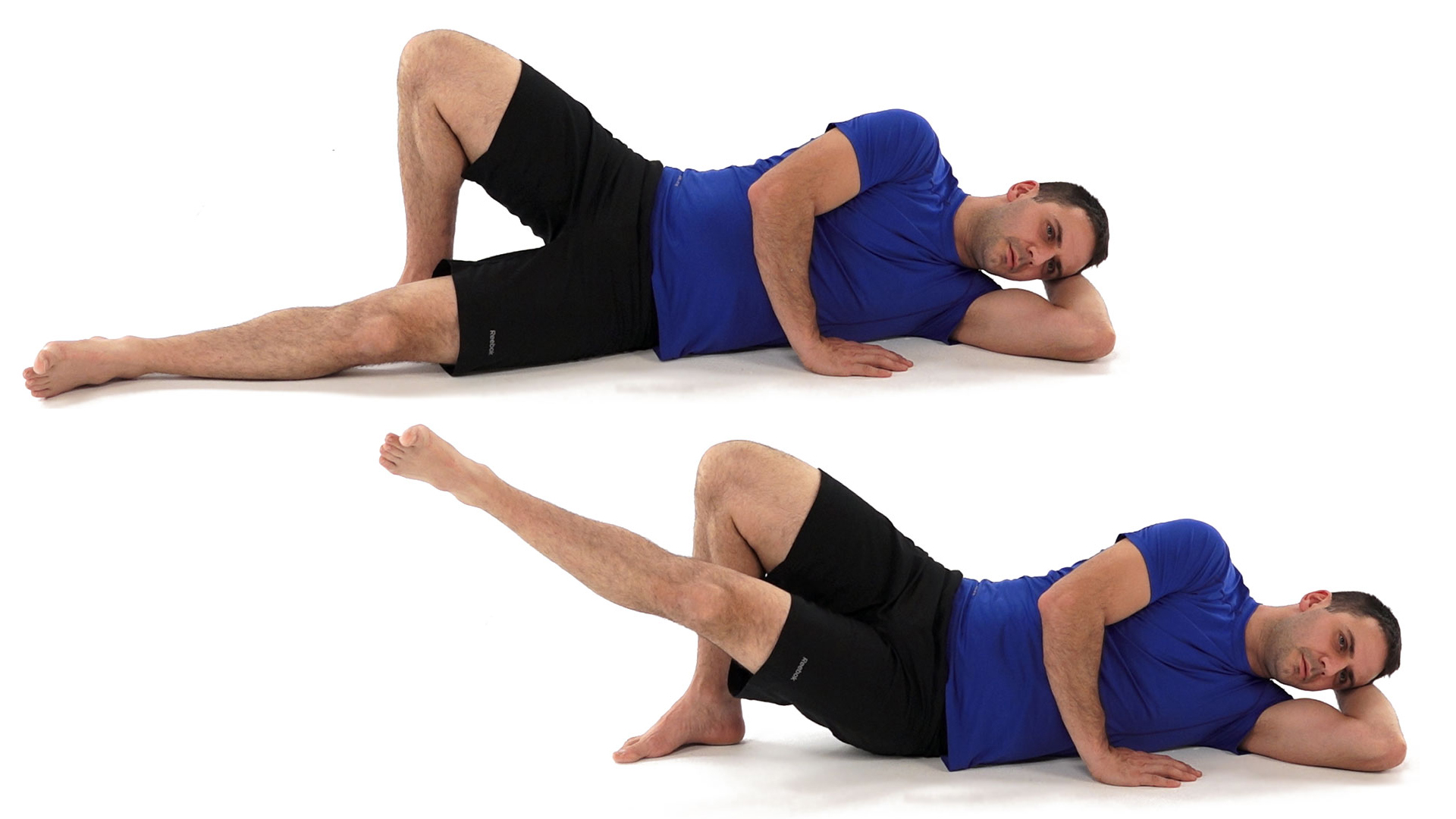
3. Bottom leg lift
Repetitions: 10-20
Frequency: 2 times daily (morning and afternoon)
Lie on your affected side.
Bend your top knee to 90 degrees and keep your affected leg straight in front of you.
Lift the straight leg up while keeping your hips still.
Lower it back down and repeat.
When to seek help
If you feel these exercises are making your symptoms worse, take a break. You can also speak to your GP for further help. This doesn’t mean it’s anything too serious. It may be that you need some extra help to deal with the symptoms, and you may be referred to a physiotherapist.
Related services
Musculoskeletal Physiotherapy Outpatients
Treatment plans to manage or improve musculoskeletal conditions, including chronic pain, recovery from surgery, and osteoarthritis.
Musculoskeletal Physiotherapy Outpatients: Go to serviceCommunity Physiotherapy Service (East Berkshire)
Support at home for housebound adults who are unable to attend clinic appointments, including a personalised rehabilitation plan.
Community Physiotherapy Service (East Berkshire): Go to servicePhysiotherapy Service for children and young people
Help for children and young people up to the age of 19 who have difficulties with gross motor skills, including posture and mobility.
Physiotherapy Service for children and young people: Go to service