

Overview
Frozen shoulder is a condition of the shoulder that involves pain and stiffness.
Frozen shoulder usually goes through three phases — a painful phase, a stiffness phase, and a gradual recovery phase. These phases can last for different lengths of time in different people. Symptoms of a frozen shoulder can last up to 2-4 years.
It most commonly affects people aged 40–60. The exact cause isn’t fully understood. It can develop on its own or sometimes after an injury. The shoulder becomes irritated, leading to pain and reduced movement.
Your GP may arrange an X‑ray to rule out other causes of shoulder pain and stiffness.
Signs and symptoms
In the early stages, frozen shoulder pain can be severe and constant. It’s usually felt in the upper arm but may spread toward the elbow, forearm, or hand. Night‑time pain is common, especially when lying on the affected side.
As the condition progresses, shoulder movement becomes more restricted – particularly twisting movements. This can make it difficult to lift your arm overhead or reach behind your back, which may affect dressing, personal care, and reaching into high cupboards.
Treating frozen shoulder
Managing pain in the early stages
- Pain relief: Anti‑inflammatory tablets or gels, or simple painkillers, may help. Speak to your GP or pharmacist for advice.
- Heat: A warm pack for about 15 minutes can ease pain, especially before exercising. Avoid if you have reduced skin sensation.
- Support at rest: Use a pillow to support your arm when sitting or sleeping. Avoid lying on the painful side – try your back or your opposite side with the arm supported.
- Modify activities: Avoid positions or movements that aggravate your pain until it settles.
- Steroid injection: This may be helpful during the painful phase if other measures are not enough.
- Gentle exercise: Keep the shoulder moving within a comfortable range to prevent further stiffness.
Improving movement as pain settles
Physiotherapy can help improve movement and function during the stiffness phase through tailored exercises and hands‑on treatment.
Exercises
Complete these gentle exercises little and often to help reduce stiffness and other symptoms. They should not be painful.
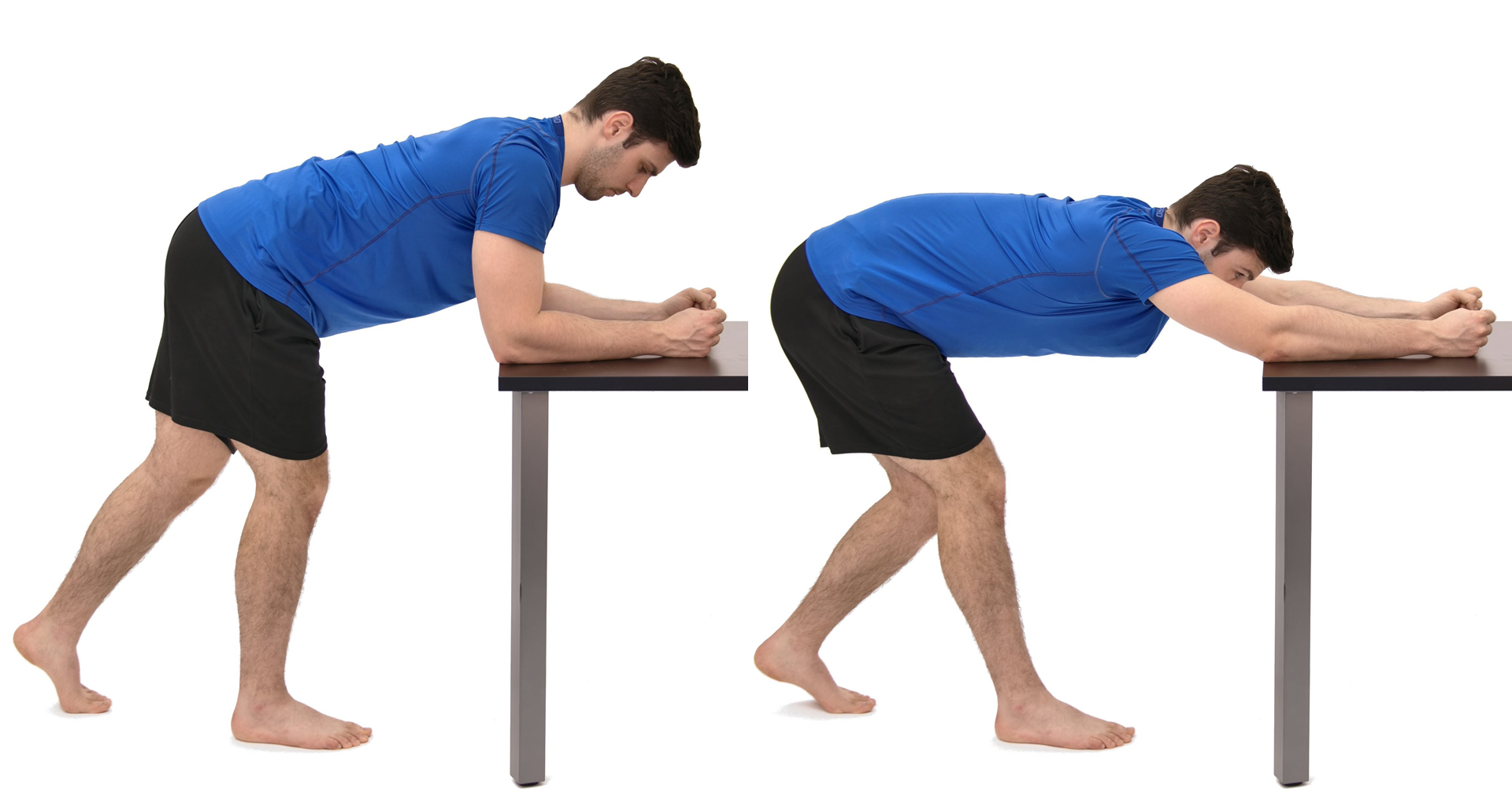
1. Shoulder flexion
Repetitions: 10-20
Frequency: 3-4 times daily
Place your forearms on the edge of a table, shoulder-width apart.
Stand with one foot in front of the other and gently round your back.
Shift your weight backwards to feel a gentle stretch through your arms.
Relax and repeat.
2. Assisted rotation
Repetitions: 10-20
Frequency: 3-4 times daily
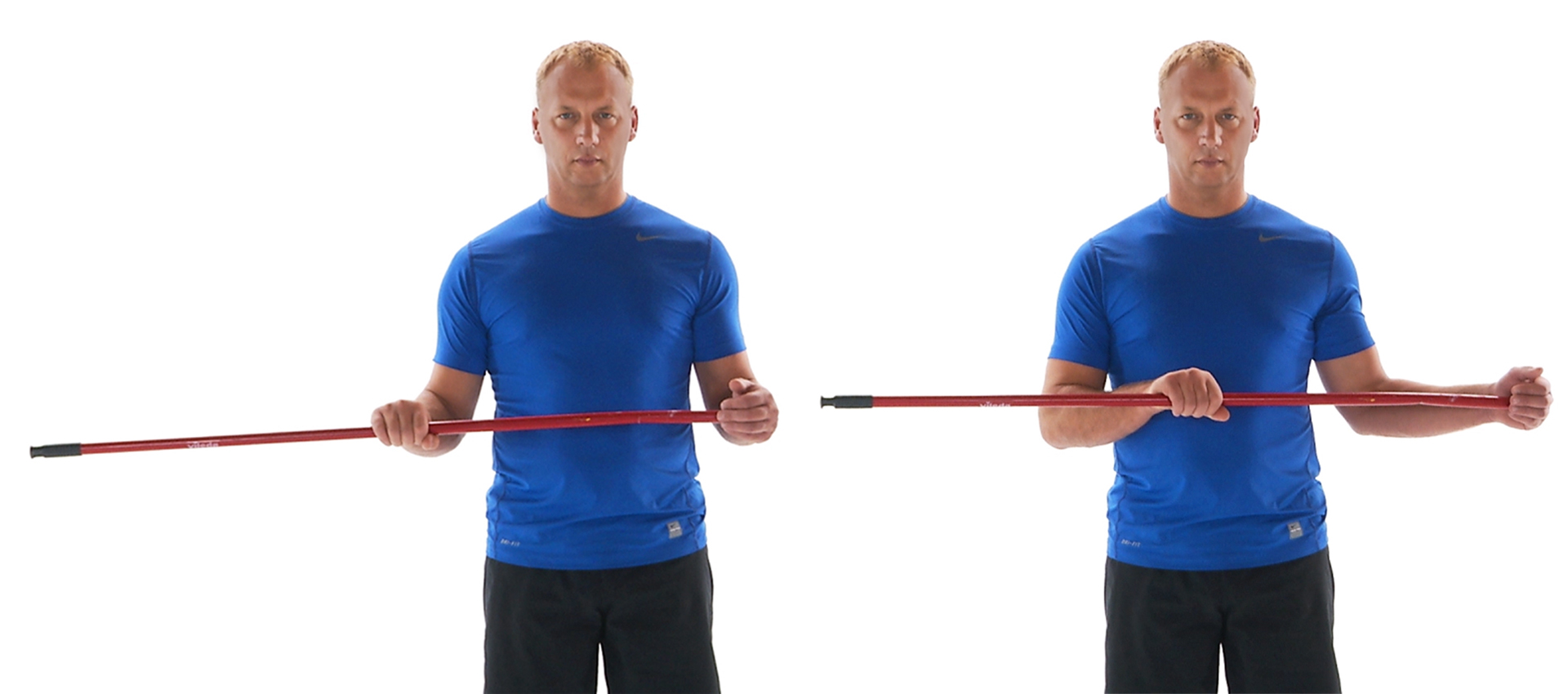
Stand holding a stick with your elbows bent and tucked into your sides.
Gently draw your shoulders back, then rotate your sore arm outward by pushing the stick with your good arm.
Keep your elbow fixed against your body.
Return to the start and repeat.
3. Shoulder rolls
Repetitions: 10-20
Frequency: 3-4 times daily
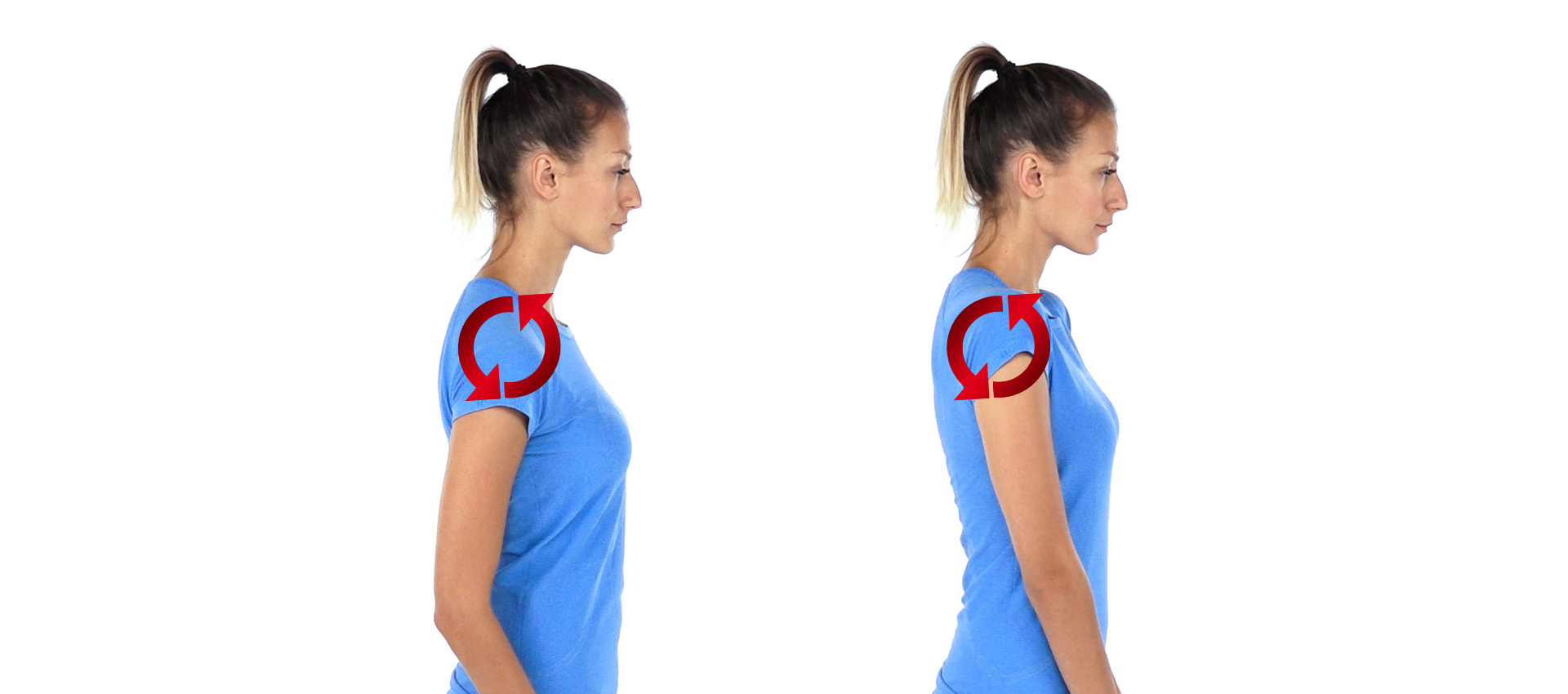
Sit or stand tall with your arms relaxed by your sides.
Gently lift your shoulders up toward your ears.
Roll them backwards in a smooth circular motion.
When to seek help
If you feel these exercises are making your symptoms worse, take a break. You can also speak to your GP for further help. This doesn’t mean it’s anything too serious. It may be that you need some extra help to deal with the symptoms, and you may be referred to a physiotherapist.
Related services
Musculoskeletal Physiotherapy Outpatients
Treatment plans to manage or improve musculoskeletal conditions, including chronic pain, recovery from surgery, and osteoarthritis.
Musculoskeletal Physiotherapy Outpatients: Go to serviceCommunity Physiotherapy Service (East Berkshire)
Support at home for housebound adults who are unable to attend clinic appointments, including a personalised rehabilitation plan.
Community Physiotherapy Service (East Berkshire): Go to servicePhysiotherapy Service for children and young people
Help for children and young people up to the age of 19 who have difficulties with gross motor skills, including posture and mobility.
Physiotherapy Service for children and young people: Go to service