

Advice and treatment
A Colles fracture is a break in the radius bone of the forearm, just above the wrist.
Your wrist has been in plaster so that the bone ends can stay in the position and be protected while healing.
You may experience the following common effects when the plaster is removed.
Dry and flaky skin
Twice a day, (if there are no unhealed areas) soak your hand in warm, dry well, and then massage with a moisturising cream e.g. E45, Aqueous, Nivea, to remove dry skin, improve the circulation and reduce any swelling.
Swelling
Repeat the following regularly during the day to help reduce hand and wrist swelling.
- Elevate the hand, limit hanging the hand down by your side
- Pumping the hand regularly, raising and lowering the arm
- Apply frozen peas, in a damp towel, for up to 10 minutes – but do not place ice directly onto your skin. Do not use if you have any changes in sensation in your hand or wrist.
Pain
Pain can persist for up to a year after a fracture, though it should slowly reduce over time.
Should the pain be severe or continuous, contact your GP for some prescribed pain relief.
Weakness of grip
Grip strength is always reduced when you first come out of plaster because you haven’t used your hand fully for a while, and the muscles are weakened. Start with light activities to begin
using your hand as normal as possible. Be guided by your paint and avoid any heavy lifting or carrying activities until your grip is stronger.
Stiffness
It is normal for your joint to be stiff as it has been immobilised in the plaster for several weeks.
You may also find that your shoulder, elbow, fingers, or thumb are stiff after weeks without exercise.
Early mobility exercises
Try these exercises 2-3 times a day, repeating them 10 times each time. Stretching is normal, but if any are causing pain, stop them.
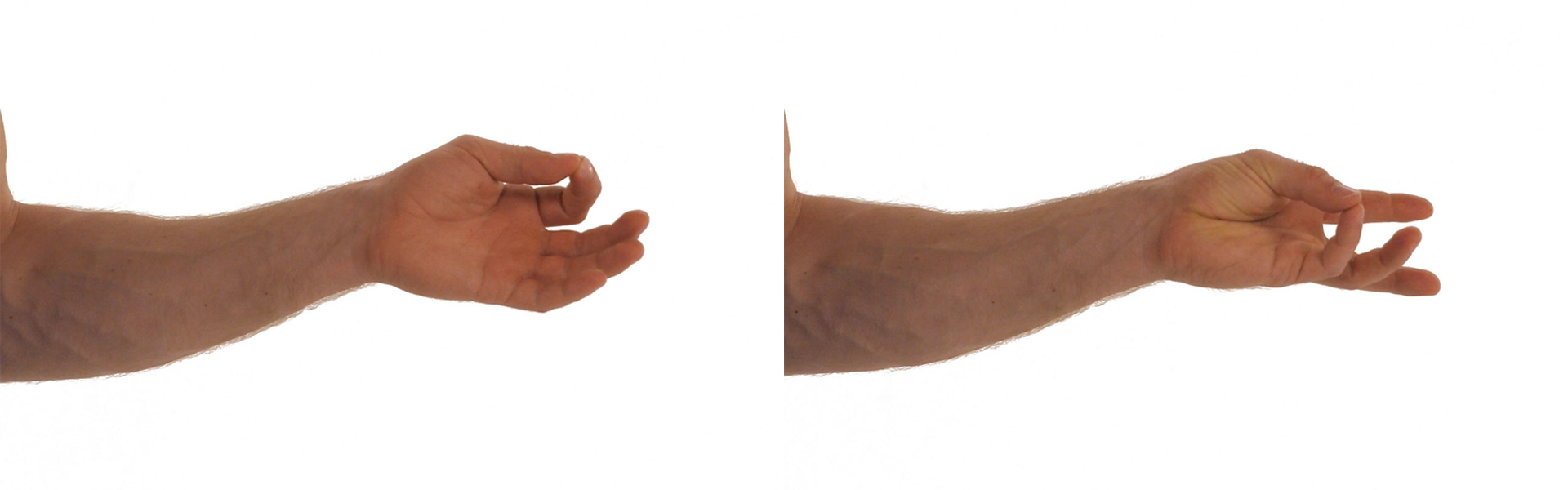
Thumb/finger opposition
Touch thumb to each fingertip in turn, stretching away from the fingers in between.
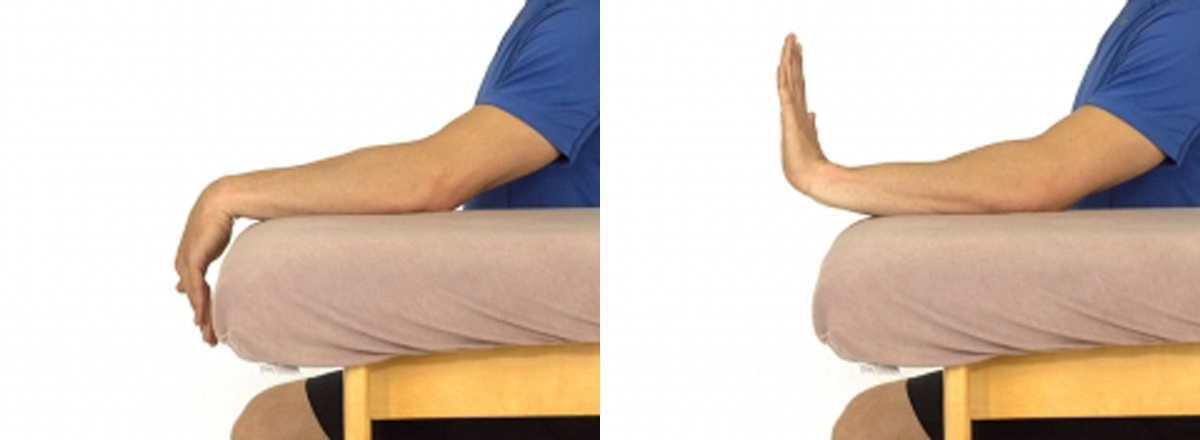
Wrist extension
Support your forearm on a table with your hand overhanging.
Move your hand up and down.
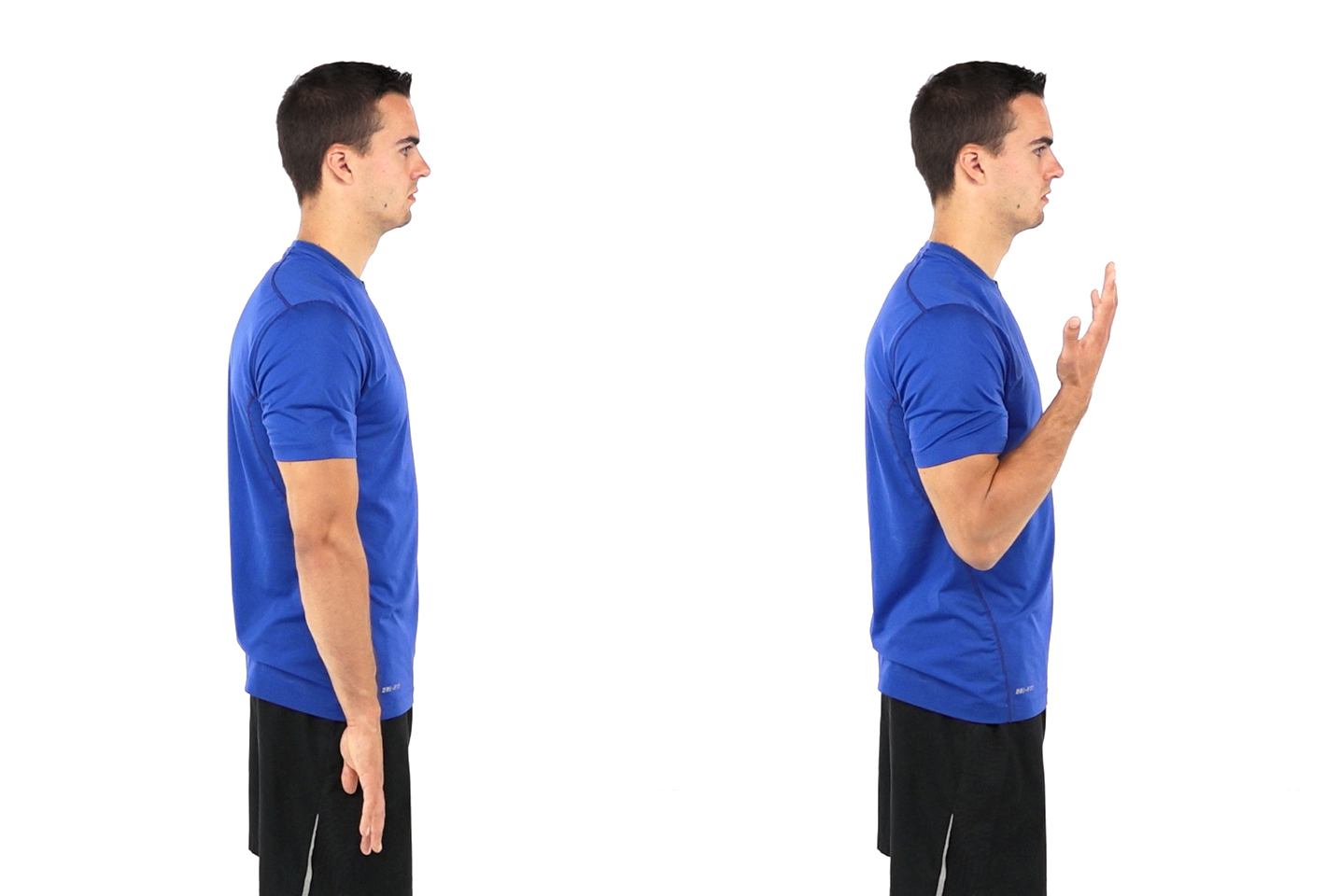
Elbow flexion/supination
Stand and bend your elbow and then straighten your elbow.
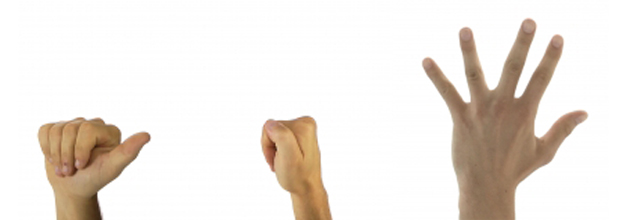
Fist to straight
Support your elbow on a table with your wrist straight and your fingers pointing towards the ceiling.
Make a fist (thumb over fingers).
Straighten your fingers and bring them apart.
Wrist deviation without gravity
Forearm supported on table, hold fingers and wrist straight.
Bend wrist first towards the little finger and then towards the thumb.
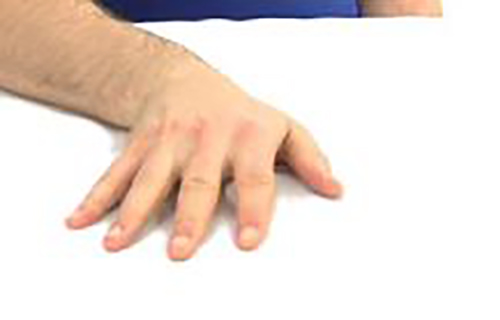
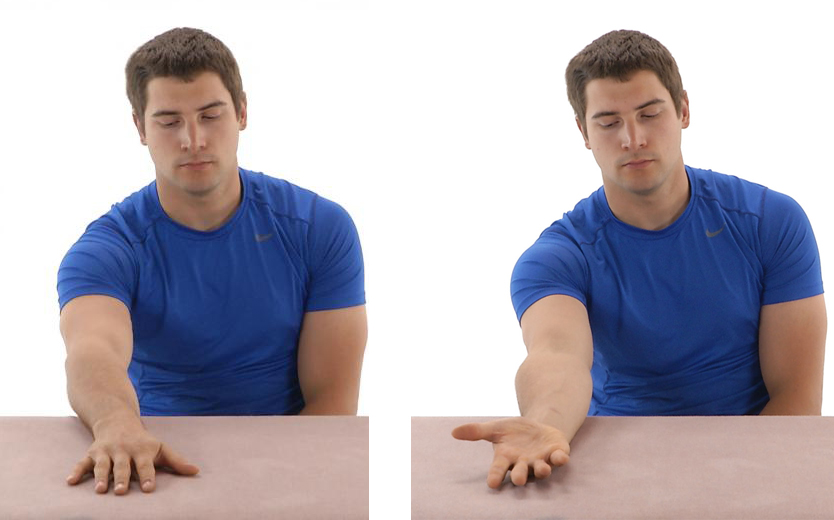
Active forearm supination/pronation
Forearm on a table, turn palm up and down, keeping elbow still.
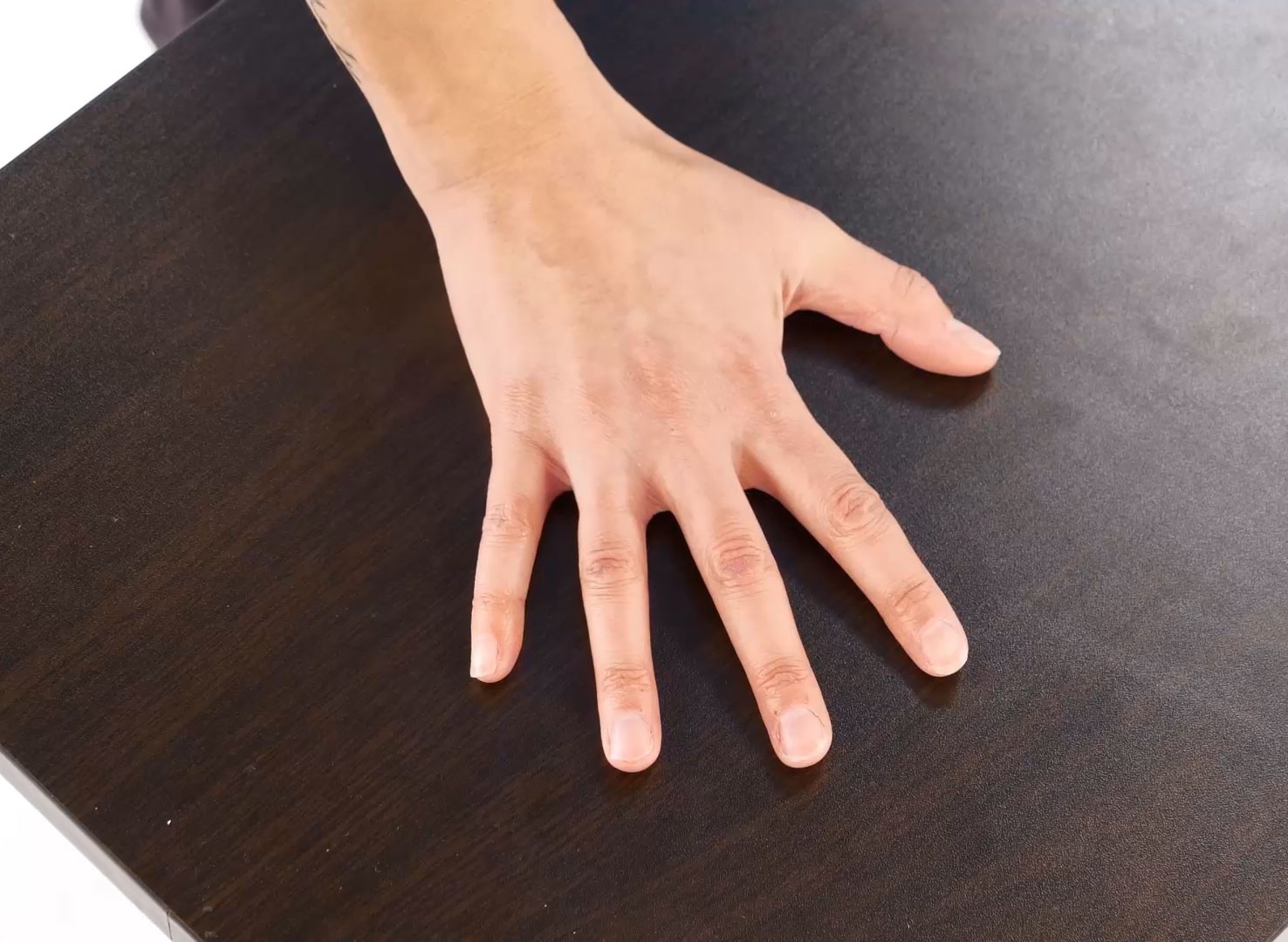
Supported finger abduction
Palm on a table, spread fingers and bring them together.
Supported ball squeeze
Support your forearm on a table and hold a soft ball or sponge.
Squeeze the ball or sponge, hold for 5 seconds and relax.
When to seek help
If you feel these exercises are making your symptoms worse, take a break. You can also speak to your GP for further help. This doesn’t mean it’s anything too serious. It may be that you need some extra help to deal with the symptoms, and you may be referred to a physiotherapist.
Related services
Musculoskeletal Physiotherapy Outpatients
Treatment plans to manage or improve musculoskeletal conditions, including chronic pain, recovery from surgery, and osteoarthritis.
Musculoskeletal Physiotherapy Outpatients: Go to serviceCommunity Physiotherapy Service (East Berkshire)
Support at home for housebound adults who are unable to attend clinic appointments, including a personalised rehabilitation plan.
Community Physiotherapy Service (East Berkshire): Go to servicePhysiotherapy Service for children and young people
Help for children and young people up to the age of 19 who have difficulties with gross motor skills, including posture and mobility.
Physiotherapy Service for children and young people: Go to service