

What is carpal tunnel syndrome?
Carpal tunnel syndrome is a condition that affects the hand and wrist. It happens when a major nerve in the wrist, called the median nerve, becomes squeezed or irritated as it passes through a narrow space known as the carpal tunnel.
The carpal tunnel is a small passageway in your wrist made up of wrist bones at the bottom a strong band of tissue on top. The median nerve and several tendons run through this space.
Common causes and risk factors
- Repetitive hand or wrist movements – Activities such as typing, using tools, or repetitive gripping can irritate the tendons and increase pressure in the tunnel.
- Wrist position – Working with the wrist bent forwards or backwards for long periods can increase pressure on the nerve.
- Swelling or inflammation – Conditions like arthritis, diabetes, or thyroid problems can
cause swelling around the tendons, reducing space in the tunnel. - Fluid retention – Pregnancy or hormonal changes can lead to extra fluid in the tissues, which may temporarily compress the nerve.
- Injury to the wrist – Fractures, sprains, or previous surgery can change the shape of
the tunnel.
Treating carpal tunnel syndrome
Symptoms can improve in a few months, but treatment and a full recovery can take time.
What you can do
- Rest and activity changes – Avoid repetitive bending, strong gripping, or vibrating tools. Take breaks and alternate heavy tasks with lighter ones.
- Check your desk setup – Keep keyboard and mouse close and at elbow height. Rest forearms lightly and keep wrists straight.
- Night splint – Wear a wrist splint at night to keep your wrist straight. It may take 6 weeks to notice improvement.
- Pain relief – Paracetamol or ibuprofen can help short‑term pain
(follow GP or label advice).
Exercises
The following exercises may help by gently gliding the nerve through the carpal tunnel. They may initially bring on mild symptoms, but this should ease quickly. If you feel your pain is getting worse, take the time to seek advise from your GP or physiotherapist.
1. Stretching wrist flexors
Repetitions: 10-20
Frequency: 2-3 times daily
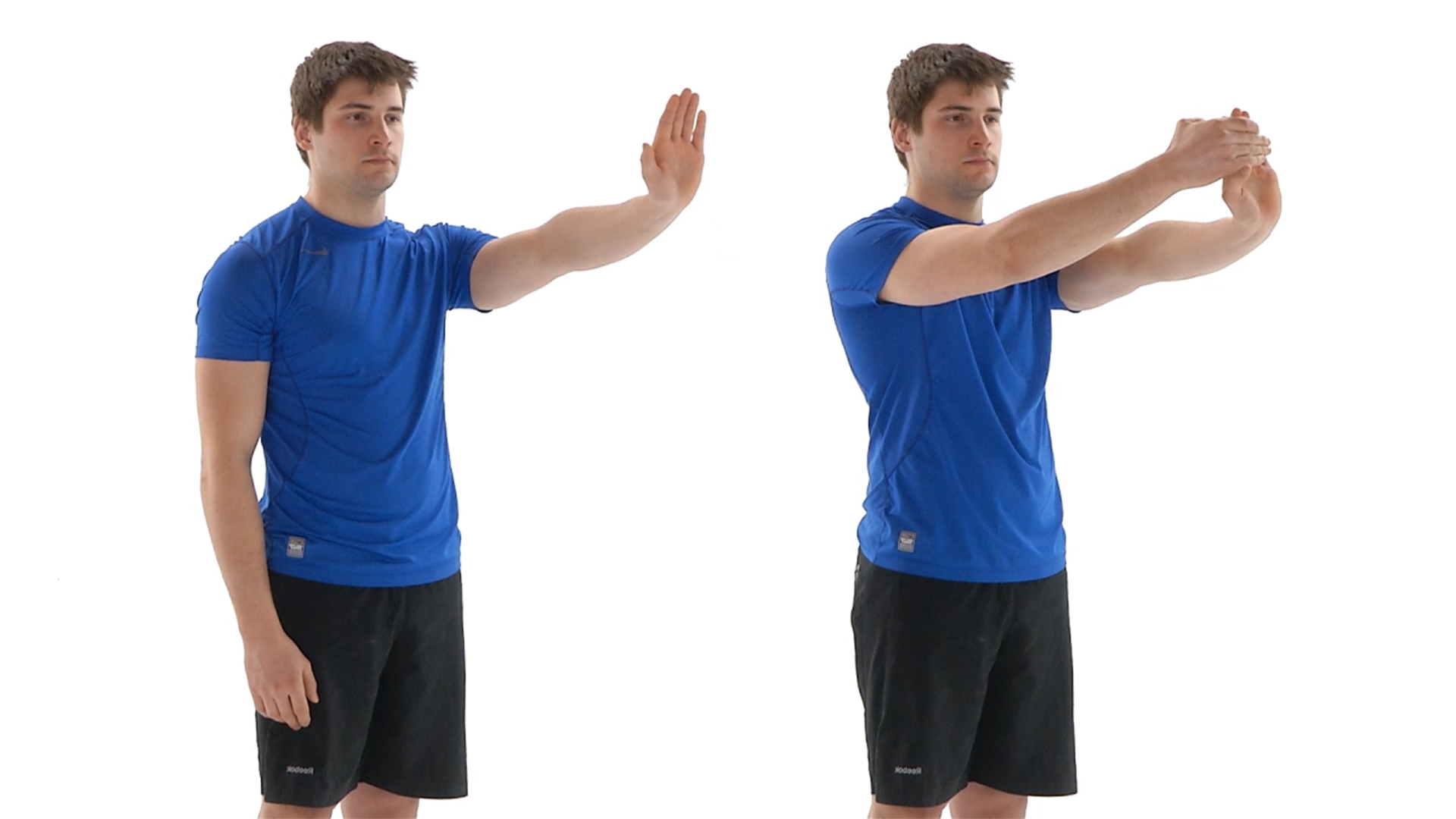
Hold the palm of one hand with the other hand while keeping your elbow straight on the affected arm and pull your hand back gently to feel a stretch in the forearm.
2. Tendon gliding combo
Repetitions: 10-20
Frequency: 2-3 times daily
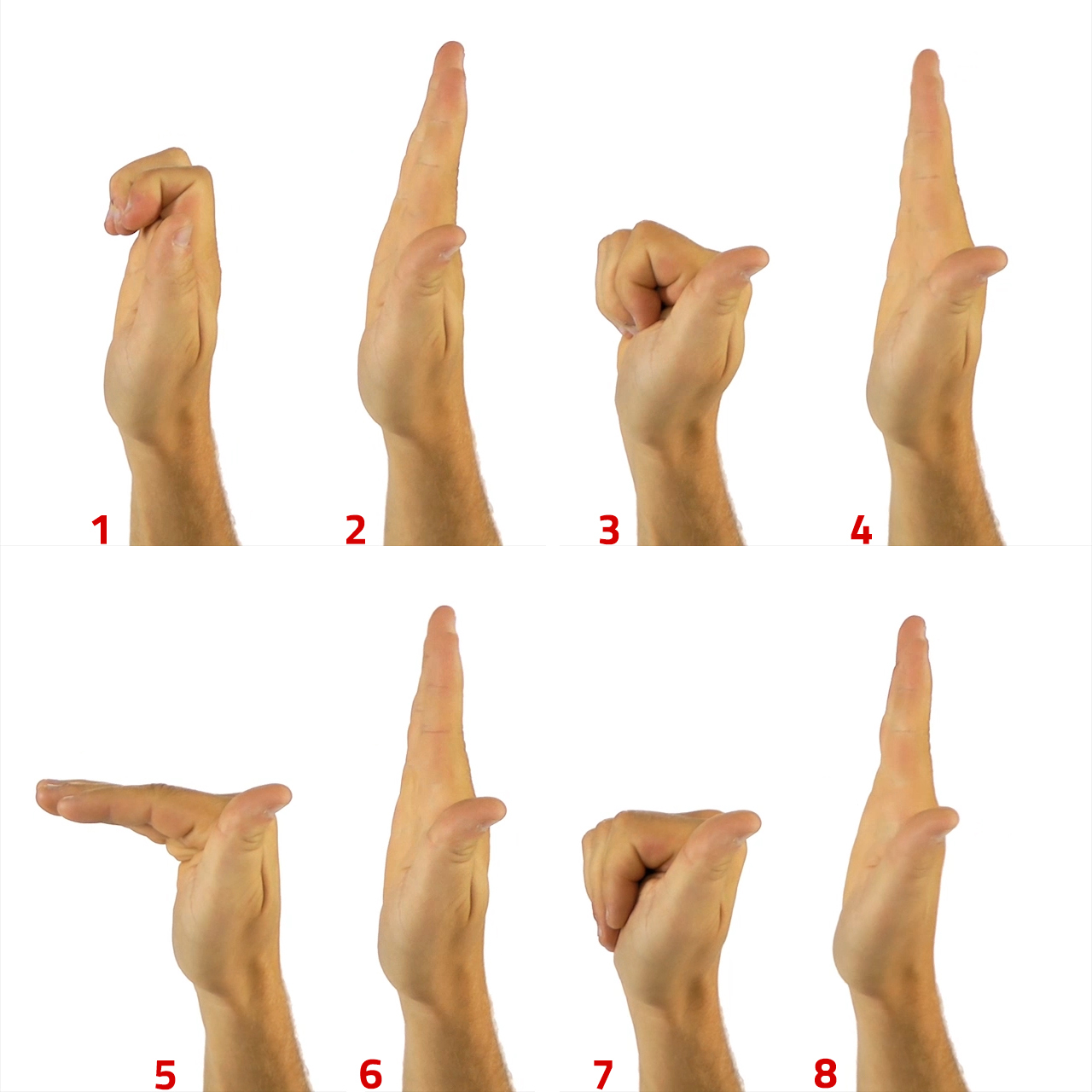
Start with your hand straight, fingers extended, and wrist in line with your forearm. Move into each position one at a time, returning to the starting position between each step:
- Bend only the last two finger joints (middle and end joints).
- Curl your fingers into a fist (leave the thumb out).
- Bend only your big knuckles (where fingers meet the hand) to make a right angle between your fingers and your palm.
- Bend your fingers forward as one straight line to form a right angle at the knuckles, then bend the tip joints so your fingertips come straight into your palm while the middle and end joints aligned.
3. Median nerve flossing
Repetitions: 10-20
Frequency: 2-3 times daily
Stand with your arm out to the side (in a position that does cause symptoms).
Gently bend your wrist back while tilting your head towards the same shoulder.
Relax and repeat.

When to seek help
If you feel these exercises are making your symptoms worse, take a break. You can also speak to your GP for further help. This doesn’t mean it’s anything too serious. It may be that you need some extra help to deal with the symptoms, and you may be referred to a physiotherapist.
Related services
Musculoskeletal Physiotherapy Outpatients
Treatment plans to manage or improve musculoskeletal conditions, including chronic pain, recovery from surgery, and osteoarthritis.
Musculoskeletal Physiotherapy Outpatients: Go to serviceCommunity Physiotherapy Service (East Berkshire)
Support at home for housebound adults who are unable to attend clinic appointments, including a personalised rehabilitation plan.
Community Physiotherapy Service (East Berkshire): Go to serviceTalking Therapies
A free and confidential service offering effective treatment for common mental health problems such as low mood, stress or worry.
Talking Therapies: Go to service