

About the condition
Ankle sprains are a common injury, particularly with some exercises like running. It’s an injury to the ankle which normally involves rolling the foot inwards or outwards more than your normal movement. In most cases, the ligaments on the outside of the ankle will be injured.
Signs and symptoms
Typically, symptoms of ankle sprains include:
- tender or painful to touch
- reduced range of movement of the ankle due to pain and stiffness, causing a limp
- varying degrees of swelling and/or bruising
Treating an ankle sprain
In the first 48-72 hours, remember P.O.L.I.C.E.
- Protection: Rest the injured area. Start gentle movement when it feels okay. You may need crutches for a short time.
- Optimal Loading: Begin light, comfortable movements early to help healing and stop stiffness or muscle weakness.
- Ice: Wrap ice or frozen peas in a damp towel. Apply for 15–20 minutes every 2–3 hours. Be careful to monitor for ice burns.
- Compression: Use an elastic bandage. It should feel snug, not tight.
- Elevation: Raise your foot while resting, ideally up to hip level.
Exercises
Complete these gentle exercises little and often to help reduce stiffness and other symptoms. They may be uncomfortable, but they should not significantly increase your symptoms.
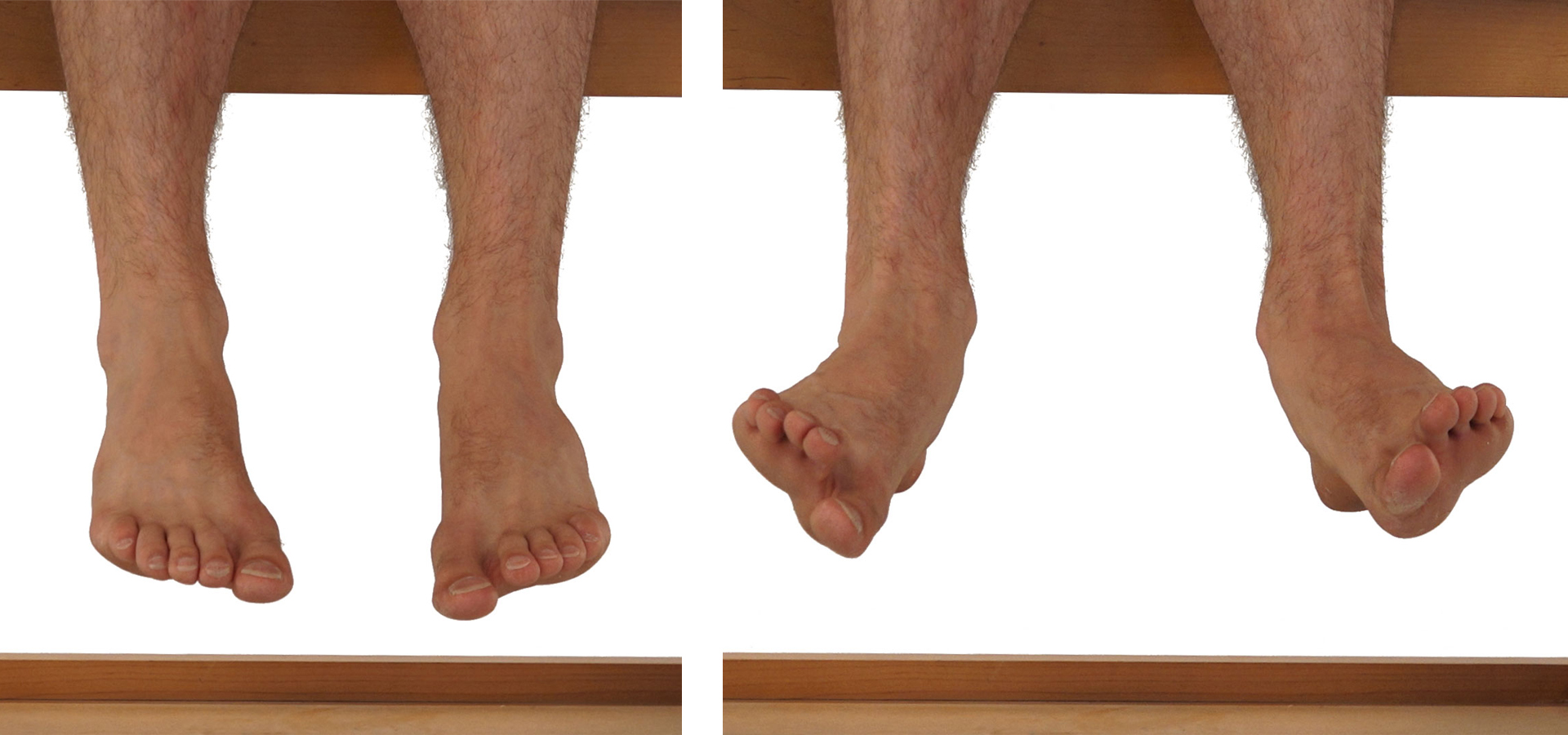
1. Foot outward turn
Repetitions: 10-20
Frequency: 2 times daily (morning and afternoon)
Sit with your feet hanging freely.
Without moving your knees, gently turn the soles of your feet outward.
Bring them back to the middle and repeat.
To make it harder, loop an elastic band around your forefeet and repeat the movement.
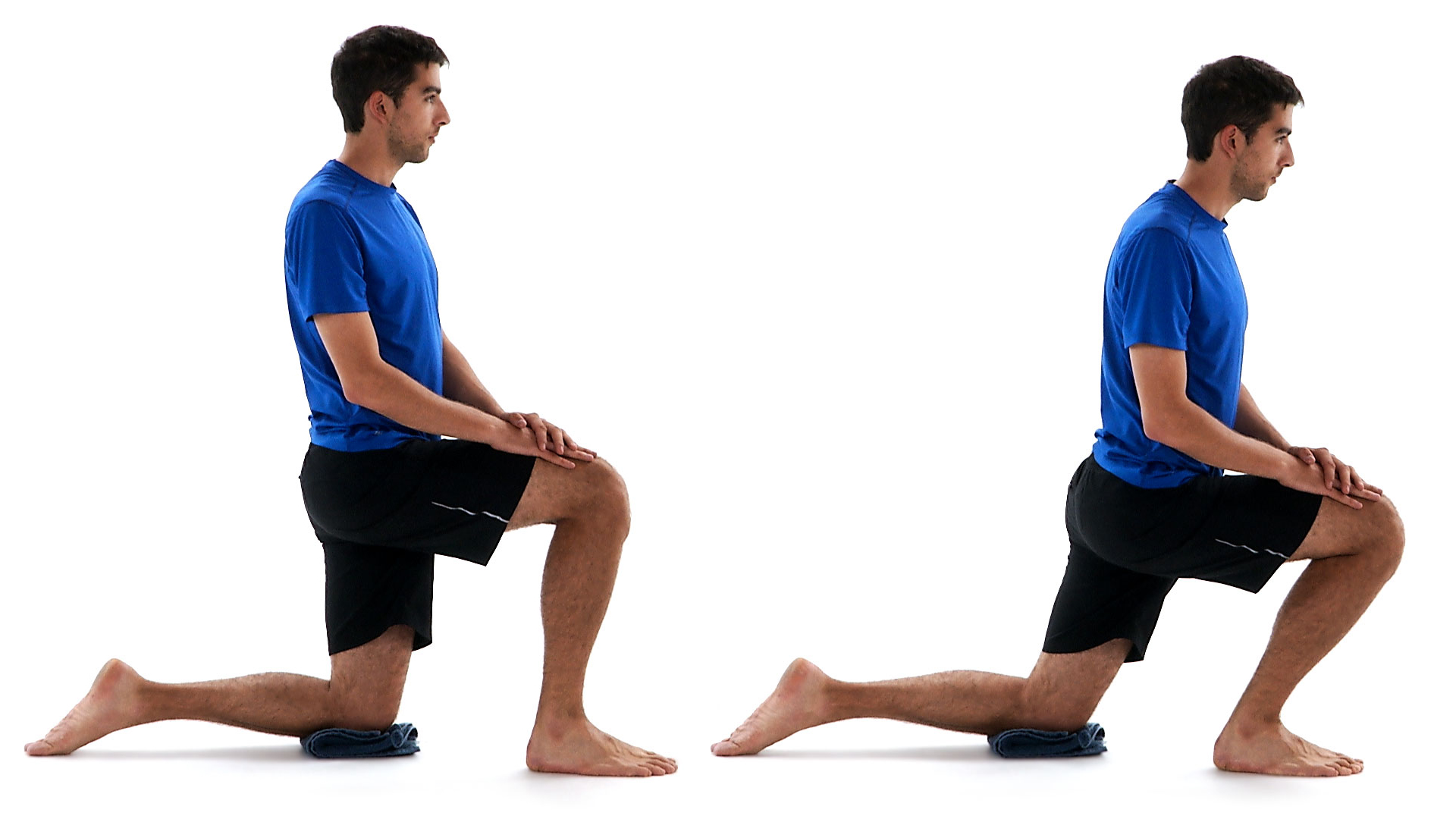
2. Ankle dorsiflexion
Repetitions: 10-20
Frequency: 2 times daily (morning and afternoon)
Kneel on one knee with the other foot in front.
Gently shift your weight forward, bringing your front knee forward as far as your can without lifting your heel.
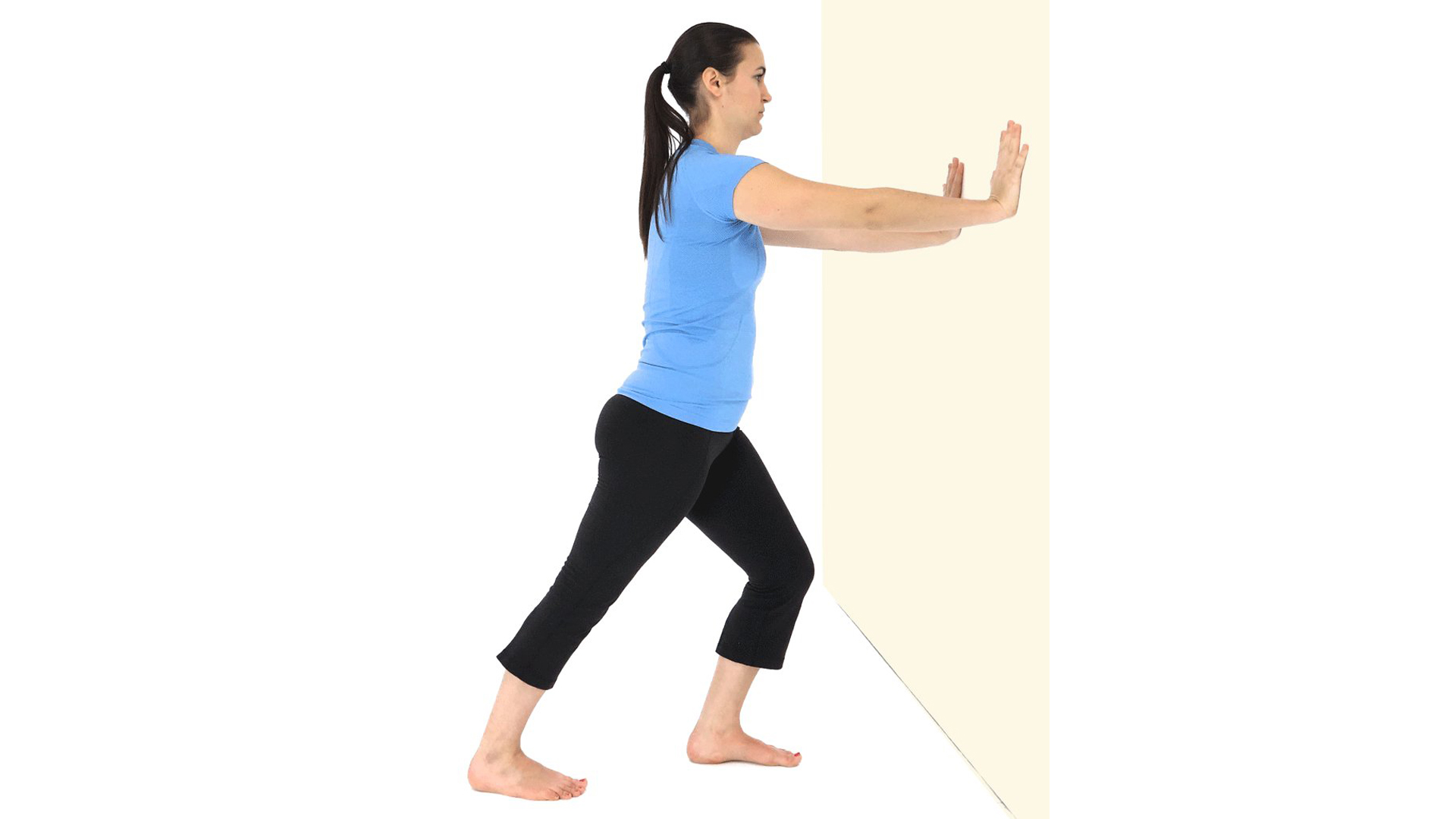
3. Calf stretching
Repetitions: 10-20
Frequency: 2 times daily (morning and afternoon)
Stand in a split stance and use a chair or wall for support.
Keep both feet pointed forward and bend your front knee until you feel a stretch in your back calf.
Keep your back heel on the floor during this.
Hold for a few moments.
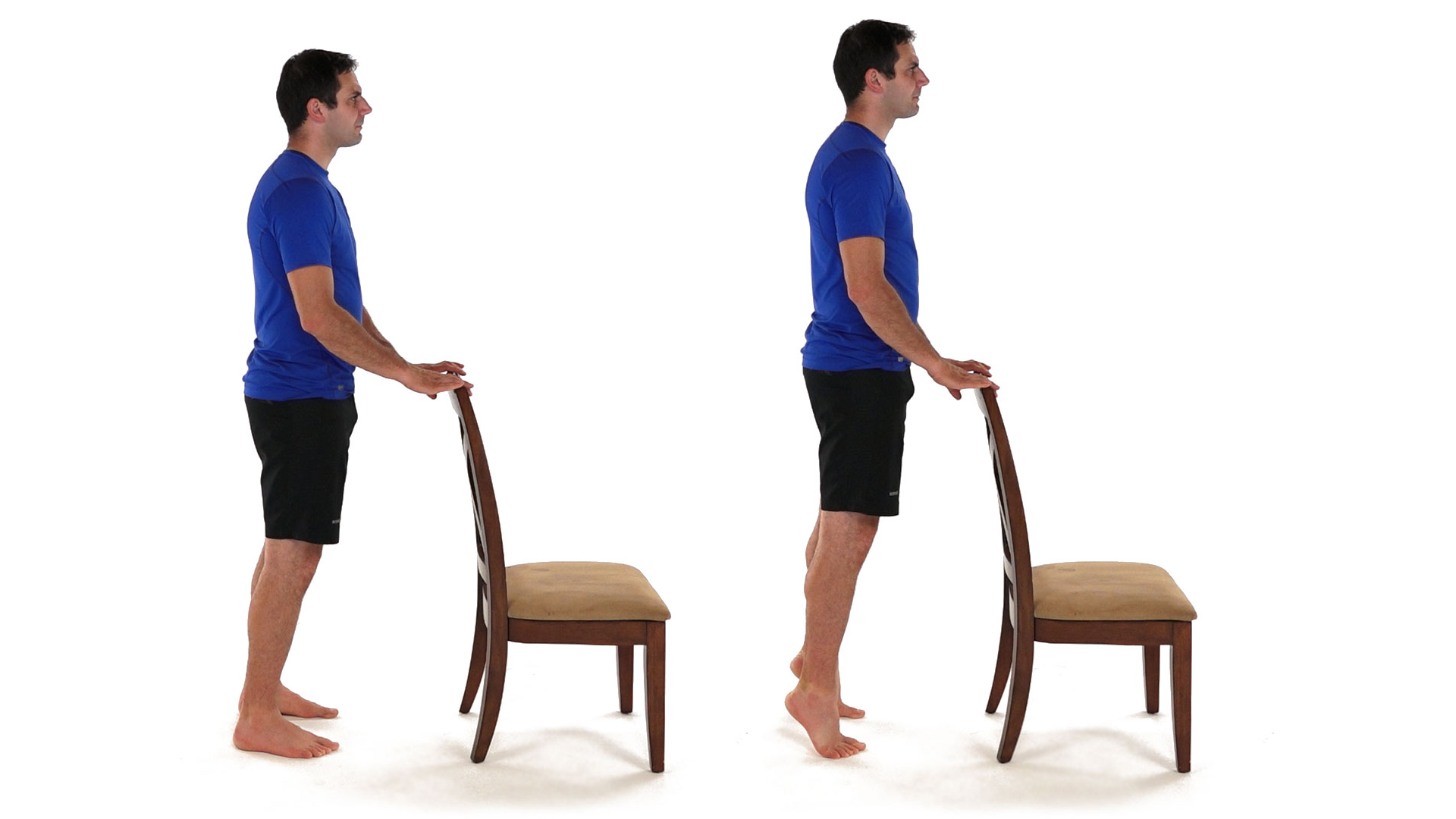
4. Heel raises
Repetitions: 10-20
Frequency: 2 times daily (morning and afternoon)
Stand on both feet and hold a chair or table for support.
Rise up onto your tiptoes, keeping your knees straight.
Lower your heels back down slowly.
Repeat.
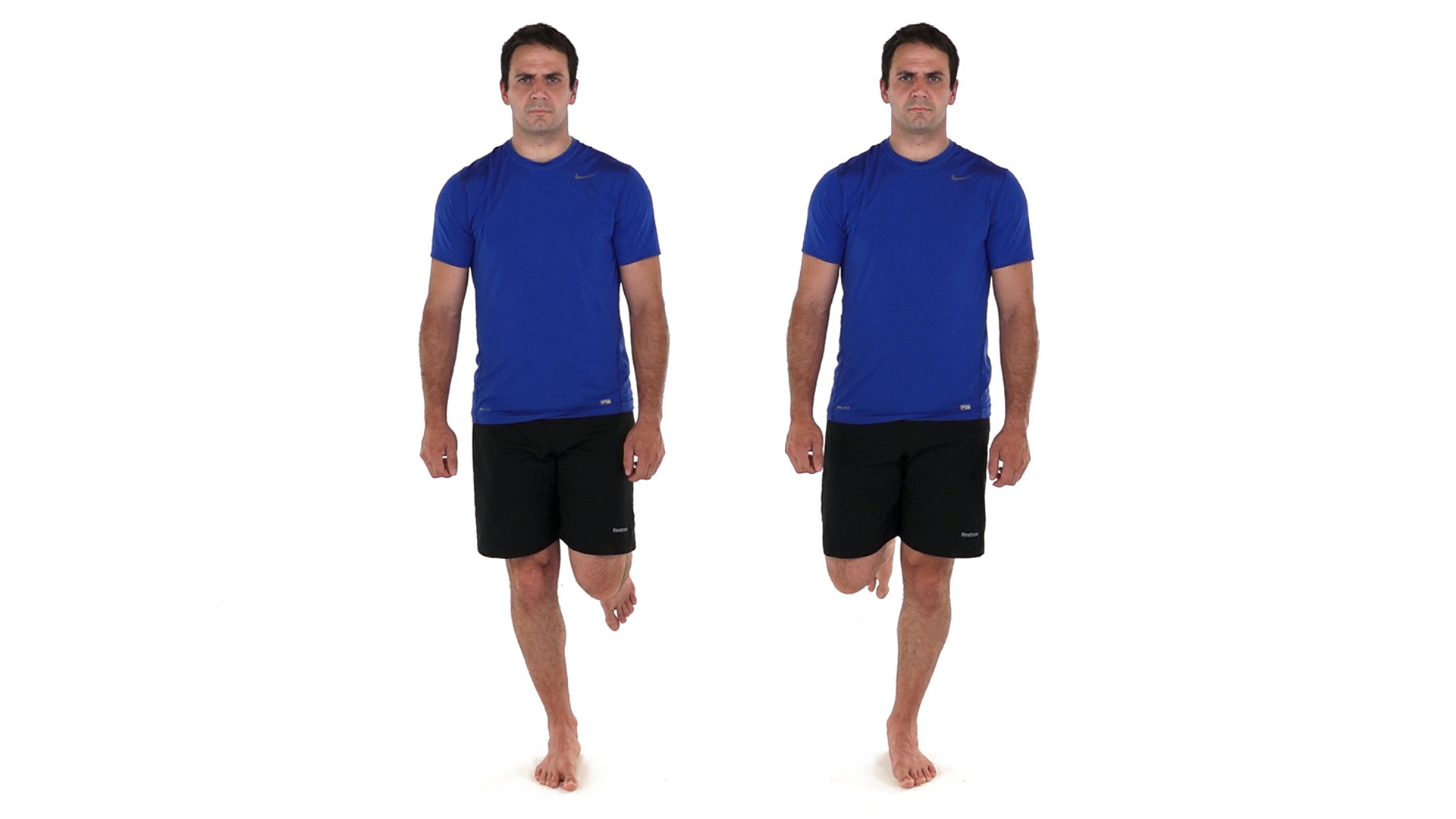
5. Balance
Repetitions: 10-20
Frequency: 2 times daily (morning and afternoon)
Balance on one leg.
To make this more challenging, close your eyes.
When to seek help
If you feel these exercises are making your symptoms worse, take a break. You can also speak to your GP for further help. This doesn’t mean it’s anything too serious. It may be that you need some extra help to deal with the symptoms, and you may be referred to a physiotherapist.
Related services
Musculoskeletal Physiotherapy Outpatients
Treatment plans to manage or improve musculoskeletal conditions, including chronic pain, recovery from surgery, and osteoarthritis.
Musculoskeletal Physiotherapy Outpatients: Go to serviceCommunity Physiotherapy Service (East Berkshire)
Support at home for housebound adults who are unable to attend clinic appointments, including a personalised rehabilitation plan.
Community Physiotherapy Service (East Berkshire): Go to serviceTalking Therapies
A free and confidential service offering effective treatment for common mental health problems such as low mood, stress or worry.
Talking Therapies: Go to service