

What is the Achilles tendon?
The Achilles tendon is the largest and strongest tendon in your body. It sits at the back of your lower leg and connects your calf muscles to your heel bone. You use it every time you push off the ground – like when you walk, run, or rise onto your tiptoes.
What is Achilles tendinopathy?
Achilles tendinopathy happens when the tendon becomes irritated because it’s not coping well with the amount of load or strain placed on it. This can lead to tiny repeated injuries within the tendon. The tendon tries to heal, but sometimes the healing doesn’t fully complete, causing ongoing pain and stiffness.
Common symptoms of Achilles tendinopathy
- Morning stiffness: The tendon often feels stiff first thing in the morning, usually easing after a few minutes of walking.
- Tenderness: The tendon may feel sore when pressed or squeezed and may appear swollen. Some people notice a slight clicking feeling as they move the ankle.
- Variable pain: Some people can continue exercising and find the pain settles during activity but returns afterward. Others experience stronger pain that stops them from exercising or doing normal activities.
Risk factors
Achilles tendinopathy can develop for many reasons – not just from doing too much exercise. Common risk factors include:
- being over the age of 30
- being male
- having a higher body weight
- diabetes
- tight or weak calf muscles/ poor endurance or control around the hip and knee/ stiff foot or ankle joints
Training-related risks
Certain training habits can also increase your chances of developing symptoms:
- wearing old or unsupportive footwear
- sudden changes in training, such as increasing intensity or frequency too quickly
- repeating the same type of training without variation
- excessive hill running, which puts extra load on the tendon
Treating Achillies tendinopathy
Physiotherapy
A strengthening exercise programme is the ‘gold standard’ for treatment of this condition, and it can take several months to see significant improvements.
You will be seen on a regular basis by your physiotherapist to support you with the programme. They may use other treatments as well, including stretches and manual techniques.
What you can do
- Apply ice in a damp tea towel (15 mins three times per day).
- Take paracetamol or anti-inflammatories, such as ibuprofen.
- Rest, but maintain fitness using exercise that is low impact, such as swimming or cycling.
- Trialling heel raises in your shoes to offload the tendon.
Exercises
Complete these gentle exercises once daily for 2 -3 rounds of as many as your pain allows. They may be uncomfortable, but they should not significantly increase your symptoms.
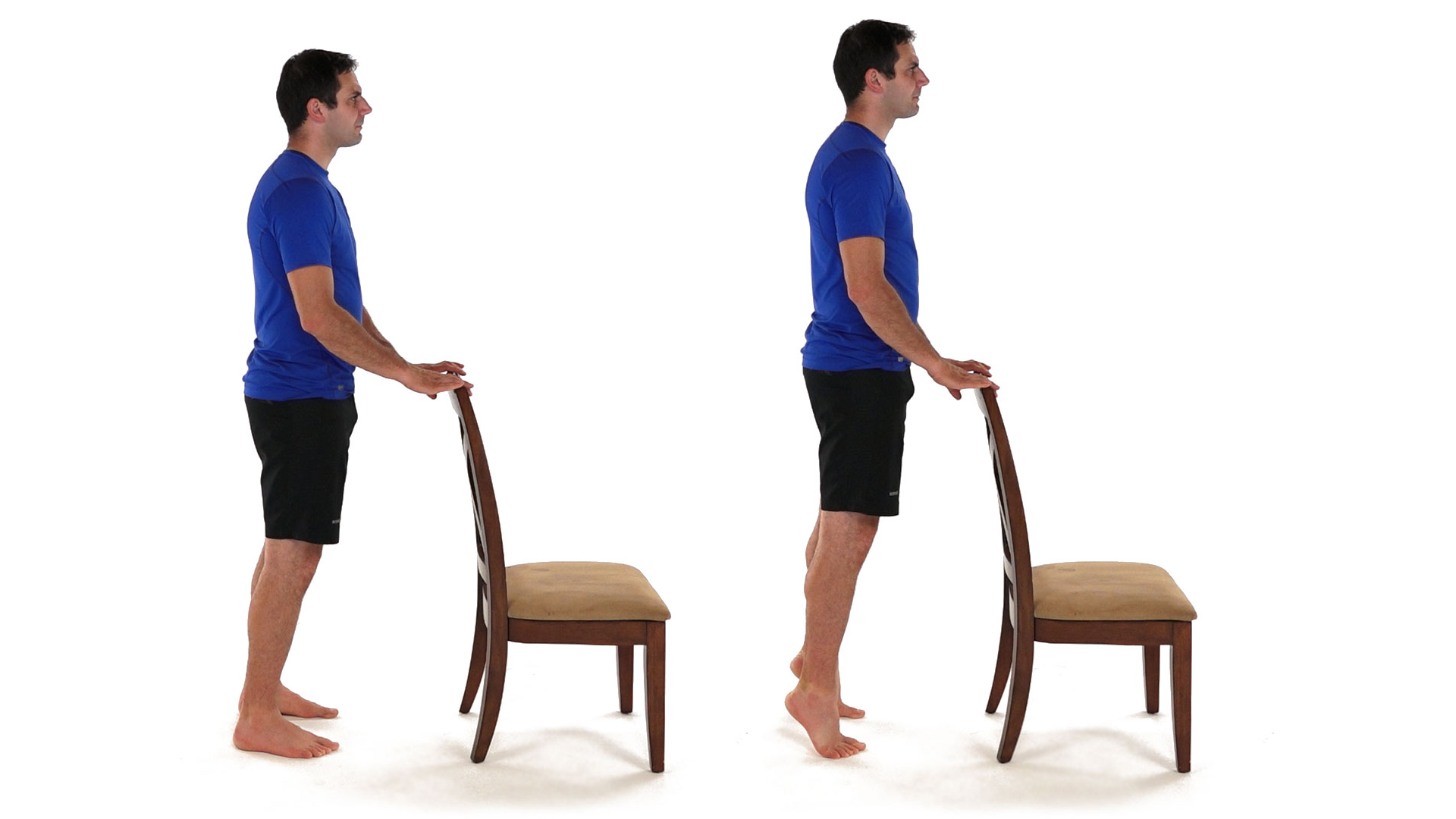
1. Heel raise
Repetitions: 10-20
Frequency: 2 times daily (morning and afternoon)
Stand on both feet and hold a chair or table for support.
Rise up onto your tiptoes, keeping your knees straight.
Lower your heels back down slowly.
Repeat.
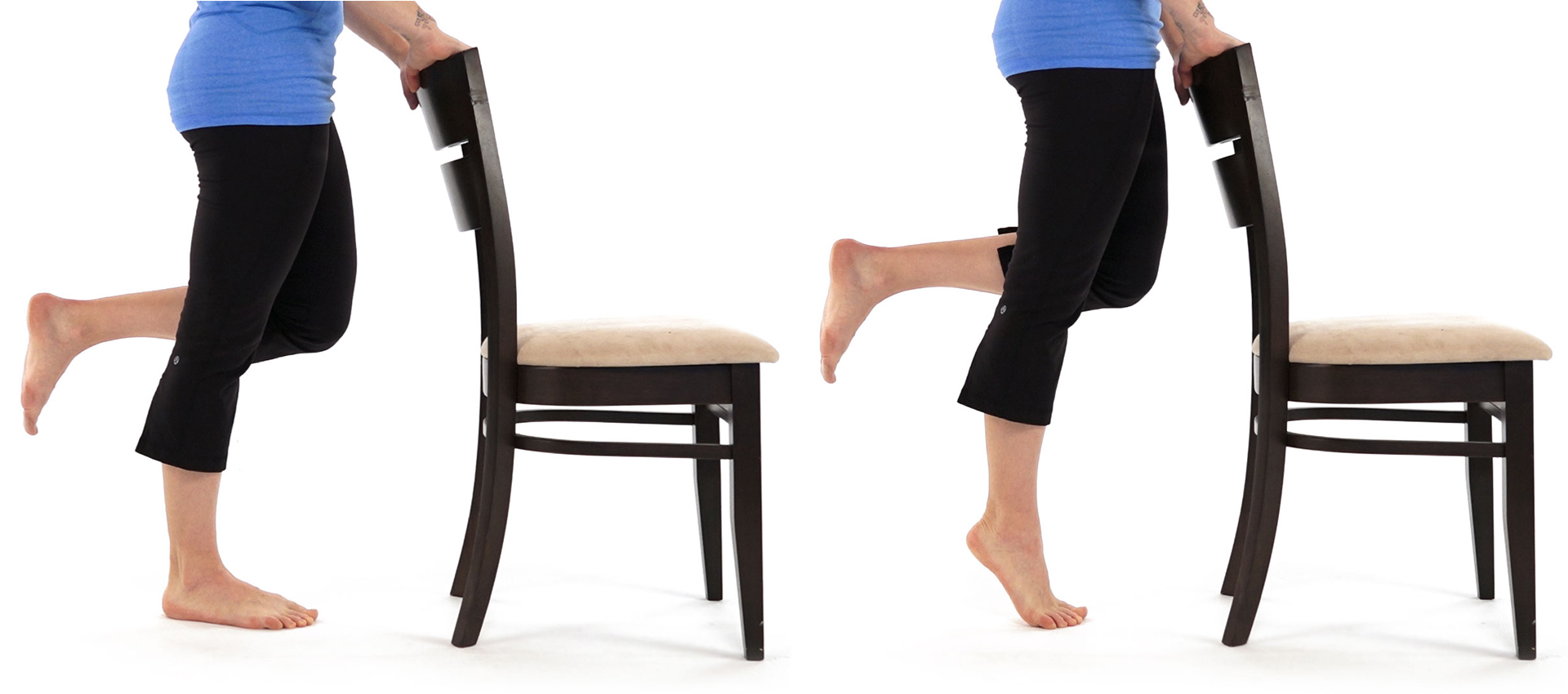
2. Single leg heel raise
Repetitions: 10-20
Frequency: 2 times daily (morning and afternoon)
Lift one leg up so you are standing on one leg while holding a chair or table for support.
Lift up onto your tiptoes, keeping your foot and ankle straight.
Lower back down slowly.
Repeat.
When to seek help
If you feel these exercises are making your symptoms worse, take a break. You can also speak to your GP for further help. This doesn’t mean it’s anything too serious. It may be that you need some extra help to deal with the symptoms, and you may be referred to a physiotherapist.
Related services
Musculoskeletal Physiotherapy Outpatients
Treatment plans to manage or improve musculoskeletal conditions, including chronic pain, recovery from surgery, and osteoarthritis.
Musculoskeletal Physiotherapy Outpatients: Go to serviceCommunity Physiotherapy Service (East Berkshire)
Support at home for housebound adults who are unable to attend clinic appointments, including a personalised rehabilitation plan.
Community Physiotherapy Service (East Berkshire): Go to serviceTalking Therapies
A free and confidential service offering effective treatment for common mental health problems such as low mood, stress or worry.
Talking Therapies: Go to service