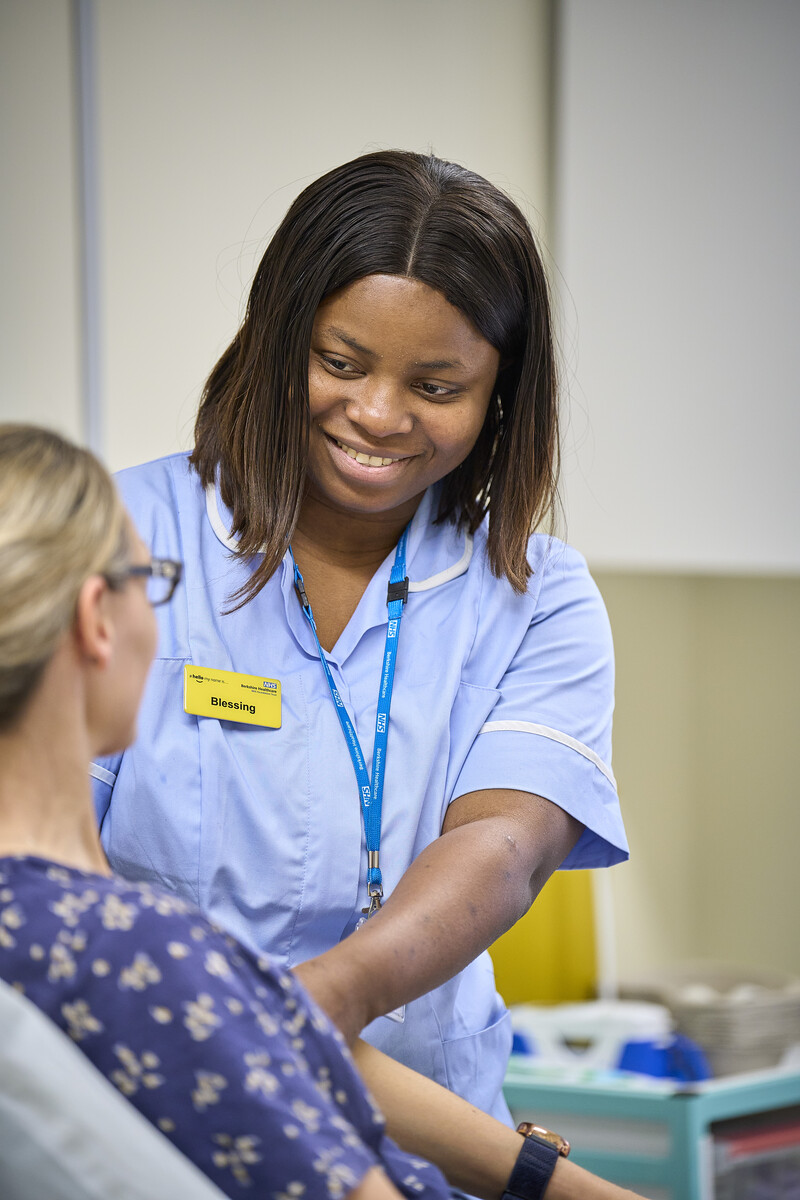

Community Learning Disability Teams

Treatment and support for adults who have a learning disability and complex physical or mental health needs that cannot be met by other local NHS services.

Go to the Community Learning Disability Teams service page: Go to service

Intensive Support Team

Community-based support for adults who have a learning disability and are at risk of admission, or are currently admitted, into a psychiatric hospital.

Go to service

Learning Disability Inpatient Service

Inpatient care for adults who have a learning disability and mental health needs or behaviour that puts them or others at significant risk of harm.

Go to service

Service for children and young people

Our CAMHS Learning Disability Service can help make sure that children and young people with a learning disability, who also have a mental health condition, can get the help and support they need.

Go to service

Service for children and young people

Our CAMHS Learning Disability Service can help make sure that children and young people with a learning disability, who also have a mental health condition, can get the help and support they need.

" "

Multidisciplinary care

Our teams have a range of healthcare professionals who have different disciplines, which means they have special knowledge about a particular area of healthcare. They work together to provide assessments, advice, and therapies to help you stay healthy and well.

You might see:

  • nurses who can help you manage your health and make decisions about it
  • dietitians who can talk to you about healthy foods and drinks
  • speech and language therapists who can improve your communication skills and help with eating or drinking problems
  • occupational therapists who can help you improve your independence by completing everyday activities
  • physiotherapists who can help improve your movement and talk to you about special equipment like wheelchairs or mobility aids
  • psychiatrists, psychologists, psychology assistants, and behaviour specialists who can help you understand and manage your emotions and improve your communication skills
  • support workers who will help you to be safe, take part in activities, and look after yourself

We also work closely with other services you are accessing, such as your GP, school, housing provider, social care, day centres, advocacy and respite services, voluntary services, and other healthcare services you are accessing.

" "

Advice and support

Cervical screening

People with a learning disability can face unique challenges when it comes to accessing and understanding cervical screening, so may need more support.

Read our advice

Constipation

People with a learning disability are at higher risk of constipation than others, and communication problems can mean it is difficult for the people who support them to spot it and get treatment.

Read our advice

Signs of deteriorating physical health

People with a learning disability may not always be able to communicate when they feel unwell, so it's vital to recognise early signs of deterioration.

Read our advice

Staying healthy during winter

Vulnerable people with health problems should take extra care to keep well as they may be more likely than others to become seriously ill.

Read our advice

Staying well in hot weather

Medication, communication problems, and health conditions can make someone with a learning disability more vulnerable to heat exhaustion and heatstroke.

Read our advice

Frequently asked questions

Frequently asked questions

What is a learning disability?

A person has a learning disability when their ability to learn new things (intelligence) and cope independently (social functioning) is reduced by a large amount compared to most other people’s abilities. Learning disabilities start before adulthood and have a lasting effect on development.

Problems with intelligence or social functioning which start later in life due to ageing, illness, or injury, are not learning disabilities.

It’s also important to know that a learning disability is not the same as a learning difficulty (like dyslexia). A learning difficulty affects specific areas of learning, but a learning disability affects overall intellectual ability.

What causes a learning disability?

A learning disability is usually caused by something that affects brain development before birth, during birth, or in early childhood. In many cases, the exact cause is unknown, but common factors can include:

  • genetic conditions, such as Down’s syndrome or Fragile X syndrome
  • illness or infections during pregnancy
  • exposure to harmful substances, like alcohol, during pregnancy
  • complications during birth that reduce oxygen to the baby’s brain
  • being born very early (premature birth)
  • serious illnesses, such as meningitis or measles, in early childhood
  • head injuries in early childhood

Conditions like cerebral palsy, epilepsy, and autism are more common in people with a learning disability.

What is specialist health support?

Specialist health support is care that cannot be provided by mainstream health services because extra skills, knowledge, or equipment are needed to give the right help.

What are the signs that a person with a learning disability is constipated?

Common signs of constipation include not eating much or at all, frequently touching their anus, or signs of streaking on underwear or pads.

People with a learning disability are at higher risk of constipation and if left untreated it can cause serious problems.

Ctas Web 25 Neurodiversity CTA

iWantGreatCare

Did you get great care? Having your say helps care for everyone, so please give us your feedback

Share your feedback: Have your say

External support

Visit your local council's website to find out about support they provide for adults with a learning disability.

Bracknell Forest Council

Go to website

Reading Borough Council

Go to website

Royal Borough of Windsor and Maidenhead

Go to website

Slough Borough Council

Go to website

West Berkshire Council

Go to website

Wokingham Borough Council

Go to website