
Community Learning Disability Teams

Treatment and support for adults with a learning disability and complex health needs that can't be met by other local NHS services.

Go to the Community Learning Disability Teams service page: Go to service

Intensive Support Team

Community-based support for adults who have a learning disability and are at risk of admission, or are currently admitted, into hospital for mental health care.

Go to service

Learning Disability Inpatient Service

Care for adults who have a learning disability and mental health needs or behaviour that puts them or others at major risk of harm.

Go to service

Service for children and young people

Our CAMHS Learning Disability Service helps children and young people who have a learning disability and mental health needs.

Go to service

Multidisciplinary care

Our teams are made up of a range of healthcare workers who have special knowledge about different subjects. They work together to provide assessments, advice, and therapies to help you stay healthy and well.

You might see:

  • nurses – help with health and choices about it
  • dietitians – talk about food and drink
  • speech and language therapists – help with talking and eating
  • occupational therapists – help you to do things for yourself
  • physiotherapists – help with movement and equipment like wheelchairs or walking sticks
  • psychiatrists, psychologists, psychology assistants, or behaviour specialists – help with feelings and behaviour
  • support workers – help with daily life and staying safe

We also work closely with other services you are accessing, such as your GP, school, housing provider, social care, day centres, advocacy and respite services, voluntary services, and other healthcare services you use.

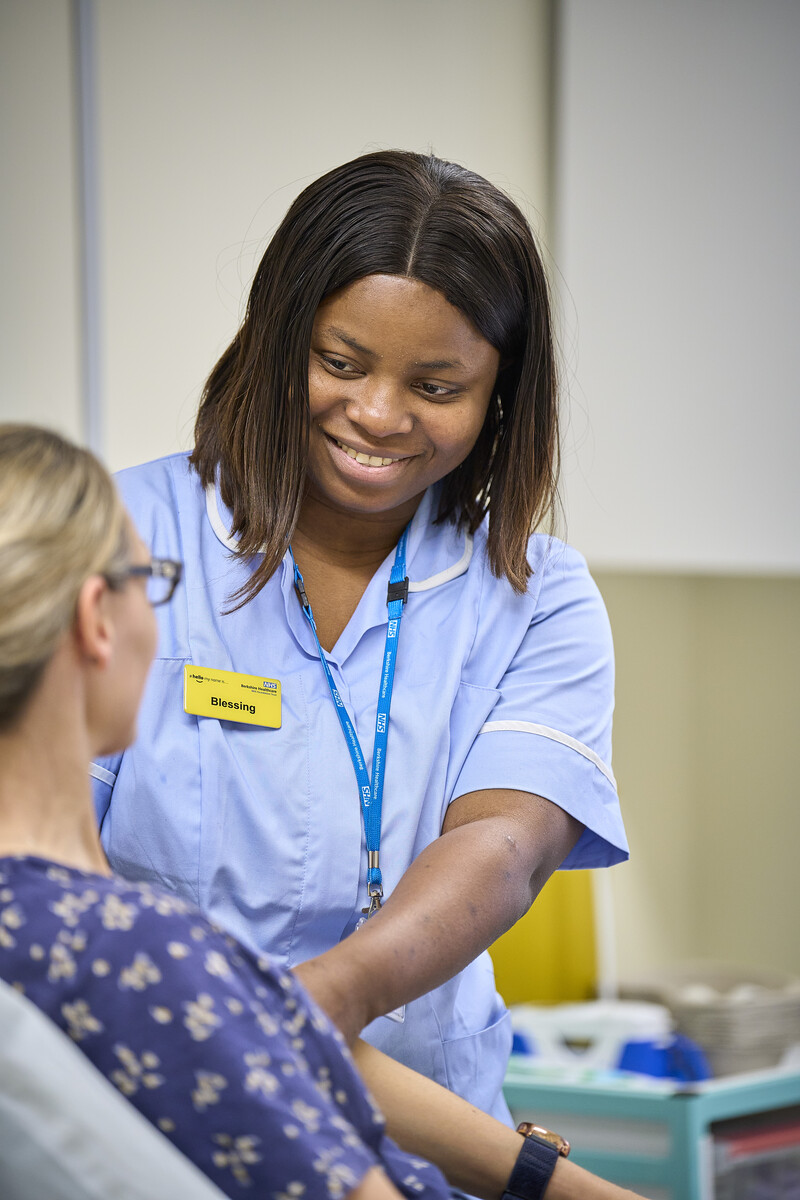
A Black ward nurse at St Marks, smiling at a patient sitting upright on a bed

Advice and support

Cervical screening

People with a learning disability may need more support to access and understand cervical screening.

Read advice about cervical screening

Constipation

People with a learning disability are more likely to have problems with pooing. It can be difficult for them to express this to the people who support them.

Learn more about constipation

Signs of deteriorating physical health

People with a learning disability may not always be able to communicate when they feel unwell. Learn to recognise early signs.

Learn about signs that someone is unwell

Staying healthy during winter

Having a learning disability or health problem can make it harder to keep well and avoid serious illness in the winter.

Read advice about staying healthy during winter

Staying well in hot weather

Medication and health or communication problems can put someone with a learning disability at higher risk of heat exhaustion and heatstroke.

Read advice about staying well in hot weather

Frequently asked questions

What is a learning disability?

A learning disability means someone finds it much harder than others to learn new things, understand complex information, and look after themselves. It starts in childhood and lasts for life.

It is different from:

  • learning difficulties, like dyslexia, which affect one type of learning
  • problems with thinking or independence which start later in life due to ageing, illness, or injury
What causes a learning disability?

A learning disability is usually caused by something that affects brain development before birth, during birth, or in early childhood.

Many causes are possible. Common ones are:

  • genetic conditions (for example, Down’s syndrome)
  • problems before or during birth
  • being born very early
  • serious illness or head injury in early childhood

Sometimes, we do not know the exact cause.

Conditions like cerebral palsy, epilepsy, and autism are more common in people with a learning disability, but they are not causes.

What is specialist health support?

Specialist health support is care that cannot be provided by standard health services. This is because extra skills, knowledge, or equipment are needed to give the right help.

What are the signs that a person with a learning disability is constipated?

Common signs of constipation include:

  • not eating much or at all
  • touching their bum a lot
  • poo on underwear or pads

People with a learning disability are at higher risk of constipation.  If left untreated, it can cause serious problems.

People holding together colourful cogs

iWantGreatCare

Did you get great care? Having your say helps care for everyone, so please give us your feedback

Share your feedback: Have your say

External support

Visit your local council's website to find out about support they provide for adults with a learning disability.

Bracknell Forest Council

Go to website

Reading Borough Council

Go to website

Royal Borough of Windsor and Maidenhead

Go to website

Slough Borough Council

Go to website

West Berkshire Council

Go to website

Wokingham Borough Council

Go to website