

Prevention tips
Keeping children safe is everyone’s responsibility. Learn how to prevent accidents and protect little ones by visiting the Child Accident Prevention Trust website. You can also explore resources on The Royal Society for the Prevention of Accidents (RoSPA).
If your child has had an accident and needs medical attention, please contact NHS 111, or call 999 in life-threatening emergencies.
Below, you’ll find common risks to children and tips to help you keep them safe.
Burns and scalds
A baby's skin is 15 times thinner than an adult's so it's very easy for them to get badly hurt. Young children also don't have the reflex to pull away from something that is burning them, it's something that we learn over time.
Find out why little ones are more at risk, how to prevent accidents, and what to do in an emergency.
Button batteries
If a lithium coin battery gets stuck in a child's food pipe, energy from the battery reacts with saliva to make the body create caustic soda. This can cause catastrophic internal bleeding, burn a hole in the windpipe and cause death within hours. Even batteries that seem to be 'flat' can still contain enough charge to badly hurt a child.
To keep your child safe, store all spare batteries in a sealed container out of reach. Make sure battery compartments on toys and devices are securely closed, and recycle used batteries safely so they're out of reach to children.

Choking
Each day, around 40 under-5 year olds are taken to hospital after choking or swallowing something dangerous.
Grapes are the third most common cause of death in food-related accidents. Always chop them in half lengthways and ideally into quarters. Avoid giving peanuts to children under the age of 6 too. Keep small objects out of reach and never prop a baby up with a bottle. Stay with young children while they eat and encourage older ones to sit still during meals.
Learn more about how to prevent choking and what to do in an emergency.
Accidental poisoning
Suspected poisoning is one of the most common reasons young children are taken to A&E. Medicines like painkillers and household cleaning products are the most common way for children to be poisoned, with those under the age of 5 most at risk.
Due to their inquisitive nature, little ones will explore and may try to taste these exciting looking detergent pods, brightly coloured bottles, or pretty looking tablets. To reduce the risk, keep these locked away in their original containers and supervise children at all times.
Dog bites
If your child has been bitten by a dog, it is important to clean the wound and seek medical advice. Contact NHS 111 if you are concerned about the injury, and seek urgent medical attention for severe wounds, heavy bleeding, signs of infection, or bites to the face, hands, feet or head.
Babies and young children are at greater risk of serious injury from dog bites. Never leave a child unsupervised with a dog, even a familiar family pet. Dogs should have a safe space to rest away from children, and children should be taught to be gentle and avoid disturbing dogs when they are eating, sleeping or resting.
Falls from beds and other surfaces
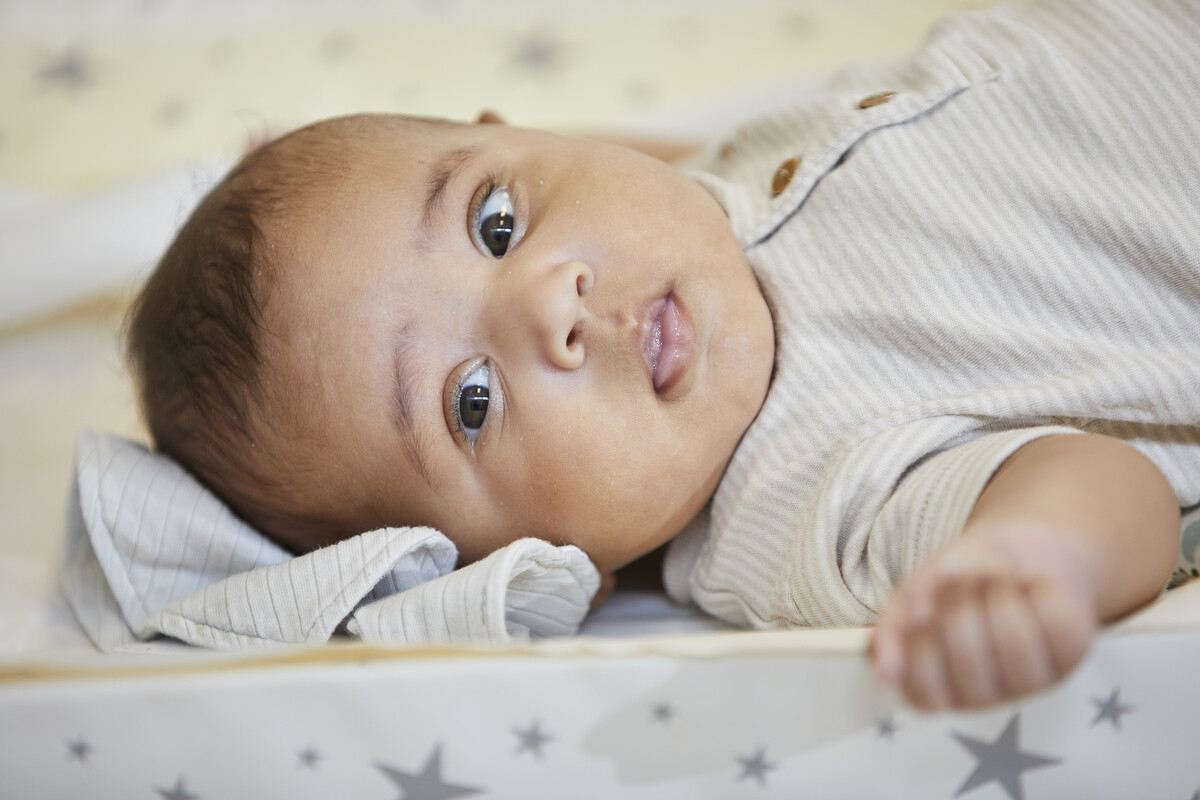
Falls from beds, sofas, changing tables and other raised surfaces are a common cause of injury in babies and young children. If your child has been assessed in A&E and discharged home, most children recover well with no lasting effects. However, it is important to monitor them closely over the next 24 to 48 hours for any signs of vomiting, unusual sleepiness, worsening headache, confusion, seizures, or changes in their behaviour, and seek urgent medical advice if these occur.
To help prevent future falls, never leave babies unattended on beds, sofas or changing tables, even for a moment. As babies become more mobile, use safety straps where provided, keep one hand on your baby during nappy changes, and place infants on the floor or in a safe cot if you need to step away.
Safe sleeping
Safe sleeping means creating a sleep environment that reduces the risk of Sudden Infant Death Syndrome (SIDS). This includes placing your baby on their back, using a firm, flat surface, and keeping the cot clear of pillows, toys, and loose bedding.
Find out more about safe sleeping practices and how to keep your baby safe.
Suffocating and strangulation
Suffocation and strangulation are serious risks for babies and young children. Loose bedding, cords, blind pulls, and items like nappy sacks can all pose dangers. Simple steps such as keeping cots clear, securing cords out of reach, and supervising play can help prevent accidents. Learn more about how to reduce these risks.
Sling safety
Learn how to keep your baby safe when using slings or swaddling. Proper positioning in a sling is important to prevent suffocation or falls, and swaddling should be done with lightweight wraps while always placing your baby on their back.
Understanding when to stop swaddling and following safety checks for slings can help reduce risks.
Sun and heat safety
Babies and young children are especially vulnerable in hot weather., so it's important to keep them cool and safe.
Never cover a pram or buggy with blankets, muslins, or anything that can stop the air circulating. This can cause dangerous overheating and increase the risk of Sudden Infant Death Syndrome (SIDS). Instead, use a clip-on sunshade or parasol. Always remember to never leave an infant in a closed, parked vehicle.
Winter safety
Keeping babies and toddlers warm in cold weather is important, but overheating can be dangerous. Dress them in layers for trips outside, remove hats and coats indoors, and check their temperature regularly. In the car, avoid thick coats or snowsuits as these can make seatbelts unsafe.
Make sure to use layers and a light blanket instead.
Water safety
Up to 60 children drown in the UK every year, and most of these deaths could be prevented.
Young children can drown in fewer than two inches of water in just 20 seconds. Babies and infants need constant supervision around baths, pools, ponds, rivers, and lakes.
Children will disappear under the surface of water and not cry out for help. Never leave babies and infants alone near water, even for a moment.
Window safety
Every day, a child under five is admitted to hospital after falling from an open window or balcony. Pre-school children are particularly at risk because they don't sense danger and are naturally curious. Sometimes parents or carers may not even aware of what they can do.
Make sure windows are kept locked and out of reach, supervise children if a window is open, and avoid placing furniture near windows that they could climb on.